
Best Marathons in Europe to Run in 2026
Planning a trip around one of the major marathons in Europe means balancing race registration deadlines, flight prices, and seasonal weather patterns. Booking the wrong race weekend can leave you fighting freezing temperatures, struggling through altitude sickness, or paying triple the normal rate for a hotel room. This guide breaks down the top running events in Europe for 2026, highlighting the best courses, local travel logistics, and connectivity tips to ensure your marathon vacation goes perfectly.
What Makes European Marathons Unique?
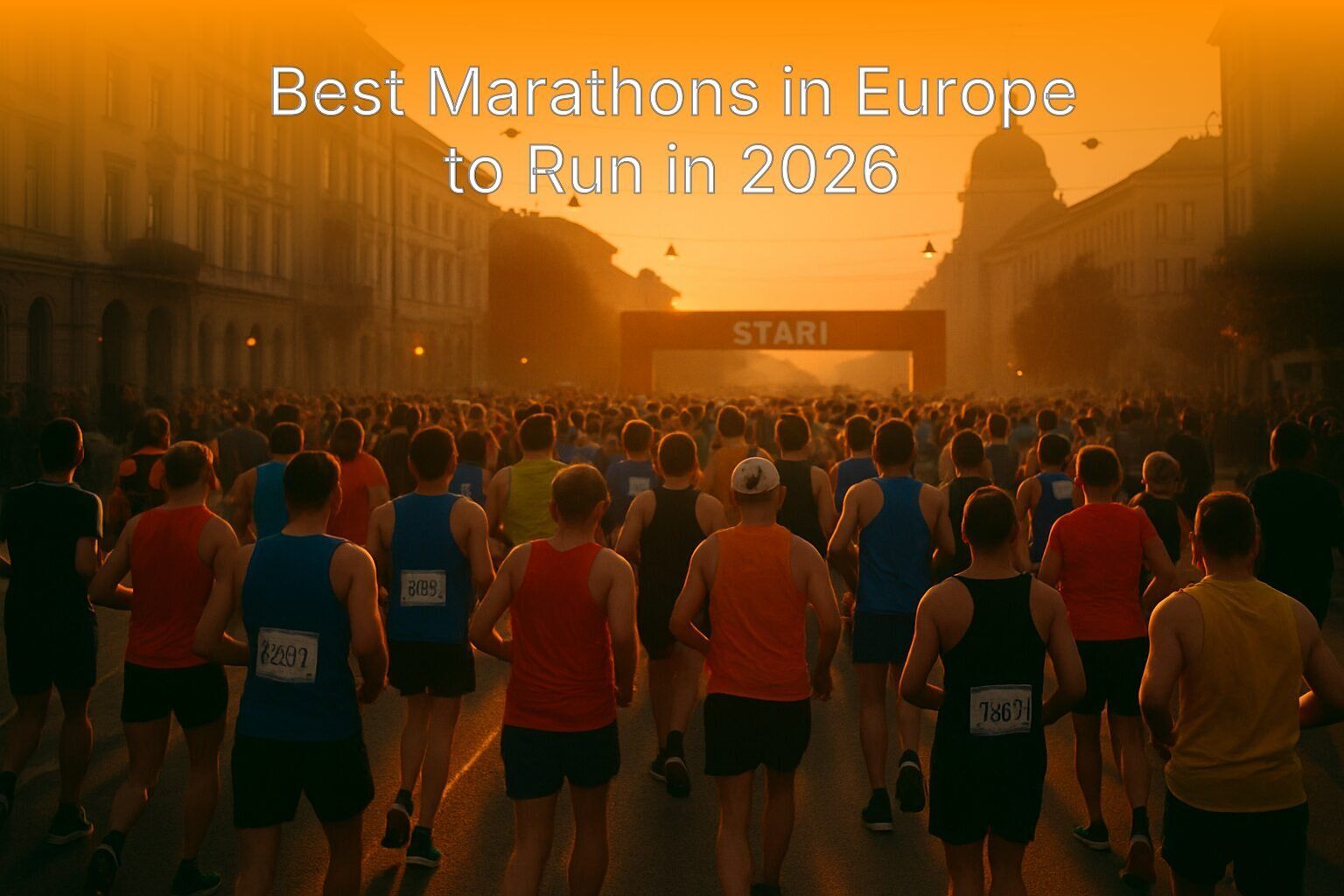
European marathons combine world-class athletic competition with deeply historic backdrops, offering runners a chance to sprint past Roman ruins, medieval castles, and modern architectural marvels. These running events draw massive international crowds and feature some of the fastest, flattest courses on the global circuit.
Running events in Europe hold a distinct charm that sets them apart from races on other continents. You are not just running 42.195 kilometers; you are running through centuries of history. The atmosphere at European marathons is heavily fueled by local culture, from the roaring crowds at the London Marathon to the rhythmic drumlines along the streets of Valencia. According to World Athletics, several of the world's fastest marathon records have been shattered on European soil, thanks to exceptionally flat elevation profiles and elite pacing.
Beyond the physical course, these events serve as massive tourism drivers. Major races often partner with local tourism boards to offer free public transport for registered runners and host massive health and fitness expos leading up to the main event. Whether you want to chase a personal best or simply want to enjoy a supported tour of a new city, the variety of marathons in Europe guarantees a perfect match for your running style.
Which Top Marathons in Europe Should You Run in 2026?
The best marathons in Europe for 2026 include the flat and fast Berlin Marathon, the historically rich Athens Marathon, the scenic Paris Marathon, and the record-breaking Valencia Marathon. Each race offers a distinct elevation profile, cultural backdrop, and crowd support level to match different runner goals.
Choosing the right race dictates your entire travel itinerary. We have broken down the top contenders for 2026 to help you weigh the pros and cons of each iconic event. For official planning context, check Japan National Tourism Organization travel guide.

Is the Berlin Marathon the Ultimate Choice for a Personal Best?
The BMW Berlin Marathon is universally recognized as one of the fastest courses in the world. The route is incredibly flat, winding past the Brandenburg Gate, the Reichstag, and the remains of the Berlin Wall. If shaving minutes off your personal record is your primary goal for 2026, Berlin should be at the top of your list. The crowd support is phenomenal, with over a million spectators lining the streets and live bands playing every few kilometers. Because it is part of the Abbott World Marathon Majors, registration is highly competitive, often requiring entry through a lottery or a charity bib.
Why Is the Paris Marathon a Bucket List Race?
The Schneider Electric Paris Marathon offers an unparalleled scenic tour of the French capital. The race begins on the iconic Champs-Élysées and takes you past the Louvre, the Eiffel Tower, and Notre-Dame before finishing near the Arc de Triomphe. While the course has a few gentle inclines, the sheer beauty of the route distracts you from the physical exertion. Runners also receive a unique finisher medal and have the opportunity to celebrate their achievement with a well-deserved pastry and coffee at a classic Parisian café. It is a spectacular choice for runners who want to blend a city vacation with a major athletic achievement.
What Makes the Athens Marathon Historically Significant?
The Athens Authentic Marathon is not just a race; it is a pilgrimage to the birthplace of the marathon. The course follows the legendary route of the messenger Pheidippides, starting in the town of Marathonas and finishing inside the historic Panathenaic Stadium in Athens. This race is physically demanding, featuring a long, steady uphill climb from the 10km to the 31km mark. The historical weight of the event makes the physical challenge deeply rewarding. Finishing inside the marble stands of the ancient stadium is an experience that simply cannot be replicated at any other modern running event.
Can the Valencia Marathon Deliver a Record-Breaking Experience?
Valencia has earned the title of the "City of Running" for good reason. The Valencia Marathon is known for its lightning-fast, completely flat course that weaves through the historic old town and the modern City of Arts and Sciences. The weather in December is typically ideal for running—cool and crisp. The local support is unmatched in Spain, with massive crowds cheering runners through every kilometer. If you want a fast course with an incredibly vibrant, festival-like atmosphere, Valencia is an exceptional choice for your 2026 race calendar.
When Is the Best Season to Run in Europe?
The optimal seasons for running events in Europe are spring (April and May) and autumn (September through November). During these windows, temperatures generally range between 10°C and 18°C, providing ideal physiological conditions for endurance running and minimizing the risk of heat exhaustion.
Timing your race dictates your entire training block and travel wardrobe. Spring races, such as the Paris Marathon held in April, offer mild weather and blooming scenery, making the miles feel much more manageable. Autumn races, like the Berlin Marathon in September and the Valencia Marathon in December, provide crisp, cool air that helps regulate your core body temperature during the grueling later miles of the race.
Summer marathons in Europe are exceedingly rare due to the extreme heat. If you attempt to train in Southern Europe during July or August, you will face temperatures regularly exceeding 30°C. Conversely, winter marathons pose the risk of freezing winds and icy patches, particularly in Northern Europe. Always check the historical weather data for your specific destination before committing to a race, and plan your travel outfits to accommodate the local climate.
What to Do Beyond the Finish Line?
Beyond the finish line, major European marathon host cities offer extensive post-race activities including traditional carb-loading food tours, historic sightseeing walks, and recovery spas. Engaging in these local events transforms a simple athletic trip into a comprehensive cultural vacation.
Running a marathon is physically exhausting, but it also makes you incredibly hungry. One of the greatest joys of marathon travel is the guilt-free indulgence in local cuisine. In Italy, runners often celebrate with massive bowls of pasta and authentic Neapolitan pizza. In Paris, you can recharge with fresh pastries and artisan coffee. In Berlin, a hearty currywurst and a cold beer are standard post-race recovery meals.
Most major races host a massive expo in the days leading up to the event. These expos are perfect for picking up last-minute running gear, attending seminars led by professional coaches, and mingling with runners from around the globe. After the race, give yourself two days to explore the city at a walking pace. Book a gentle massage, visit the major historical landmarks, and soak in the local culture without the pressure of a ticking race clock.
Where Should You Stay During Marathon Weekend?
During marathon weekend, you should stay within a 15-minute walk or a direct public transit ride from the starting line. Proximity to the start reduces race-morning stress, eliminates transportation delays, and allows you easy access to your hotel room for a post-race shower.
Hotel availability drops rapidly once a major marathon is announced, and prices can easily triple or quadruple as the event approaches. We highly recommend booking your accommodation as soon as your race entry is confirmed. Look for hotels that cater specifically to athletes by offering late checkout times and early breakfast options on race day.
If you prefer a more local experience, renting an apartment through a platform like Airbnb can be an excellent strategy. Having a kitchen allows you to cook your own pre-race meals, ensuring you have total control over your carbohydrate intake and avoiding the stress of finding a specific restaurant the night before the race. Just ensure your rental is located close to the racecourse or a major transit hub.
What Should You Pack for a European Marathon?
You should pack your proven running gear, layered travel clothing, a GPS watch, and all necessary race nutrition for a European marathon. Never race in brand new shoes or untested apparel, as chafing and blisters can easily ruin months of rigorous training.
Packing for a marathon requires a strategic approach. Lay out your race-day outfit days before your flight to ensure you have every item. Your carry-on bag should include your running shoes, race-day singlet, shorts, and GPS watch. Checked luggage gets lost frequently, and replacing specialized running gear in a foreign city the day before a race is a nightmare. For a deeper dive into organizing your luggage efficiently, check out our comprehensive guide on smart packing for travel and airport security.
Include a small medical kit with anti-chafe balm, blister pads, and basic pain relievers. Pack your pre-race nutrition—whether that is your preferred energy gels, chews, or powders—since your favorite brands might not be available at the race expo. Finally, bring a lightweight, disposable jacket to wear at the starting corral. Spring and autumn mornings can be chilly, and you will want something to keep you warm that you can discard right before the gun goes off.
How Do You Stay Connected During Your Marathon Travels?
To stay connected during marathon travels, activate an eSIM before your departure to ensure immediate mobile data access for navigation, ride-hailing, and messaging. This digital solution eliminates the need to find a physical store upon landing.
Traveling for a marathon requires flawless logistics. You need mobile data to pull up digital race bibs, navigate unfamiliar public transit systems from your hotel to the starting corral, and message friends and family waiting at the finish line. Relying on public Wi-Fi is risky, as signals are often weak or unsecured, and you cannot count on a coffee shop's router when you are trying to coordinate a pickup in a massive crowd of 40,000 runners.
Using an eSIM vs physical SIM provides a massive advantage here. You can set up your connectivity before you even leave your house. With the Yoho Mobile app, available on iOS and Android, you can choose your exact destination, data allowance, and usage duration. There are no fixed plans required, giving you the exact flexibility a traveling athlete needs. You can explore Yoho Mobile eSIM plans to find the perfect fit for your race weekend.
If you are new to this technology, you can try a free eSIM trial to see how it works before committing. And if you ever run into an emergency data shortage while traveling, Yoho Care emergency data service has you covered.
What Practical Travel Tips Ensure a Smooth Race Trip?
Practical travel tips for a smooth marathon trip include arriving at least 48 hours before the race to acclimate, memorizing the local public transit routes, and adjusting to local meal times to prevent gastrointestinal issues during the run. Proper logistical planning prevents last-minute panic.
Arriving two to three days before the race gives your body time to recover from the flight and adjust to the local climate and time zone. Use this time to attend the race expo, scout the starting line, and figure out exactly how long it takes to get from your hotel to the corral. According to Lonely Planet, understanding local public transit is the single most important logistical step for international travelers.
Be mindful of your diet in the days leading up to the event. Stick to simple, familiar carbohydrates. While exploring local cuisine is a major part of the trip, save the exotic dishes for the post-race celebration. Drink plenty of bottled water, and avoid high-fiber or overly spicy foods the night before you run. A well-executed travel plan ensures you arrive at the starting line feeling fresh, confident, and ready to conquer your European marathon.
Frequently Asked Questions
When should I register for European marathons in 2026?
You should register for major European marathons at least 6 to 12 months in advance. Elite races like the London and Berlin Marathons hold ballot entries that close almost a year before the event, while smaller races may open registration 6 months prior.
What is the best European marathon for first-timers?
The Valencia Marathon and Paris Marathon are widely considered the best European marathons for first-timers. Valencia offers a flat, fast course with exceptional crowd support, making it easy to achieve a personal best. Paris provides a scenic, mostly flat route that keeps new runners motivated.
How much does it cost to travel for a marathon in Europe?
Traveling for a marathon in Europe typically costs between $800 and $2,500, depending on your departure location and accommodation choices. This estimate includes flights, a 3-night hotel stay, race entry fees, and daily meals.
Can you run an international marathon without your phone?
Yes, you can run an international marathon without your phone if you wear a GPS watch for tracking and carry a physical bank card for purchases. But having a phone is highly recommended for navigation, contacting emergency services, and finding your friends at the crowded finish line.
What is the hardest marathon in Europe?
The Jungfrau Marathon in Switzerland is often ranked as the hardest marathon in Europe due to its massive 1,839-meter elevation gain, culminating at an altitude of 2,320 meters. The Athens Marathon is also notoriously difficult because of its historical course featuring long, gradual uphill sections.