Best Time to Visit Bratislava Slovakia
Bratislava can feel like three different trips depending on the month you arrive: a riverside café weekend, a Christmas-market city break, or a hot summer stop between Vienna and Budapest. If your dates land in the wrong weather window for your plans, castle walks can turn windy, Danube cruises can feel flat, and short daylight can compress a two-day itinerary into a rushed checklist. This guide helps you decide when to visit Bratislava based on weather, crowds, prices, events, packing needs, and the kind of trip you want.
When Is the Best Time to Visit Bratislava?
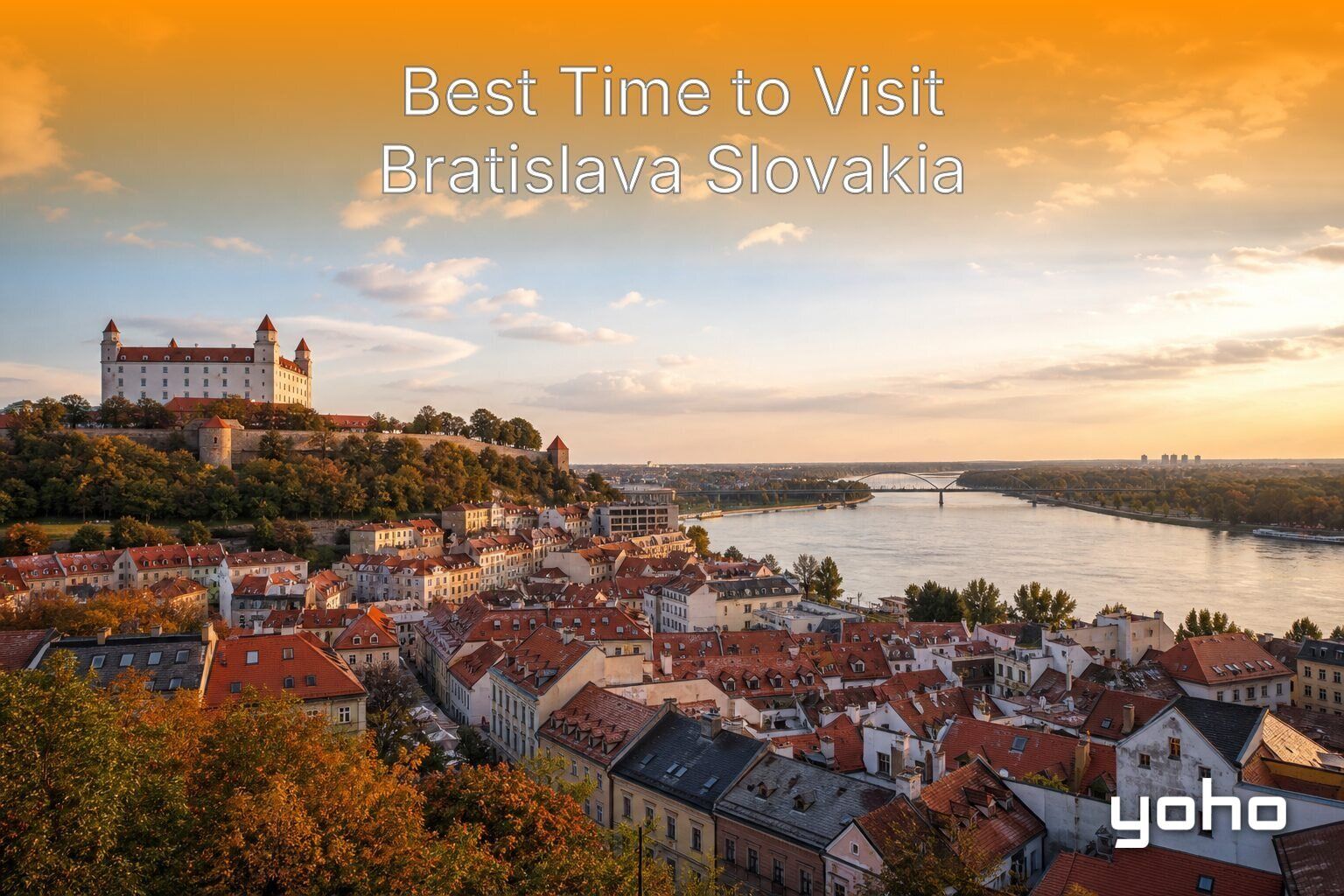
The best time to visit Bratislava is May, June, September, or early October. These months offer mild weather, outdoor dining, comfortable walking conditions, and fewer peak-summer crowds. May is the best month to visit Bratislava for most first-time travelers.
The best time of year to visit Bratislava depends on whether you value warm evenings, quiet streets, seasonal events, or lower prices. For most travelers, the shoulder seasons win: late spring and early autumn give you the city at its most flexible. You can walk from Michael’s Gate to Bratislava Castle without planning around midday heat, sit outside in the Old Town, and still have enough daylight for a Danube riverfront stroll.
May usually feels fresh and green, with temperatures often around 12°C–22°C (54°F–72°F). September stays pleasantly warm, commonly around 13°C–24°C (55°F–75°F), and the city feels calmer after the busiest holiday weeks. Early October is cooler but atmospheric, especially if you want wine bars, museums, and golden leaves in parks such as Sad Janka Kráľa.
| Travel window | Best for | Typical feel | Main trade-off |
|---|---|---|---|
| May to June | First-timers, couples, walking itineraries | Mild, green, lively | Prices rise toward June |
| July to August | Festivals, long evenings, river trips | Warm to hot, busy, energetic | Heat and higher demand |
| September to early October | Wine trips, photography, lower crowds | Warm, mellow, scenic | Cooler evenings by October |
| Late November to December | Christmas markets, short breaks | Festive, cold, compact | Short daylight and chilly weather |
If you are asking when to visit Bratislava as part of a wider Central Europe trip, align your dates with nearby Vienna, Budapest, and the Slovak countryside. The broader best time to visit Slovakia is usually May to September for outdoor travel, while Bratislava itself remains worthwhile in December because the city center is compact and festive.
What Is Bratislava Like in Spring?
Spring in Bratislava, especially April through June, is a comfortable season for sightseeing, cafés, parks, and castle walks. Expect variable early-spring weather, better daylight by May, and moderate crowds before the main summer travel period begins.
Late March to mid-June brings Bratislava back outdoors after winter. Temperatures rise from about 6°C–15°C (43°F–59°F) in late March and April to around 15°C–25°C (59°F–77°F) by June. Daylight improves quickly, from roughly 12 hours near late March to more than 15 hours close to June. Crowds are low to moderate in April, moderate in May, and busier by June. Prices are usually lower than peak summer in early spring, then move toward high-season levels.See UK government foreign travel advice.
Spring is the easiest season for walking-heavy days. You can start with Bratislava Castle before midday, descend into the Old Town for lunch, cross the Danube toward UFO Bridge viewpoints, and still have light for a relaxed evening. April can bring rain and wind, so flexible indoor backups matter: the Slovak National Gallery, the Blue Church, and coffee houses work well when the forecast shifts.
May is the practical sweet spot. Parks are green, outdoor terraces reopen fully, and the Old Town has energy without the densest summer foot traffic. If your idea of Bratislava includes slow lunches, Danube views, and casual wandering rather than strict museum timing, May may be the best month to visit Bratislava.
What should you pack for spring?
- Light jacket or trench coat for wind near the Danube
- Comfortable walking shoes for cobblestones and castle slopes
- Compact umbrella or packable rain shell
- Layered tops for cool mornings and warmer afternoons
- Sunglasses by May and June, when daylight gets noticeably longer
Spring also works well for families because temperatures are easier for children than July heat. Book central accommodation four to six weeks ahead for May weekends, especially if you want Old Town access without relying on taxis at night.
How Does Bratislava Feel in Summer?
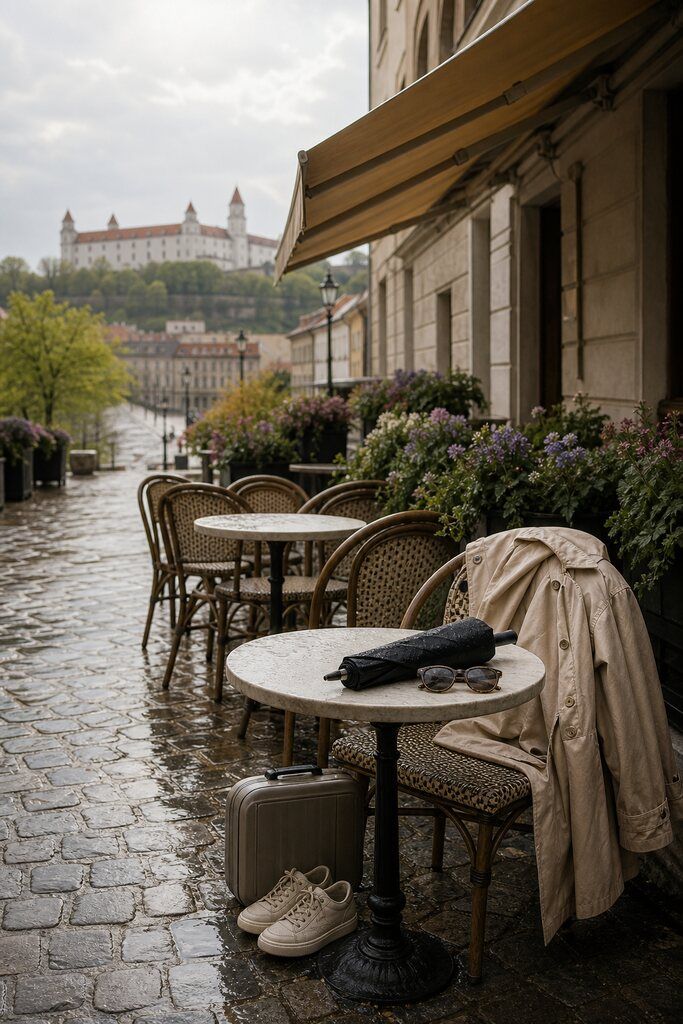
Summer is Bratislava’s warmest and liveliest season, with long daylight, busy terraces, festivals, and riverfront energy. It suits travelers who enjoy late evenings outside, but July and August can bring heat, higher room rates, and crowded central streets.
Mid-June to late August brings the most social version of Bratislava. Temperatures often sit around 18°C–30°C (64°F–86°F), with hotter spells possible in July and August. Daylight reaches about 15 to 16 hours around late June, then gradually shortens. Crowds are moderate to high, especially on weekends and during regional holiday periods. Prices usually reach their highest level of the year for central hotels and short-stay apartments.
Summer earns its popularity. You get long evenings on Hviezdoslav Square, more energy along the Danube, open-air dining, and an easy rhythm for combining Bratislava with Vienna or Budapest by train. For many visitors, the city works best as a two-night summer stop: one day for the Old Town and castle, one day for Devín Castle or a relaxed riverfront route.
The trade-off is heat. The climb to Bratislava Castle can feel exposed in the afternoon, and the most photographed lanes around the Old Town become busier by late morning. Plan outdoor sightseeing early, save museums or shaded cafés for the hottest part of the day, and leave river walks for sunset. If you are traveling with children or older relatives, choose accommodation with strong cooling and a location close to tram or bus lines.
For event planning, check the official visitor resources from Visit Bratislava, which maintains city travel information and event inspiration for visitors. Dates change from year to year, so confirm festival schedules before building a non-refundable itinerary around one weekend.
What should you pack for summer?
- Breathable clothing and a light layer for air-conditioned trains
- Refillable water bottle for walking routes
- Sun hat, sunglasses, and sunscreen
- Comfortable sandals or trainers with grip for cobblestones
- Small daypack for river walks, viewpoints, and day trips
Book summer accommodation six to eight weeks ahead if you want the Old Town, the Danube riverfront, or easy public transport access. If you are price-sensitive, late June is often a better compromise than late July or mid-August.
Why Is Autumn a Strong Time to Visit Bratislava?
Autumn is one of the best seasons for Bratislava because September stays warm, October brings wine-region atmosphere, and sightseeing becomes calmer after summer. It is ideal for couples, photographers, food-focused trips, and travelers who prefer moderate crowds.
Early September to late October gives Bratislava a slower, richer feel. September temperatures commonly range from about 13°C–24°C (55°F–75°F), while October is closer to 7°C–16°C (45°F–61°F). Daylight falls from around 13 hours in early September to about 10 hours by late October. Crowds drop from moderate to low, and prices usually ease after the summer peak, especially outside major event weekends.
September is the strongest autumn month if you want outdoor dining and reliable walking weather. The Old Town remains lively, but queues and crowds feel lighter than in July. Early October is better for atmosphere: crisp evenings, autumn colors, wine bars, and day trips toward the Small Carpathian wine towns such as Modra or Pezinok.
Autumn is also a strong answer to the broader question of the best time to visit Slovakia. You can combine Bratislava with castles, vineyards, and mountain areas before deep winter weather narrows outdoor options. Bratislava itself needs less daylight than hiking destinations, so October remains practical for culture-focused travelers.
Weather can shift quickly in late October. A sunny morning can turn into a cold, damp afternoon, and river winds are more noticeable than in September. Build your itinerary with one outdoor anchor and one indoor fallback each day. For example, pair Bratislava Castle with the Slovak National Gallery, or Devín Castle with a longer lunch indoors.
What should you pack for autumn?
- Medium jacket for October evenings
- Scarf or light knit layer for Danube wind
- Water-resistant shoes for damp days
- Smart-casual outfit for wine bars and restaurants
- Portable power bank if you use maps and camera apps heavily
If your trip is built around wine, reserve tastings or restaurant tables ahead for weekends. For a general city break, September offers the best balance of warmth, daylight, and lower stress.
Can Winter Be a Good Time to Visit Bratislava?
Winter can be a good time to visit Bratislava if you want Christmas markets, lower prices, and a compact city break. December is the standout winter month, while January and February are quieter but colder, greyer, and less suited to outdoor sightseeing.
Late November to early March is Bratislava’s cold season. Temperatures often range from about -2°C–6°C (28°F–43°F), with colder nights possible. Daylight is short, around 8 to 10 hours depending on the month. Crowds are moderate in December during Christmas market weeks, then low in January and February. Prices can be attractive after New Year, apart from special weekends and holiday dates.
December is the winter highlight. The Old Town becomes the main attraction, with market stalls, warm drinks, lights, and an easy walking loop between squares. This is one of the few winter windows when short daylight feels less limiting because the city is designed around evening atmosphere. Two nights are enough for a festive Bratislava break, especially if you are pairing it with Vienna.
January and February are more practical than romantic. You may find lower hotel rates and quiet museums, but outdoor plans need discipline. Cold wind near the Danube can make a short walk feel longer, and grey weather can flatten viewpoint photos. If you travel in this period, stay central and choose restaurants, galleries, and cafés within an easy walking radius.
Before winter travel, review official safety and entry guidance from the UK government travel advice for Slovakia, especially if you are combining multiple countries or driving in winter conditions. For public transport planning inside the city, Bratislava routes and updates are available through the official Bratislava public transport information service.
What should you pack for winter?
- Warm coat, gloves, hat, and scarf
- Water-resistant footwear with good soles
- Thermal or wool base layer for long market evenings
- Compact umbrella for sleet or cold rain
- Moisturizer and lip balm for cold, dry air
Winter works best if your expectations match the season: short walks, long meals, markets, museums, and early evenings. It is not the ideal time for travelers who want full-day outdoor exploring.
When Should You Avoid Bratislava?
Avoid Bratislava in late January and February if you want lively outdoor sightseeing, and think carefully about July and August if you dislike heat or crowds. These windows are not bad for every traveler, but they create the clearest comfort trade-offs.
The least rewarding time for many visitors is late January through February. The Christmas atmosphere has passed, daylight remains short, and the weather can be cold, damp, and grey. Attractions are quieter, which helps budget travelers, but the city’s strongest pleasures—terraces, river walks, castle views, and spontaneous wandering—are less appealing.
July and August are not months to avoid for everyone. They suit festival travelers, students, interrailers, and anyone who values long evenings more than low crowd levels. Yet they are the hardest months for slow, comfortable sightseeing. If you arrive during a hot spell, you may need to restructure the day around shade, hydration, and indoor breaks. Central accommodation can also cost more, especially if booked late.
Major event weekends can create another mini “avoid” window if your budget is tight. A small city can feel full quickly when regional visitors, weekend travelers, and events overlap. Before booking, check whether your preferred dates coincide with big concerts, public holidays, or Christmas market weekends.
If you have fixed travel dates, adjust the itinerary rather than cancel the idea. In February, choose museums, cafés, and compact routes. In August, start early and rest after lunch. In busy December weekends, stay near the Old Town so you can enjoy markets before and after peak evening crowds.
Which Month Fits Your Travel Style Best?
May fits most first-time visitors, September fits couples and food-focused travelers, December fits Christmas-market trips, and February fits budget travelers who accept cold weather. The best month depends on whether your priority is comfort, price, events, or outdoor time.
Different travelers experience Bratislava differently because the city is compact. A family pushing a stroller over cobblestones has different timing needs from a couple planning wine bars, and a budget traveler may value quiet February streets more than sunny May terraces.
| Traveler type | Best month | Why it works | Watch out for |
|---|---|---|---|
| First-time visitors | May | Comfortable weather, greenery, outdoor cafés, strong daylight | Popular weekends need earlier booking |
| Families | May or September | Milder temperatures and easier walking conditions | Bring layers for morning and evening changes |
| Couples | September or early October | Warm afternoons, wine bars, softer evening atmosphere | October nights cool quickly |
| Budget travelers | February or November | Lower demand outside festive and summer peaks | Cold weather or limited seasonal atmosphere |
| Christmas-market travelers | December | Festive Old Town, lights, compact walking routes | Short daylight and busier weekends |
| Outdoor-focused visitors | June or September | Longer days and good conditions for Devín Castle or river walks | June can become busier near summer holidays |
If you only have one weekend, choose May or September unless a specific event pulls you into another season. If you are building a longer Slovakia itinerary with mountains, castles, and wine regions, June and September usually provide the broadest travel comfort across the country.
What Should You Book and Pack Before You Go?
Book central accommodation, key restaurants, and side trips earlier for May, June, September, and December weekends. Pack by season rather than by calendar label, because Bratislava weather can shift quickly near the Danube and castle hill.
Your booking timeline should match the season. For May, June, September, and December, reserve accommodation four to eight weeks ahead if you want a central location. For July and August, book six to eight weeks ahead for better choice and cooling options. For January, February, and November, you can often find more flexibility, but weekend rates still move when events or holidays overlap.
Central location matters more than luxury in Bratislava. The Old Town, the riverfront, and areas with easy tram access save time and reduce weather stress. In winter, staying central means you can warm up between market visits. In summer, it helps you return for a midday break. In shoulder seasons, it gives you more freedom when rain appears in the forecast.
Restaurant reservations are not always required for casual meals, but they are useful for Friday and Saturday evenings in the Old Town. Book ahead if you want a specific wine bar, a river-view dinner, or a special meal during Christmas market season. For day trips, Devín Castle is easy to plan independently, while wine-region tastings may need advance contact.
Use a layered packing strategy year-round:
- Base layer: breathable tops in warm months, warmer layers in winter.
- Weather layer: rain shell in spring and autumn, insulated coat in winter.
- Footwear: comfortable shoes for cobblestones, slopes, and tram stops.
- Day bag: water, power bank, sunglasses, tissues, and a compact umbrella.
- Documents: passport, travel insurance details, and cross-border transport tickets if visiting nearby countries.
For broader trip planning habits, the Yoho Mobile guide to smart packing for travel and airport security is useful if Bratislava is one stop on a multi-country Europe route. If you are comparing transport days, the Yoho Mobile article on when to book flights can help you think through timing before fares rise.
How Should You Stay Connected in Bratislava?
Use reliable mobile data in Bratislava for maps, restaurant bookings, public transport, translation, and cross-border travel updates. An eSIM plan is convenient if your phone supports it, especially when you want flexible trip length and data control without buying a physical SIM.
Your first practical connectivity check is whether your phone supports an eSIM. An eSIM profile is a digital SIM profile stored on a compatible device, while an eSIM plan is the service you use for mobile data. If you are unsure, check the Yoho Mobile eSIM-compatible device list before you travel.
Bratislava is easy to navigate, but mobile data still matters. You may use maps to find tram stops, scan menus, translate Slovak labels, check museum hours, call a ride, or manage train changes to Vienna. If you rely on Google Maps heavily, the Yoho Mobile guide on how much data Google Maps uses can help you estimate a sensible allowance before departure.
Yoho Mobile is useful for this kind of city break because you can choose destination coverage, data amount, and usage duration independently instead of buying a fixed plan that does not match your trip. For a two- or three-day Bratislava weekend, a smaller allowance may be enough if you mostly use maps and messaging. For a longer Slovakia itinerary with hotspot sharing, video calls, and constant navigation, choose more data and more days before you leave.
Before your Bratislava trip, test setup on your own device with the free eSIM trial so you are not learning the process at the airport or train station. If your route continues through Slovakia, Austria, or Hungary and you use more data than expected, Yoho Care can help keep essential travel apps available when you need them most.
Download the Yoho Mobile app on iOS or Yoho Mobile app on Android to manage your eSIM plan. If your phone does not support eSIM, use a physical SIM or your carrier’s roaming option instead. Yoho Mobile fits best when you want trip-specific control over country choice, data amount, and validity days. You can explore Yoho Mobile eSIM plans when your dates are set.
Frequently Asked Questions
What is the best month to visit Bratislava?
May is the best month for most travelers. It gives you mild temperatures, green parks, outdoor cafés, and enough daylight for relaxed sightseeing. September is the closest alternative if you prefer warmer evenings, wine bars, and fewer summer crowds.
Is Bratislava better in spring or autumn?
Bratislava is excellent in both spring and autumn. Spring is better for fresh greenery, longer daylight, and first-time sightseeing. Autumn is better for wine-region atmosphere, softer light, cooler evenings, and a calmer pace after the summer travel rush.
Is winter a good time to visit Bratislava?
Winter is good if you specifically want Christmas markets or a low-cost city break. December is the strongest winter month because the Old Town feels festive. January and February are quieter and cheaper, but cold weather and short daylight limit outdoor sightseeing.
How many days do you need in Bratislava?
Two full days are enough for the Old Town, Bratislava Castle, the Blue Church, the Danube riverfront, cafés, and one museum. Add a third day if you want Devín Castle, a wine-region visit, or a slower pace with longer meals.
When should you avoid visiting Bratislava?
Late January and February are the weakest months if you dislike cold, grey weather. July and August can also be challenging if you dislike heat, busier streets, or higher prices. These periods can still work if your plans match the conditions.