
Best Time to Visit Amman: A Month-by-Month Travel Guide
Planning a trip to Jordan's capital means balancing ancient history with modern weather patterns. Picking the wrong month can leave you navigating steep hills in blistering heat or getting caught in sudden winter downpours, turning a dream cultural getaway into an exhausting ordeal. This guide breaks down the best time to visit Amman by analyzing seasonal weather, crowd levels, and key festivals, ensuring you experience the city at its absolute finest.
What Should Travelers Know Before Visiting Amman?
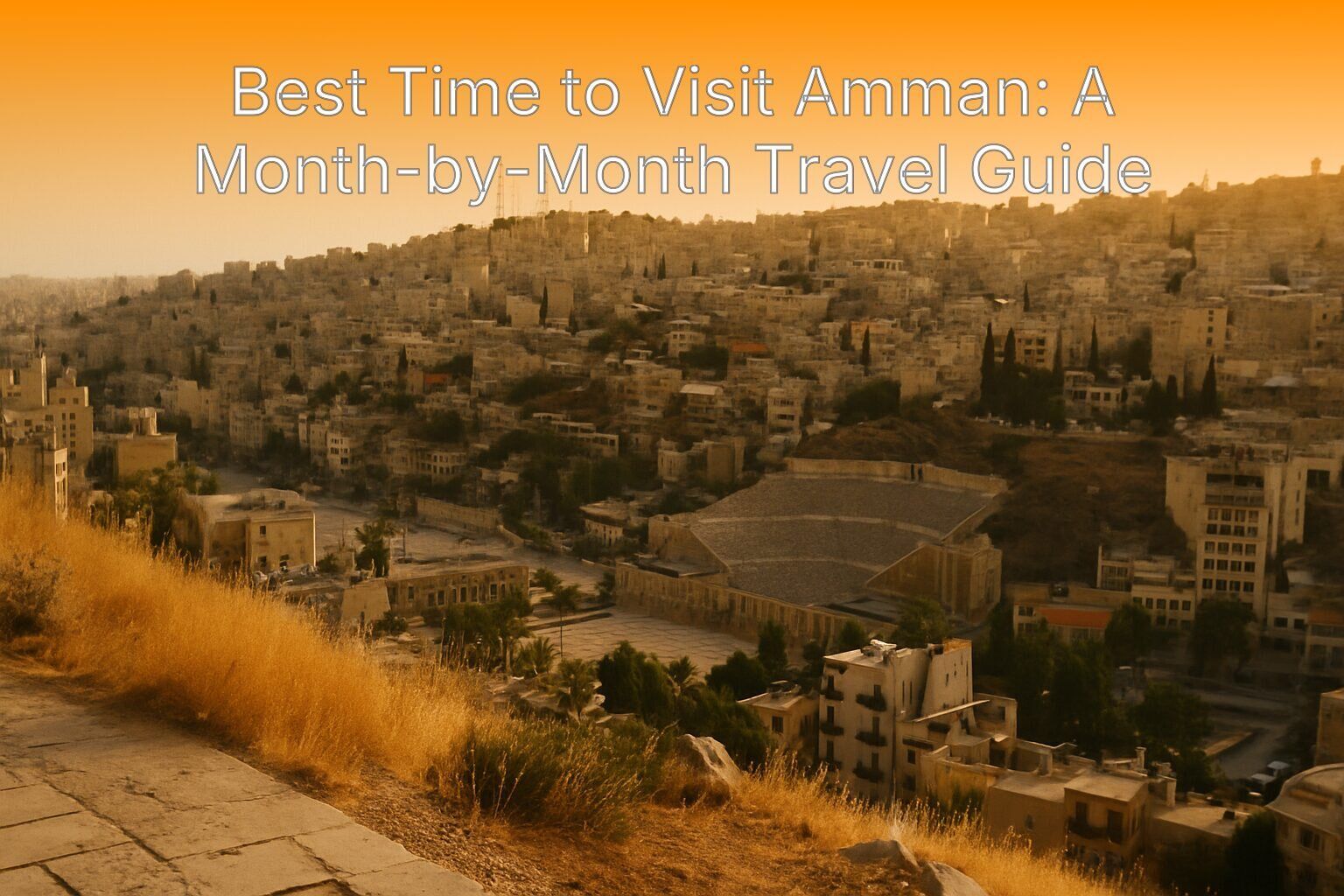
Amman is the capital and largest city of Jordan, built across a series of hills and valleys. The city blends ancient Levantine history with a rapidly modernizing infrastructure, serving as the primary gateway for international tourists exploring the country. Understanding its geography and cultural pace is essential for a smooth visit.
Amman operates on a different rhythm than many Western capitals. The city stretches across nineteen hills, meaning almost any walk involves a steep incline. The downtown area, known locally as Al-Balad, sits in a valley surrounded by older neighborhoods, while modern districts like Abdali and Sweifieh climb up the surrounding heights. This layout makes comfortable walking shoes non-negotiable.
Most international visitors arrive via Queen Alia International Airport (AMM), located about thirty kilometers south of the city center. When researching Flights from Amman (AMM), you will find it serves as a major hub for the Middle East, offering direct connections to Europe, North America, and Asia. The airport is modern and efficient, but getting from the airport to downtown requires arranging a taxi or a shuttle bus in advance.
English is widely spoken in tourist areas, hotels, and upscale restaurants, making navigation relatively easy. The local currency is the Jordanian Dinar (JOD), and cash remains king in smaller shops and local markets, even though credit cards are accepted in malls and larger venues. Tipping around ten percent at restaurants is standard practice.
When Is the Best Time to Visit Amman?
The best time to visit Amman is during the spring (March to May) and autumn (September to November) seasons. During these months, daytime temperatures range from 18°C to 26°C (64°F to 79°F), creating ideal conditions for exploring outdoor historical sites without facing the sweltering heat of summer or the unpredictable rain of winter.
Choosing the best time to visit amman jordan depends heavily on your tolerance for heat versus crowds. Spring brings lush, green landscapes to the region, especially in March and April, following the winter rains. The hills surrounding the city look vibrant, and the air is clear. This period is perfect for photography and outdoor cafe culture. For official planning context, check World Meteorological Organization climate guidance.
Autumn is equally pleasant. The extreme heat of July and August finally breaks by late September, leaving warm days and cool evenings. October is arguably the best month to visit amman if you want a comfortable climate combined with the lowest chance of rainfall.
Summer visitors will face intense heat, often exceeding 33°C (91°F). While the city remains functional thanks to widespread air conditioning, midday sightseeing becomes difficult. Winter, from December to February, brings cold temperatures, strong winds, and rain. Snow is even possible, which can temporarily halt city services but offers a unique perspective on the ancient ruins.
What Is the Weather Like in Amman by Season?
Amman experiences a Mediterranean climate characterized by hot, dry summers and cool, wet winters. Spring and autumn serve as brief but highly pleasant transitions. Because the city sits at an elevation of roughly 800 meters (2,600 feet), temperatures are always noticeably cooler than lower-lying areas like the Dead Sea or Aqaba.
Spring (March to May)
Spring is a favorite for many travelers. March begins cool, with highs around 17°C (63°F), but by May, temperatures comfortably sit near 26°C (79°F). Rain is rare by late April. Many travelers ask, is april a good time to visit jordan? The answer is a resounding yes. April offers the perfect balance of warm days, cool nights, and green countryside. Just note that Easter holidays can bring a spike in regional tourism, so booking accommodations early is smart.
Summer (June to August)
Summer is long, dry, and hot. If you are researching Amman Governorate weather in June, averages show daily highs around 30°C (86°F), escalating to 33°C (91°F) in July and August. The heat is dry rather than humid, which makes it more bearable, but sun exposure is intense. You will need to plan your sightseeing for early morning or late afternoon, retreating to indoor museums or shaded cafes during midday.
Autumn (September to November)
September remains warm, but the fierce heat of summer subsides. By October, the weather is nearly perfect, with highs around 25°C (77°F) and crisp evenings. November sees temperatures drop to around 18°C (64°F), and the first rains usually arrive late in the month. Autumn is excellent for hiking in the surrounding wadis and enjoying the outdoor cafe scene without breaking a sweat.
Winter (December to February)
Winter in Amman is cold and wet. Daytime highs hover around 12°C (54°F), but nights frequently drop to 4°C (39°F) or lower. Heavy rainstorms can last for days, and the city occasionally experiences snowfall. While this is the low season for tourism, it is a great time to experience the city like a local, enjoying hot mint tea and avoiding the long lines at major historical sites.
What Are the Top Places to Visit in Amman?
Amman offers a mix of ancient ruins, bustling markets, and modern art galleries. Key places to visit in Amman include the Amman Citadel, the Roman Theater, the Jordan Museum, and the vibrant Rainbow Street. The city serves as both a historical destination and a basecamp for exploring wider Jordan.
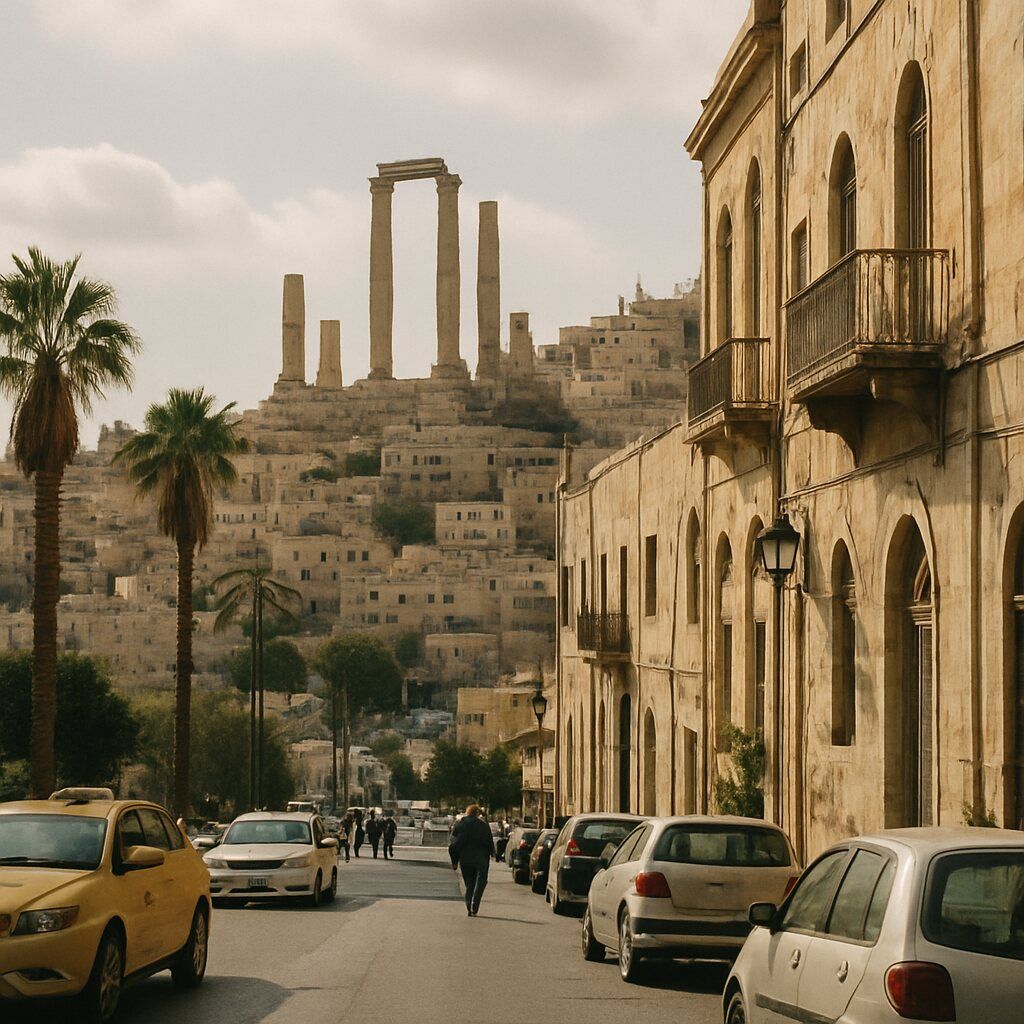
When looking at the top places to visit in amman, the historical sites dominate the itinerary. The best time to visit amman citadel is early morning, right when it opens, or an hour before sunset. The Citadel sits on one of the highest hills in the city, offering panoramic views and housing ruins from the Roman, Byzantine, and Umayyad periods, including the Temple of Hercules and the Umayyad Palace.
Down in the valley below sits the Roman Theater. Built in the 2nd century, it could once seat six thousand spectators. Today, it remains remarkably well-preserved and offers a striking backdrop for photos. Just a short walk away is the bustling Souk Al-Bukhariah, where you can buy everything from traditional spices to handmade clothing.
For a modern contrast, head to Rainbow Street in the Jabal Amman neighborhood. This area is famous for its cafes, art galleries, and nightlife. It is the perfect place to spend an evening smoking shisha, drinking Arabic coffee, and watching the city lights come alive. First-time visitors can easily plan a great trip using a weekend plan to hit all these major highlights without feeling rushed.
What Events and Festivals Are Happening in Amman?
Amman hosts several prominent cultural events throughout the year, mostly concentrated in the milder spring and autumn months. Major events include the Amman International Book Fair, the Jordan Festival, and various food and music gatherings. Timing your visit with these events adds a rich cultural layer to your trip.
Spring brings a lively atmosphere to the city. The hills are green, and the outdoor event calendar fills up quickly. One notable mention for travelers coming from South Asia is the best time to visit meenakshi amman temple, which corresponds with the Chithirai Festival in April. While this temple is located in Madurai, India, the cultural significance of April travels with the diaspora, making it a time of vibrant celebration within Amman's diverse expatriate communities.
In autumn, the city comes alive with the Amman Design Week and various local food festivals celebrating Jordanian cuisine, particularly the national dish, Mansaf. If you want to experience local music and art, check the schedules at the Jordan Tourism Board website before you travel, as event dates shift based on the lunar calendar and local holidays.
Where Should You Stay in Amman?
The best areas to stay in Amman are the downtown Al-Balad district for budget travelers and history lovers, and the Jabal Amman or Abdali areas for those seeking modern luxury and nightlife. Choosing the right neighborhood impacts how much you will rely on taxis to navigate the city's steep hills.
Staying in Al-Balad puts you within walking distance of the Roman Theater, the Nymphaeum, and the bustling gold and spice souks. This area is chaotic, loud, and deeply authentic. Hotels here tend to be smaller, boutique operations or budget-friendly hostels. The downside is the noise and the steep walks required to reach surrounding neighborhoods.
Jabal Amman, particularly around Rainbow Street, offers a trendy middle ground. You will find stylish boutique hotels, easy access to high-end dining, and a safer, quieter environment. For business travelers or those seeking five-star accommodations, the Abdali district features modern skyscrapers, luxury hotels, and upscale shopping centers. Wherever you choose to stay, booking well in advance is crucial if your trip coincides with major regional holidays.
What Should You Pack for Amman?
Packing for Amman requires preparing for significant temperature swings between day and night, regardless of the season. Essential items include comfortable walking shoes with good grip, modest clothing for visiting religious sites, and versatile layers. The city's hilly terrain and varying climate make practical packing vital.
Footwear is your most important decision. The streets are often steep, uneven, and made of slippery stone. Leave the high heels and flimsy sandals at home. Opt for sturdy walking shoes or hiking sandals with good ankle support. If you are visiting during winter, waterproof shoes are an absolute must due to sudden rainstorms.
Clothing choices should respect local customs. Jordan is a Muslim-majority country, and while Amman is relatively liberal, modest dress is appreciated, especially for women. Pack lightweight, breathable long sleeves and trousers for summer to protect against the sun, and warm, layered clothing for winter. A light scarf is versatile for covering your head when entering mosques or blocking dust on windy days. For a deeper dive into travel gear, check out our guide on smart packing for travel and airport security.
How Can You Stay Connected While Traveling in Amman?
Staying connected in Amman is easy if you prepare your mobile data before you land. Using an eSIM allows you to access maps, translation apps, and ride-hailing services immediately without searching for a physical store at the airport. Reliable internet is essential for navigating the city's winding hills.
Getting around Amman efficiently requires mobile data. You will rely on digital maps to navigate the winding, unnamed streets, and ride-hailing apps like Uber or local equivalents to avoid haggling with street taxis. Having an immediate internet connection also lets you look up historical facts on the go, translate Arabic menus, and message your hotel if you get turned around in the old downtown area.
Yoho Mobile provides flexible eSIM plans that cover Jordan and over 200 other countries. You can choose your exact destination, data allowance, and usage duration without being locked into a fixed plan. If you want to explore your options, you can explore Yoho Mobile eSIM plans to find the right fit for your trip. Download the Yoho Mobile app on iOS or Android to manage your connection directly from your phone.
If you are new to this technology, you can try a free eSIM trial to see how it works before you travel, and rest easy knowing that Yoho Care emergency data service has your back if you run into any connectivity issues on the ground.
What Practical Tips Should You Know Before Arriving?
Practical preparation for Amman includes understanding local transportation, managing your expectations regarding pedestrian infrastructure, and knowing how to handle money. The city rewards travelers who embrace its chaotic charm rather than trying to force a rigid itinerary.
Driving in Amman is an adventure. The traffic is dense, and the unwritten rules of the road can confuse visitors. If you plan to rent a car to visit places outside the city like Petra or the Dead Sea, do not drive within Amman itself. Hire a taxi or use a ride-hailing app to get to your rental agency. For more insights on navigating the region, our guide on phone compatibility while traveling offers useful tips for keeping your devices charged and connected.
When it comes to dining, step away from the hotel restaurants. Amman has a thriving culinary scene. Try Al-Quds for traditional falafel and hummus, or seek out a local establishment serving Mansaf, a rich dish of lamb cooked in fermented yogurt served over rice. Drink plenty of water, especially during the summer months, and do not underestimate the sun exposure at higher elevations.
Finally, be aware of local holidays. The holy month of Ramadan shifts annually based on the lunar calendar. Traveling during Ramadan means daytime fasting for locals, restricted food availability in public during the day, and altered business hours. It is a beautiful time to visit if you want to experience the evening Iftar feasts, but it requires flexibility and respect for local customs.
Frequently Asked Questions
What is the best month to visit Amman?
The best months to visit Amman are April, May, October, and November. During these months, daytime temperatures range from 18°C to 26°C (64°F to 79°F), making it comfortable to explore outdoor historical sites like the Amman Citadel and Roman Theater without facing the intense heat of summer or the cold, wet days of winter.
Is April a good time to visit Jordan?
Yes, April is widely considered one of the best times to visit Jordan. The weather is mild and pleasant, with average temperatures in Amman hovering around 16°C (61°F). The landscape is lush and green from the winter rains, and the tourist crowds are manageable compared to the peak autumn season.
How hot is Amman in the summer?
Amman experiences hot and dry summers, with July and August seeing average high temperatures around 33°C (91°F). Because the city sits at a high elevation, the heat is generally less oppressive than in lower-lying areas like the Dead Sea or Aqaba, and evenings often cool down to a comfortable 18°C (64°F).
Does it snow in Amman?
Yes, it can snow in Amman, though it is not an everyday winter occurrence. Due to its high elevation of roughly 800 meters (2,600 feet) above sea level, the city experiences occasional winter snowstorms, usually between December and February, which can briefly disrupt daily life but also create beautiful scenery.
What is the best time to visit the Amman Citadel?
The best time to visit the Amman Citadel is during the spring (March to May) or autumn (September to November) when the weather is mild. Arriving early in the morning or an hour before closing is ideal to avoid the midday sun and enjoy the best lighting for photographs of the ancient ruins.
Is Amman a walkable city?
Amman is partially walkable, but it requires effort. The city is built on steep hills, meaning walks between districts often involve strenuous climbs. The downtown area (Al-Balad) is best explored on foot, but traveling between neighborhoods usually requires a taxi or ride-hailing service.
How many days do you need in Amman?
Most travelers find that two to three days is sufficient to explore Amman. This allows one day for the downtown historical sites like the Roman Theater and Citadel, one day for museums and the modern districts like Rainbow Street, and a half-day for local markets and culinary exploration.