
Best Time to Visit Japan for Cherry Blossoms
Japan’s cherry blossoms reach different regions at different times, so your choice of cities determines which travel dates offer the best chance of seeing them. Relying on one fixed peak date can put your visit outside local bloom conditions, especially when weather shifts the season. This guide explains regional blossom windows, route choices for Tokyo, Kyoto, and Osaka, and practical booking and packing decisions.
When is the best time to see cherry blossoms in Japan?
Late March through mid-April is the most practical starting window for a cherry blossom trip through Tokyo, Kyoto, and Osaka. If you care about Spring in Japan: Cherry Blossom Forecast 2026, choose the regional window that matches the forecast rather than relying on one slogan month for the whole country.
The best time to travel to Japan for blossoms depends on where you plan to go. Japan stretches through several climate zones, and spring doesn’t arrive everywhere together. Southern destinations generally warm earlier, central cities follow, and northern areas enter the season later.
That geographic spread gives you two useful planning strategies. You can choose one region and accept that flowering conditions may shift, or build a route that moves in the same direction as spring. The second option offers more flexibility, but it also means more transport, hotel changes, and luggage handling.
A first visit usually works best with a central Japan route. Tokyo, Kyoto, and Osaka provide a clear mix of gardens, riverside walks, neighborhoods, food, and straightforward rail connections. Keep several outdoor periods open rather than assigning every park to one fixed morning. Rain, wind, and flowering progress can change what looks best from one day to the next.
The most photographed stage isn’t the only worthwhile one. Budding branches create a quieter atmosphere, while falling petals can cover paths and waterways. If your dates sit just outside the expected peak, your trip can still feel distinctly seasonal.
Cherry blossom timing changes across Japan
From early spring in the south to later spring in the north, Japan’s blossom season moves across the country rather than happening at once. Select your cities first, watch the regional outlook, and leave some daily flexibility for parks or nearby destinations that are progressing at different speeds.
The official Spring in Japan: Cherry Blossom Forecast 2026 is the right place to check current regional expectations. Treat a forecast as a planning tool, not a guarantee. Temperature changes can speed up or slow down flowering, and strong rain or wind can shorten the most delicate stage.
| Region | General spring pattern | Crowd tendency | Planning value |
|---|---|---|---|
| Southern Japan | Spring usually arrives earlier | Moderate to high at famous viewing areas | Useful for earlier travel dates |
| Tokyo, Kyoto, and Osaka | Main season often falls from late March into April | High during strong bloom conditions | Best for a classic first itinerary |
| Northern Japan | Flowering generally occurs later | Varies by city and holiday timing | Useful when central Japan’s season has passed |
| Mountain areas | Elevation can delay spring | Often lower away from famous sites | Adds flexibility to a regional route |
If blossoms matter more than a particular city, let timing shape your route. If Tokyo and Kyoto are non-negotiable, book around those places and view blossoms as one part of a broader trip. This distinction protects the itinerary from becoming disappointing when nature doesn’t follow the expected calendar.
Japan also has many tree varieties, microclimates, and viewing environments. A riverbank exposed to sun may progress differently from a shaded garden nearby. Checking local conditions after arrival is often more useful than repeatedly changing the entire trip before departure.
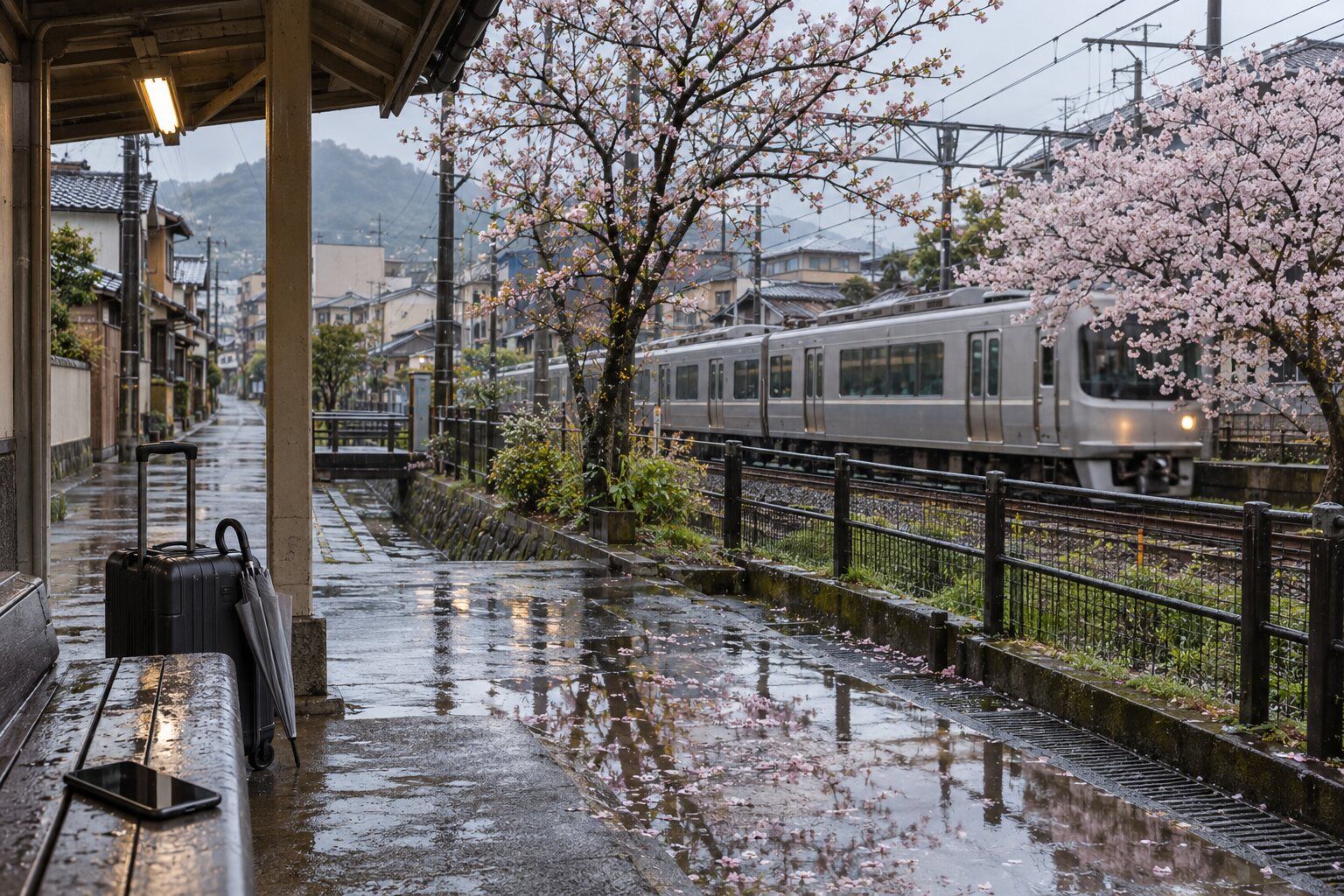
Late March through mid-April in central Japan
Late March to mid-April offers the strongest balance of blossom potential, comfortable sightseeing, and easy city combinations in central Japan. It’s also one of the busiest periods, so the trade-off is clear: you gain a classic spring atmosphere but face fuller hotels, trains, parks, and restaurants.
For many travelers, this is the best time of year to travel to Japan. Days can move between cool, mild, sunny, and damp conditions, sometimes within the same itinerary. A light waterproof layer and clothing you can combine are more useful than one heavy seasonal outfit.
Tokyo rewards flexible mornings
Tokyo works well when you treat blossom viewing as a series of short outings rather than one full-day mission. Visit a popular park early, then move into neighborhoods, museums, shops, or restaurants as paths become busier. Keep another outdoor period available later in the trip in case conditions improve.
For Tokyo in 2026, month-by-month planning should focus less on naming one perfect day and more on building alternatives. March can begin with cooler conditions and developing buds, while April may bring fuller flowering or falling petals. Exact progress depends on the season’s weather.
Kyoto needs early starts and backup areas
Kyoto’s famous temple districts and canal walks can feel crowded during the central blossom period. Staying near an area you want to visit lets you arrive before day-trippers. It also reduces the need to cross the city during the busiest part of the day.
Don’t make every Kyoto day depend on blossoms. Temples, markets, traditional streets, gardens, and nearby excursions give the schedule structure even if flowering is early or late. Reserve one flexible block for whichever area looks strongest during your stay.
Osaka adds an easier urban contrast
Osaka can balance a blossom-focused route with food districts, shopping, and evening activity. It’s practical as a base or final stop when Tokyo and Kyoto accommodation becomes expensive. The city also gives you indoor choices if spring rain interrupts an outdoor plan.
Prices are generally elevated relative to quieter seasonal periods, especially for well-located accommodation. Book rooms before refining each day. A flexible daily itinerary is valuable, but arriving without a suitable place to stay is a much harder problem to solve.
Japan from May through February
From May through February, Japan offers compelling travel conditions without the main central cherry blossom window. Late spring favors comfortable touring, summer brings heat and humidity, winter supports quieter urban travel, and northern or elevated areas may extend seasonal possibilities beyond the best-known dates.
May can be pleasant for walking and multi-city travel once the central blossom rush has ended. Landscapes remain green, and you can plan around neighborhoods, gardens, food, and cultural sites without making flowering progress the main decision. Popular domestic travel periods can still create sharp bursts of demand.
Summer requires a different pace. Heat, humidity, and rain can make long outdoor days tiring, particularly in dense cities. Build in indoor breaks, carry water, and avoid placing several exposed attractions together during the warmest part of the day. Summer can suit travelers drawn to seasonal celebrations, mountain areas, or longer daylight, but it isn’t a substitute for the spring blossom experience.
December through February can be a good time to see Japan with a winter focus. Urban areas can feel less pressured than the blossom period, while colder regions support snow-based itineraries. You’ll need warmer clothing, and daylight is shorter, so start outdoor sightseeing earlier.
Travelers often ask for the best time to go to Japan as if one season must beat every other. Spring is best for cherry blossom priorities. Winter may be better for lower crowd pressure in major cities, while late spring can be easier for a broad first visit that doesn’t depend on one natural event.
September through November for autumn color
October through November is often the most appealing alternative to blossom season for travelers who value outdoor scenery and cooler sightseeing. September can remain warm and unsettled, while later autumn usually suits walking-based itineraries better. Foliage timing still varies by latitude, elevation, and annual weather.
The best time to visit Japan in the fall depends on whether you prioritize urban sightseeing, mountain scenery, or lower prices. Early autumn may offer more availability than the most popular foliage weeks, but it can feel warmer and wetter. Later autumn brings stronger seasonal color potential alongside increased demand in famous destinations.
Autumn is not simply a quieter version of spring. Kyoto’s best-known foliage locations can become crowded, and accommodation near major viewing areas may cost more than ordinary weeks. Tokyo spreads visitors across a larger city, making it easier to combine seasonal parks with indoor activities.
Pack layers rather than assuming every destination will feel equally cool. Northern areas and high elevations change before many central cities, so a route with mountains and urban stops needs a wider clothing range. Comfortable walking shoes remain essential because seasonal scenery often involves long paths, slopes, and station transfers.
For climate context, the Japan Meteorological Agency explains Japan’s broad regional and seasonal climate patterns. Check current forecasts again close to departure, especially when your schedule includes exposed landscapes or long travel days.
Which Japan season fits your travel style?
Cherry blossom travelers should begin with late March through mid-April in central Japan, while families may prefer late spring’s simpler packing and pacing. Budget-focused visitors can compare winter or less prominent spring weeks. Autumn suits travelers who want seasonal scenery without making blossoms the entire purpose of the trip.
| Traveler type | Best-fit window | Main advantage | Main compromise |
|---|---|---|---|
| First-time visitor | Late March through mid-April | Classic spring atmosphere across major cities | Higher demand and crowded landmarks |
| Family with young children | Late spring | Easier outdoor pacing and fewer blossom-driven decisions | Main central bloom period has usually passed |
| Budget-focused traveler | Winter or shoulder periods | Better chance of finding lower-priced options | Colder weather or less seasonal color |
| Photography-focused traveler | Regional blossom or autumn window | Strong seasonal landscapes | Conditions can shift quickly |
| Heat-sensitive traveler | Spring, autumn, or winter | Avoids peak summer humidity | More layers and weather changes |
Families should also consider how many hotel changes children can handle. Chasing blossoms between distant regions may sound efficient, but repeated transfers can consume the energy you hoped to spend outdoors. One main base with a nearby day trip often feels easier.
Budget travelers gain the most by separating “Japan in spring” from “the busiest expected blossom days.” Staying outside a famous district, visiting less prominent parks, or traveling after the central rush can reduce pressure. You may see fewer peak trees, but the wider trip can still include spring gardens and pleasant walking.
If you want the best time to see Japan as a whole, pick a season that supports your main daily activity. Spring and autumn favor walking. Summer works better when you’re comfortable adapting around heat. Winter rewards travelers who pack carefully and accept shorter outdoor days.
Booking, packing, and route decisions
Book the least flexible parts of a blossom trip first: well-located accommodation, essential long-distance travel, and any limited-entry experience central to your visit. Keep parks, garden walks, and neighborhood days adjustable. Pack layers, rain protection, comfortable shoes, and a compact day bag for changing spring conditions.
Reserve the route before filling each day
Start with arrival and departure cities, then decide how many bases you can manage comfortably. Tokyo, Kyoto, and Osaka fit naturally into one central route, but adding distant regions creates more transit and less room for weather changes.
Book accommodation once the route is stable. During popular spring periods, location often matters more than extra room features. A hotel near useful rail or metro connections can save time each day and make early starts less demanding.
The official government portal for Visiting Japan points travelers toward national tourism information and planning resources. The official site of Japan National Tourism Organization is your ultimate Japan starting point for destination research across Tokyo, Kyoto, Osaka, Hiroshima, Hokkaido, and other regions.
Leave blossoms out of one full day
A balanced itinerary should include at least one day that works in rain and doesn’t depend on flowering conditions. Museums, covered shopping areas, food districts, workshops, and indoor attractions prevent the trip from feeling stalled when the weather changes.
Use your flexible outdoor periods on the clearest days. If local reports show one park progressing faster than another, swap them without rebuilding the complete itinerary. This is why advance restaurant reservations should be selective rather than filling every lunch and dinner.
Pack for temperature changes and long walks
- A light waterproof jacket for rain and wind
- Layered tops that work across cool mornings and milder afternoons
- Comfortable shoes already tested on long walking days
- A compact umbrella that fits inside your day bag
- A portable battery for maps, booking details, and translation tools
- A small reusable bag for daily essentials
Keep luggage manageable if you’re moving between cities. Large bags make stations, stairs, and crowded trains harder to navigate. A smaller suitcase and a practical day bag are usually more valuable than packing for every possible weather condition.
How can you stay connected during a Japan trip?
Arrange mobile data before departure if you’ll rely on live maps, train information, translation, or booking messages. A travel eSIM can provide mobile data without replacing a physical SIM, but your phone must support the technology and be unlocked for travel use.
Navigation matters on a flexible blossom itinerary because you may change parks or neighborhoods after checking local conditions. Before departure, review how Google Maps uses mobile data, save essential addresses, and keep hotel details available offline.
If you need mobile data across changing dates and several Japanese cities, a configurable option avoids paying for a rigid allowance that doesn’t match the trip. Yoho Mobile lets you choose Japan, your preferred data amount, and the number of days independently. You can review a Japan eSIM plan based on your actual itinerary.
If the technology is new to you, read the guide to what an eSIM card is before purchasing. Devices not compatible with eSIM still need another option, such as a physical SIM or portable Wi-Fi, and an unlocked device is essential.
Once your travel dates are clear, the Yoho Mobile app gives you a practical place to manage the selected plan. Use the Yoho Mobile app on iOS or the Yoho Mobile app on Android before departure, rather than dealing with the task while navigating an airport.
If you want to confirm that eSIM setup works on your phone before relying on it for maps in Japan, Yoho Mobile offers a free eSIM trial. A flexible blossom itinerary also makes backup connectivity useful if your data allowance runs out while you are changing routes;Yoho Care provides emergency data service for that situation. Test the trial before departure and review how Yoho Care works so you know what support is available during the trip.
Keep screenshots of essential bookings even when you have reliable mobile data. Station interiors, underground platforms, and a low phone battery can still interrupt access. Offline copies give you a simple backup for hotel addresses, rail details, and reservation confirmations.
Japan travel windows that need extra thought
Avoid building a blossom trip around one fixed peak date, arriving without accommodation during busy spring periods, or expecting every region to flower together. Summer also deserves caution if you struggle with heat and humidity. The least suitable window is the one that conflicts with your main daily activity.
A single-date blossom plan is fragile. Even a credible seasonal forecast can shift as weather develops, and flowering can progress differently across one city. Give yourself several days in the region and include more than one possible viewing area.
Major domestic holiday periods can also affect transport, hotels, attractions, and restaurants. Check the calendar before confirming your route, particularly when your visit crosses late spring, summer, or the turn of the year. Busy periods aren’t impossible, but they require earlier commitments and less spontaneous movement.
Summer is a poor fit if your ideal day means walking outside from morning to evening. Heat and humidity change how quickly you tire, so an itinerary copied from spring may become uncomfortable. Choose shorter outdoor blocks and more indoor stops, or select a cooler season.
Winter needs extra thought when gardens, long daylight, and mild evening walks are central to your expectations. It can still suit food, museums, urban neighborhoods, and snow-focused travel. It simply serves a different trip.
For most first-time blossom travelers, the clearest verdict remains late March through mid-April in Tokyo, Kyoto, and Osaka, supported by flexible days and current regional forecasts. If your dates fall elsewhere, change the route or the seasonal goal instead of forcing the classic itinerary onto conditions it can’t provide.