
Best Time to Visit Santorini: Weather, Itinerary & Packing Tips
Planning a trip to Santorini means balancing your desire for perfect weather against your tolerance for massive crowds and peak pricing. Pick the wrong month, and you will find yourself trapped in a wall-to-wall tourist jam on the narrow caldera paths, paying triple the normal rate for a room with a view, or discovering that half the island's restaurants and hotels are shuttered for the season. This guide breaks down exactly when to go, what to pack, and how to build the perfect itinerary so you can experience the magic of this Greek island without the headaches.
What Should Travelers Know Before Visiting Santorini?
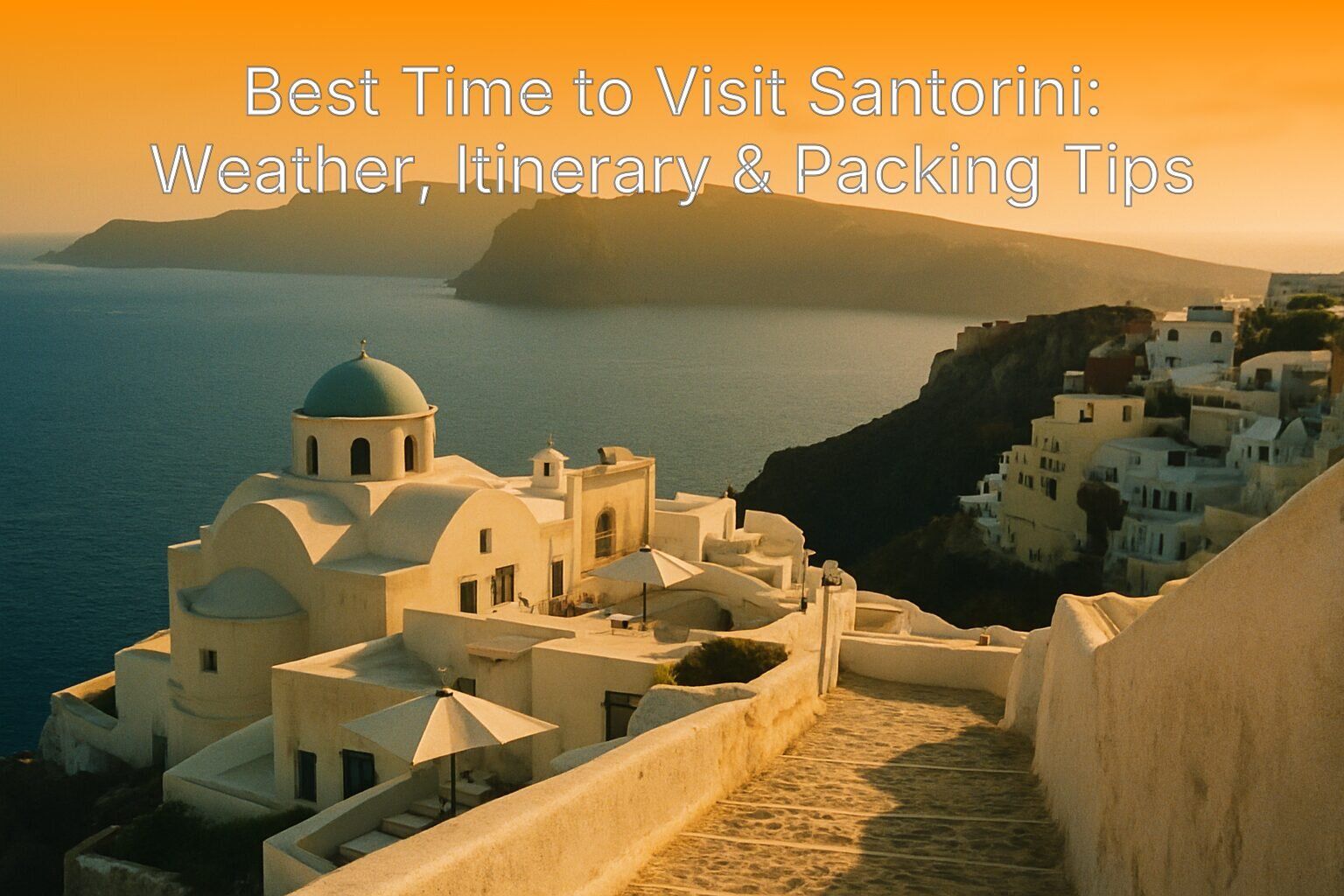
Santorini is a volcanic island in the Cyclades archipelago of Greece, renowned for its dramatic cliffs, whitewashed architecture, and blue-domed churches. The island operates on a highly seasonal tourism model, meaning the experience changes drastically depending on the month you choose to visit.
Before you start plotting your itinerary, you need to understand the basic geography and rhythm of the island. Santorini is not a massive resort destination with sprawling sandy beaches everywhere. It is the rim of a submerged volcanic crater. The western coast features the famous caldera cliffs where towns like Fira, Imerovigli, and Oia sit perched hundreds of feet above the sea. The eastern coast is flatter and home to the beach resorts, featuring unique volcanic sand in shades of red and black.
The island runs on a strict seasonal clock. From roughly November to March, Santorini enters a quiet hibernation. Many hotels, restaurants, and shops close entirely, and ferry schedules become extremely limited. The island awakens in April, ramps up to full speed by June, and operates at a fever pitch through September before winding down again in late October. Knowing this rhythm is the key to planning a successful trip.
When Is the Best Time to Visit Santorini?
The best time to visit Santorini is during the shoulder seasons: late April to early June, and September to October. During these windows, daytime temperatures range from 20°C to 25°C (68°F to 77°F), the Aegean Sea is warm enough for swimming, and the massive summer crowds have either not arrived or have already departed.
Choosing the right window depends heavily on your priorities. If you want the liveliest atmosphere, beach clubs, and guaranteed sunshine, the summer months are your target. If you prefer a quieter, more romantic experience with comfortable hiking weather, the spring and autumn months are superior. For official planning context, check World Meteorological Organization climate guidance.
- April to May (Spring): The island is incredibly green and blanketed in wildflowers. The temperatures are perfect for hiking the caldera trail from Fira to Oia without overheating. Sea temperatures might still be a bit brisk for long swims, but the sunshine is abundant.
- June to August (Summer): This is peak season. The weather is hot, sunny, and dry. You will have zero issues finding beach parties and open restaurants, but you will share the island with tens of thousands of daily cruise ship passengers. Prices for caldera-view rooms hit their highest point.
- September to October (Autumn): The water is at its warmest after baking under the summer sun all season long. The crowds thin out significantly once schools go back into session. October is a favorite among seasoned travelers for its mild weather and spectacular sunsets without the summer pressure.
For a deeper dive into how the timing of your trip impacts your experience, let us look at the weather patterns month by month. For official planning context, check Time Out travel guides.
What Is the Weather Like in Santorini by Season?
Santorini features a semi-arid climate with long, hot, dry summers and mild, wet winters. Summer temperatures frequently reach 30°C (86°F) with almost zero rainfall, while winter temperatures hover around 12°C (54°F) with occasional heavy storms. Spring and autumn offer the most balanced conditions.
Understanding the seasonal breakdown helps you pack appropriately and set realistic expectations for your daily activities. The Hellenic National Meteorological Service tracks these patterns closely, and the data clearly shows a massive swing in precipitation between the seasons.
| Season | Average High | Average Low | Rainfall | Best For |
|---|---|---|---|---|
| Spring (April - May) | 20°C (68°F) | 13°C (55°F) | Low | Sightseeing, hiking, photography |
| Summer (June - August) | 29°C (84°F) | 22°C (72°F) | Almost zero | Beaches, swimming, nightlife |
| Autumn (Sept - Oct) | 25°C (77°F) | 18°C (64°F) | Low to moderate | Swimming, wine tasting, sunsets |
| Winter (Nov - March) | 15°C (59°F) | 9°C (48°F) | High | Solitude, budget travel, local life |
Summer brings the intense heat typical of the Mediterranean. The Meltemi winds can also blow fiercely through the Cyclades during July and August. These winds provide a refreshing break from the heat but can occasionally kick up enough dust to obscure the famous sunset views and cause ferry cancellations. If you are visiting in summer, prepare for the heat by scheduling your sightseeing for the early morning or late afternoon, reserving the peak heat hours for the beach or a shaded lunch.
What Should You Book Before Visiting Santorini?
Travelers should book flights, caldera-view accommodations, and highly-rated restaurants several months in advance for summer trips. Santorini is a small island with limited premium space, and the best rooms and dining tables sell out quickly, especially for dates between June and September.
Building a solid best time to visit santorini itinerary requires you to lock in certain elements early. The island's popularity far exceeds its physical capacity during peak season. If you wait until the last minute to secure your key bookings, you will likely face inflated prices or miss out entirely.
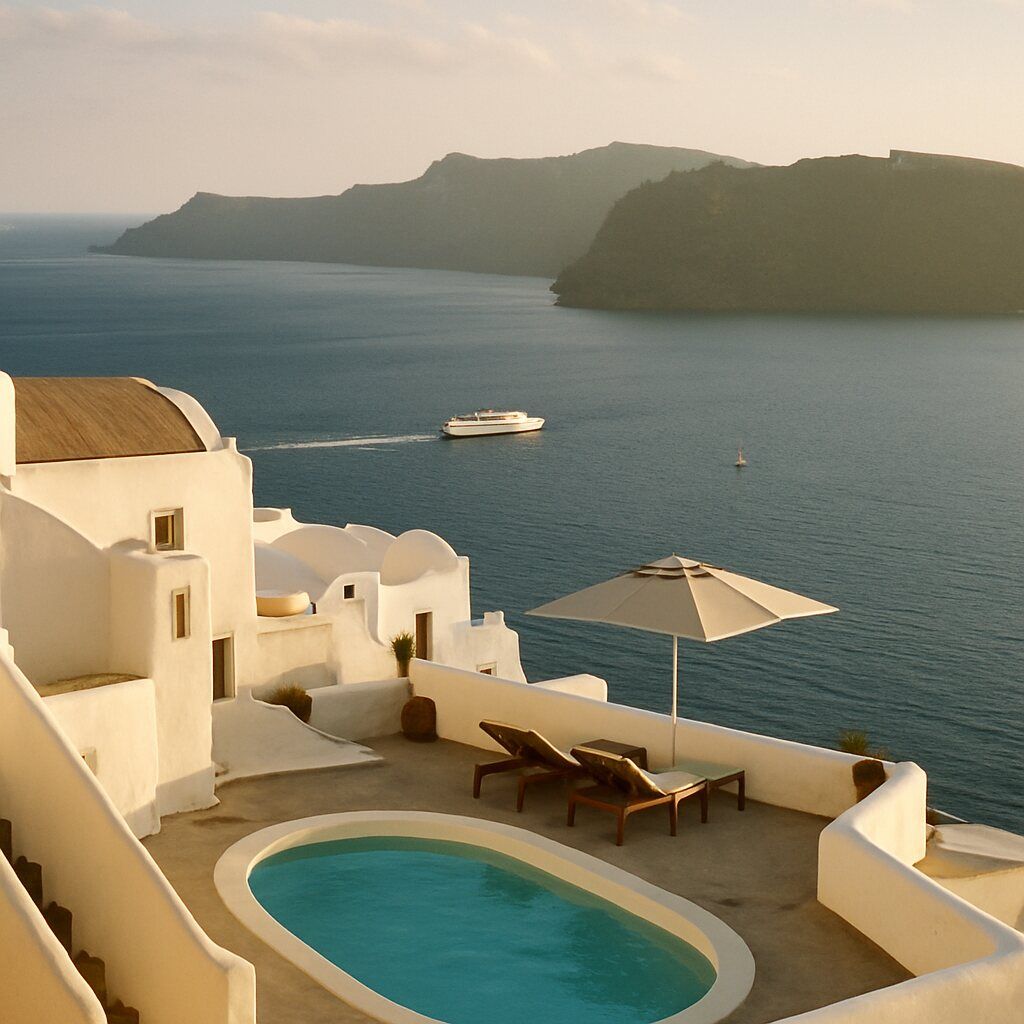
- Accommodations: The iconic cave hotels with private plunge pools and caldera views are limited. If you want to wake up to the volcano view in Oia or Imerovigli, book six to nine months in advance. If you are traveling on a budget or visiting in the shoulder season, you have much more flexibility.
- Dining: Iconic restaurants like Ambrosia in Oia or Selene in Fira are small and intimate. They book out weeks in advance during the summer. Make your reservations online before you even leave home.
- Transportation: If you plan to rent an ATV or a car, reserve it early. The supply of rental vehicles is finite, and during the peak months, you might be left relying on the public bus system or expensive taxis.
- Experiences: Whether you want a private catamaran tour, a wine-tasting excursion, or a guided historical walk, the best tour operators have limited capacity. Secure your spots online to avoid disappointment.
When you are figuring out the logistics of your trip, consider checking out our guide on the best day to book flights to potentially save money on your airfare.
What Should You Pack for Santorini?
You should pack lightweight, breathable clothing, sturdy walking shoes, high-SPF sun protection, and a versatile daypack for Santorini. The terrain is uneven, the sun is intense, and the dress code leans casually elegant in the evenings.
Following the right best time to visit santorini packing tips can make or break your comfort on the island. Santorini is not a place for high heels or heavy luggage. The streets are paved with uneven cobblestones and thousands of steps. You will want to pack smart and pack light.
- Footwear: This is the most critical packing category. Bring comfortable, closed-toe walking shoes or sturdy sandals with good grip. Do not bring high heels; you will be risking a severe ankle injury on the steep, slippery steps.
- Clothing: Think light linens and breathable cottons. During the day, shorts and swimsuits are standard. For the evening, men should pack collared shirts and lightweight trousers, while women often opt for sundresses. Many nicer restaurants enforce a smart-casual dress code.
- Sun Protection: The Mediterranean sun is unforgiving. Pack a wide-brimmed hat, UV-blocking sunglasses, and reef-safe sunscreen. A lightweight, long-sleeved linen shirt is also great for protecting your shoulders during long boat trips.
- Daypack: A secure, comfortable daypack is essential for carrying your water, sunscreen, and camera. For tips on what to keep in your daily bag, check out our guide to daypack packing.
If you want to breeze through the airport without any issues, review our comprehensive guide on smart packing for travel and airport security before you zip up your suitcase.
How Can You Stay Connected While Traveling in Santorini?
Travelers can stay connected in Santorini by activating an eSIM before they arrive. This digital solution allows you to access mobile data instantly without hunting for a local store or paying expensive roaming fees from your home carrier.
Having reliable mobile data on the island is practically mandatory. You will need it to pull up digital tickets for your boat tours, translate Greek menus, call a taxi using local ride apps, and navigate the winding, unnamed streets of the caldera villages. Dropping a pin to find your hotel among the maze of white buildings is a lifesaver when you are tired and carrying luggage. If you are planning a weekend plan on the island, every minute counts, and reliable data keeps your itinerary running smoothly.
Yoho Mobile offers flexible eSIM plans that are perfect for a Greek island getaway. You can choose your destination, select the exact amount of data you need, and set your duration without being locked into a fixed plan. If you want to explore your options, you can browse available eSIM plans on the Yoho Mobile website. To manage your connection on the go, download the Yoho Mobile app on iOS or Yoho Mobile app on Android.
If you are new to this technology, you can try an eSIM for free to see how it works before your trip. And if you ever run into an emergency while traveling, Yoho Care emergency data service has you covered.
Frequently Asked Questions
What is the absolute best month to visit Santorini?
The absolute best months to visit Santorini are late April, May, September, and October. During these months, the weather is warm and pleasant for beach activities and sightseeing, but the massive summer crowds have either not arrived yet or have already departed. You will enjoy lower accommodation rates and easier access to top restaurants and sunset viewing spots.
Is Santorini too crowded in July and August?
Yes, Santorini reaches peak crowding in July and August. The narrow caldera walkways in Oia can become heavily congested, and you may face long waits for restaurants and buses. If you must travel during these peak summer months, booking accommodations and dining reservations several months in advance is highly recommended.
Can you swim in Santorini in October?
Yes, swimming in Santorini in October is highly recommended. The Aegean Sea retains the heat accumulated over the summer, making the water comfortable for swimming well into the autumn months. The air temperature is also mild, usually hovering around 22°C (72°F), making it perfect for beach days without the intense summer heat.
How many days do you need in Santorini?
Three to five days is the ideal duration for a Santorini trip. Three days allow you to see the main villages of Fira and Oia, take a boat tour to the volcano, and relax at a unique beach. Five days give you enough time to explore hidden gems, take a wine tour, and truly unwind without rushing your itinerary.
Is Santorini expensive to visit?
Santorini can be quite expensive, especially during the peak summer months of July and August. Luxury caldera-view hotels and fine dining come at a premium. Visiting during the shoulder season (spring or autumn) significantly reduces costs for flights and lodging, making it a more budget-friendly experience.
Do I need a car to get around Santorini?
You do not strictly need a car, as the island has a public bus network connecting major villages to the central hub in Fira. That said, renting a car or an ATV provides much more flexibility to reach remote beaches, wineries, and traditional villages that the buses do not frequently service.