Best Time to Visit Lijiang, China: A Travel Guide
Planning a trip to Lijiang means balancing high-altitude weather shifts, peak tourist seasons, and traditional festival dates. Pick the wrong month and you will find yourself trapped in freezing rain, gasping for air on a mountain trail, or navigating shoulder-to-shoulder crowds through ancient cobblestone alleys. This guide breaks down the optimal travel windows, seasonal weather patterns, and cultural highlights so you can experience Yunnan Province at its absolute best.

What Makes Lijiang a Must-Visit Destination in China?
Lijiang is a UNESCO World Heritage site located in Yunnan Province, China, sitting at an elevation of 2,400 meters. The city is renowned for its well-preserved Naxi minority culture, ancient cobblestone architecture, and proximity to Jade Dragon Snow Mountain, making it a premier destination for cultural immersion and high-altitude exploration.
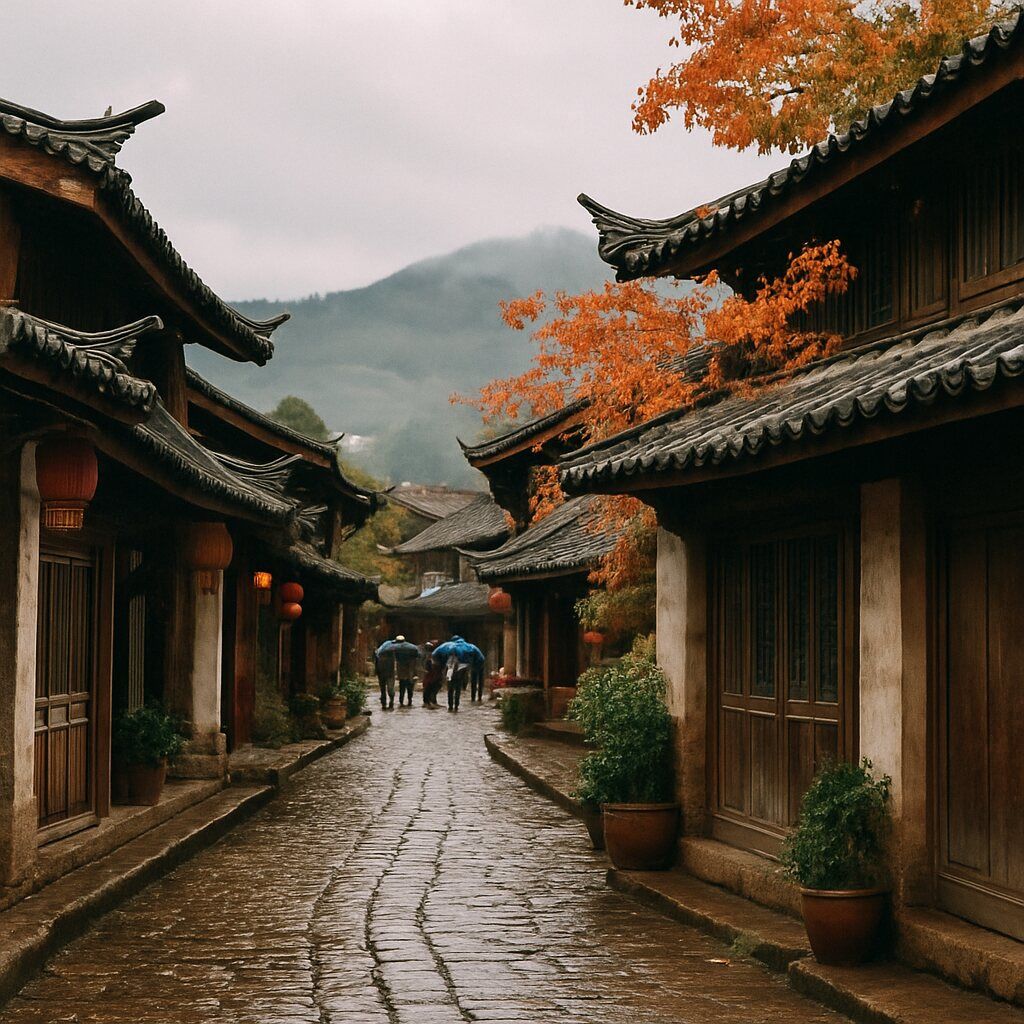
Lijiang serves as the cultural heartbeat of the Naxi people, an ethnic group famous for their unique Dongba hieroglyphic writing system and deep-rooted matriarchal traditions. Walking through Lijiang Old Town feels like stepping back several centuries. The architecture features intricate wooden carvings, flowing waterways fed by natural springs, and iconic stone bridges that have connected neighborhoods for generations. According to UNESCO, the town represents an exceptional fusion of indigenous architecture and strategic urban planning.
Beyond the city limits, the landscape transforms dramatically. The region acts as a gateway to some of China's most stunning natural wonders. Towering peaks, deep gorges, and alpine meadows define the surrounding geography. Travelers flock here to experience a blend of rich history and outdoor adventure that few other Chinese cities can match. Whether you are a history enthusiast, a photographer chasing golden-hour light, or a hiker seeking challenging trails, Lijiang delivers on all fronts.
What Is the Seasonal Weather Overview in Lijiang?
Lijiang experiences a subtropical highland climate characterized by mild summers averaging 18°C, dry winters dropping to 1°C, and a distinct rainy season from June to September. The city's high altitude ensures cool nights year-round, requiring layered clothing regardless of the season you choose for your visit.
Choosing the right season dictates your entire experience in Lijiang. The spring months of April and May offer blooming flora and comfortable daytime temperatures ranging from 15°C to 20°C. The air remains crisp, and visibility for mountain viewing is excellent. This period stands out as one of the most reliable times for outdoor activities without the interruption of heavy downpours. For official planning context, check World Meteorological Organization climate guidance.
Summer brings the monsoon. From June through August, expect frequent afternoon rains that can last for hours. Daytime temperatures hover around 18°C to 22°C, but the humidity rises significantly. The positive trade-off is the lush, vibrant green landscape. Waterfalls in the nearby gorges run at full capacity, and the surrounding valleys burst with agricultural life.
Autumn, specifically late September through November, rivals spring as the prime travel window. The rain tapers off, leaving clear blue skies and crisp mountain air. Daytime temperatures settle comfortably between 12°C and 18°C. Photographers particularly favor October, as the changing foliage paints the valleys in shades of gold and amber.
Winter runs from December to February. Nighttime temperatures frequently drop below freezing, but daytime can still reach a pleasant 10°C under clear skies. Snow blankets Jade Dragon Snow Mountain, creating postcard-perfect scenery. This season appeals to travelers who prefer fewer crowds and don't mind bundling up against the cold.
| Season | Months | Avg. Temp (Day) | Conditions | Best For |
|---|---|---|---|---|
| Spring | March - May | 15°C - 20°C | Dry, clear, breezy | Hiking, sightseeing, photography |
| Summer | June - August | 18°C - 22°C | Humid, heavy rain | Lush scenery, waterfalls |
| Autumn | September - November | 12°C - 18°C | Crisp, clear skies | Mountain views, fall foliage |
| Winter | December - February | 5°C - 10°C | Cold, dry, snowy peaks | Snow scenery, avoiding crowds |
What Are the Top Lijiang Attractions and Activities?
The top attractions in Lijiang include the UNESCO-listed Lijiang Old Town, Jade Dragon Snow Mountain, Tiger Leaping Gorge, and the Baisha Murals. Visitors can engage in activities ranging from high-altitude cable car rides and multi-day gorge treks to exploring ancient Naxi art and attending traditional music performances.
Lijiang Old Town itself is a sprawling maze of wonder. Spend hours wandering through Sifang Street, the central hub where ancient merchants once traded tea and horses along the historic Tea Horse Road. At night, the town transforms. Red lanterns illuminate the cobblestone paths, and you can hear the sounds of traditional Naxi orchestral music echoing from local venues.
A short drive from the city center brings you to Jade Dragon Snow Mountain. The mountain features a glacier park accessible by cable car, reaching an elevation of 4,506 meters. The air is thin up there, so take it slow. The base of the mountain houses Blue Moon Valley, a series of spectacular turquoise lakes that look almost surreal against the backdrop of snow-capped peaks. According to Lonely Planet, this valley alone justifies the trip for many international travelers.
Thrill-seekers should dedicate time to Tiger Leaping Gorge, one of the deepest gorges in the world. The hiking trail here offers two main options: the upper trail, which provides dramatic cliffside views and challenging terrain, and the lower road, which is more accessible but equally stunning. Most hikers complete the upper trail over two days, staying in guesthouses perched on the edge of the gorge.
For a quieter cultural experience, head to Baisha Village. This settlement predates Lijiang Old Town and houses the famous Baisha Murals, paintings created during the Ming Dynasty that blend Buddhist, Taoist, and Tibetan artistic styles. Shuhe Ancient Town offers another peaceful alternative, featuring similar architecture to Lijiang Old Town but with fewer tourists and a more relaxed atmosphere.
Which Cultural Events and Festivals Should You Experience?
The most significant cultural events in Lijiang include the Naxi Bangbang Festival, the Sanduo Festival, and the Torch Festival. These events feature traditional Naxi music, elaborate parades, and communal bonfires, offering visitors a rare opportunity to engage directly with indigenous customs and centuries-old agricultural celebrations.
The Sanduo Festival, held in February, honors the Naxi people's patron deity. Locals dress in traditional garments, gather at temples, and perform ancient rituals. The atmosphere is deeply spiritual, and visitors are welcome to observe the ceremonies. This event provides incredible insight into the Naxi worldview and their connection to the surrounding mountains.
Summer brings the Torch Festival, typically celebrated in June or July depending on the lunar calendar. This event marks the height of the agricultural season. Locals light massive bonfires in public squares, dance around the flames, and hold traditional wrestling matches. The energy is infectious. Joining the dancing around the bonfire is encouraged and serves as a highlight for many travelers visiting during the summer months.
If you visit during the Chinese National Day holiday in early October, expect massive crowds. The entire country goes on a "Golden Week" vacation, and domestic tourism surges. While the weather in October is fantastic, the sheer volume of visitors can make navigating the Old Town and securing cable car tickets for Jade Dragon Snow Mountain highly stressful. Planning your trip around this peak week is a crucial China travel tip.
Where Are the Best Areas to Stay in Lijiang?
The best areas to stay in Lijiang are the Old Town for nightlife and atmosphere, Shuhe Ancient Town for a quieter boutique experience, and the New District for modern hotels and convenient transportation access. Each area serves a different travel style, from budget backpackers to luxury seekers.
Staying directly inside Lijiang Old Town puts you at the center of the action. You step out of your guesthouse directly onto historic streets lined with cafes, bars, and shops. Accommodations here range from converted traditional courtyard homes to upscale boutique inns. The trade-off is noise. Live music venues operate late into the night, and the narrow alleys can echo considerably. If you choose to stay here, pack earplugs or request a room facing an inner courtyard.
Shuhe Ancient Town offers a middle ground. Located just a short taxi ride from the main Old Town, Shuhe provides the same historical charm but with a slower pace. The boutique hotels here often feature beautiful private gardens and personalized service. It is an ideal base for couples or travelers who want a peaceful retreat after a day of sightseeing.
The New District, located outside the ancient town boundaries, caters to travelers who prioritize modern amenities. Here you will find international chain hotels, large shopping centers, and easy access to the main bus stations. This area works well for business travelers or families who need spacious rooms and reliable high-speed internet.
What Should You Pack for a Lijiang Trip?
Packing for Lijiang requires layered clothing, high-SPF sun protection, and sturdy walking shoes due to the high altitude and uneven cobblestone terrain. The significant temperature swings between day and night make versatile, mix-and-match apparel essential for every season.
The altitude is the most critical factor in your packing strategy. At 2,400 meters, the sun feels intensely strong during the day, but temperatures plummet as soon as the sun dips below the mountains. Pack a combination of breathable t-shirts, a warm fleece or mid-layer, and a windproof outer shell. Even in the peak of summer, having a warm jacket for the evening is non-negotiable.
Footwear demands serious attention. The cobblestone streets in the Old Town are notoriously uneven, and the surrounding trails are rugged. Leave the high heels and flat fashion sneakers at home. Opt for broken-in hiking shoes or boots with solid ankle support. Blisters can quickly ruin a day of exploring or a multi-day trek through Tiger Leaping Gorge.
Other essentials include high-SPF sunscreen, a wide-brimmed hat, and quality sunglasses. The thinner atmosphere at high altitude filters less UV radiation, making sunburn a real risk even on overcast days. If you plan to ascend Jade Dragon Snow Mountain, pack a heavy winter coat, gloves, and a warm beanie, as the glacier park sits above 4,500 meters and remains freezing year-round. For a deeper dive into travel gear, check out our guide on smart packing for travel and airport security.
How Do You Stay Connected While Traveling in Lijiang?
Staying connected in Lijiang requires reliable mobile data for navigating the Old Town's maze-like streets, translating Naxi menus, and booking mountain cable car tickets. Using an eSIM allows you to access local networks instantly without swapping a physical SIM card.
Modern travel in China relies heavily on your smartphone. You need mobile data to use digital maps for navigating the winding alleys of the Old Town, translation apps for communicating with local vendors, and ride-hailing platforms like Didi for getting around the region. Booking tickets to attractions like Jade Dragon Snow Mountain in advance through WeChat or local platforms often saves hours of waiting in line.
Yoho Mobile offers flexible eSIM plans for China that let you choose exactly the amount of data and duration you need. You can explore the available options and get connected immediately by visiting the Yoho Mobile China eSIM page. Download the Yoho Mobile app for iOS or Yoho Mobile app for Android to manage your eSIM plan on the go. If you are new to this technology, you can try a free eSIM trial before your trip, and travel with peace of mind knowing that Yoho Care emergency data service has your back if unexpected connectivity issues arise.
What Practical Travel Tips Should You Know Before Visiting Lijiang?
Practical travel tips for Lijiang include preparing for altitude sickness, carrying cash for small vendors, and downloading essential local apps before arrival. Understanding local transportation logistics and cultural etiquette ensures a smooth and respectful experience in this high-altitude region.
Altitude sickness affects many visitors upon arrival. Take your first day slow. Drink plenty of water, avoid heavy meals, and skip the strenuous hiking until your body adjusts. If you plan to ascend Jade Dragon Snow Mountain, consider purchasing supplemental oxygen canisters from local pharmacies beforehand. They are inexpensive and can be lifesavers if you feel lightheaded at high elevations.
While major establishments accept mobile payments, many small street food vendors and local artisans in the ancient towns still prefer cash. Carry a supply of small denomination Chinese Yuan. This makes buying snacks like chickpea jelly or fresh fruit from street carts much easier.
Transportation requires some planning. The nearest major airport is Lijiang Sanyi International Airport, located about 30 kilometers from the city center. Taxis and airport shuttles are readily available. For moving between the Old Town, Shuhe, and Baisha, local buses and ride-hailing apps work efficiently. If you plan to visit Tiger Leaping Gorge, booking a dedicated shuttle bus from Lijiang is the most straightforward approach.
Respecting local culture goes a long way. Always ask for permission before taking close-up photos of local Naxi people, especially elderly residents in traditional dress. When visiting temples or sacred sites, dress modestly and speak quietly. Learning a few basic Mandarin phrases, such as "hello" and "thank you," will earn you warm smiles and better interactions with the locals. For more ways to enhance your trip, browse our list of the best travel apps to download before you fly.
Frequently Asked Questions
What is the absolute best month to visit Lijiang?
April, May, September, and October offer the most comfortable weather for visiting Lijiang. During these months, temperatures range from 10°C to 20°C, rainfall is low, and the skies are generally clear, providing excellent conditions for exploring the Old Town and hiking Jade Dragon Snow Mountain.
Does it snow in Lijiang during the winter?
Yes, Lijiang experiences snowfall during the winter months, particularly in December and January. While the city itself sees light snow, the surrounding peaks of Jade Dragon Snow Mountain are heavily blanketed, making it an excellent time for winter scenery and photography.
Is Lijiang Old Town accessible for travelers with mobility issues?
Lijiang Old Town features cobblestone streets, uneven paths, and numerous stone bridges, which can present challenges for travelers with mobility issues. Wheelchair users will find certain areas difficult to navigate due to steps and steep alleys, though the main squares are more accessible.
How many days should you spend in Lijiang?
A well-paced trip to Lijiang requires 3 to 4 days. This allows one full day for the Old Town, one day for Jade Dragon Snow Mountain, a half-day for Tiger Leaping Gorge, and a final day for exploring surrounding villages like Baisha or Shuhe.
Do you need a guide for Tiger Leaping Gorge?
A guide is not strictly necessary for the main Tiger Leaping Gorge viewing areas, as the paths are well-marked. For multi-day trekking along the high trail, many travelers hire local guides to handle luggage and navigate the more remote sections safely.
What local foods should you try in Lijiang?
Travelers should try Naxi roast meat, chickpea jelly, and yak meat hotpot. Crossing the bridge noodles are also a regional specialty. These dishes reflect the unique culinary heritage of the Naxi people and the broader Yunnan province.