
Travel Smart: Using eSIMs to Stay Safe in Cambodia & Singapore
Use your phone as a safety tool, not just a camera, by setting up smart mobile data that keeps you connected and informed in both Cambodia and Singapore. When you plan your connectivity in advance, you avoid risky Wi-Fi, reduce stress in busy transit hubs and move confidently through new neighborhoods. If you want travel to feel safer from the moment you land, you can treat your digital setup as part of your packing list rather than a last-minute chore at the airport.
Stay connected with purpose so you can enjoy Cambodia’s temples and Singapore’s skyline without worrying about your signal or your privacy.
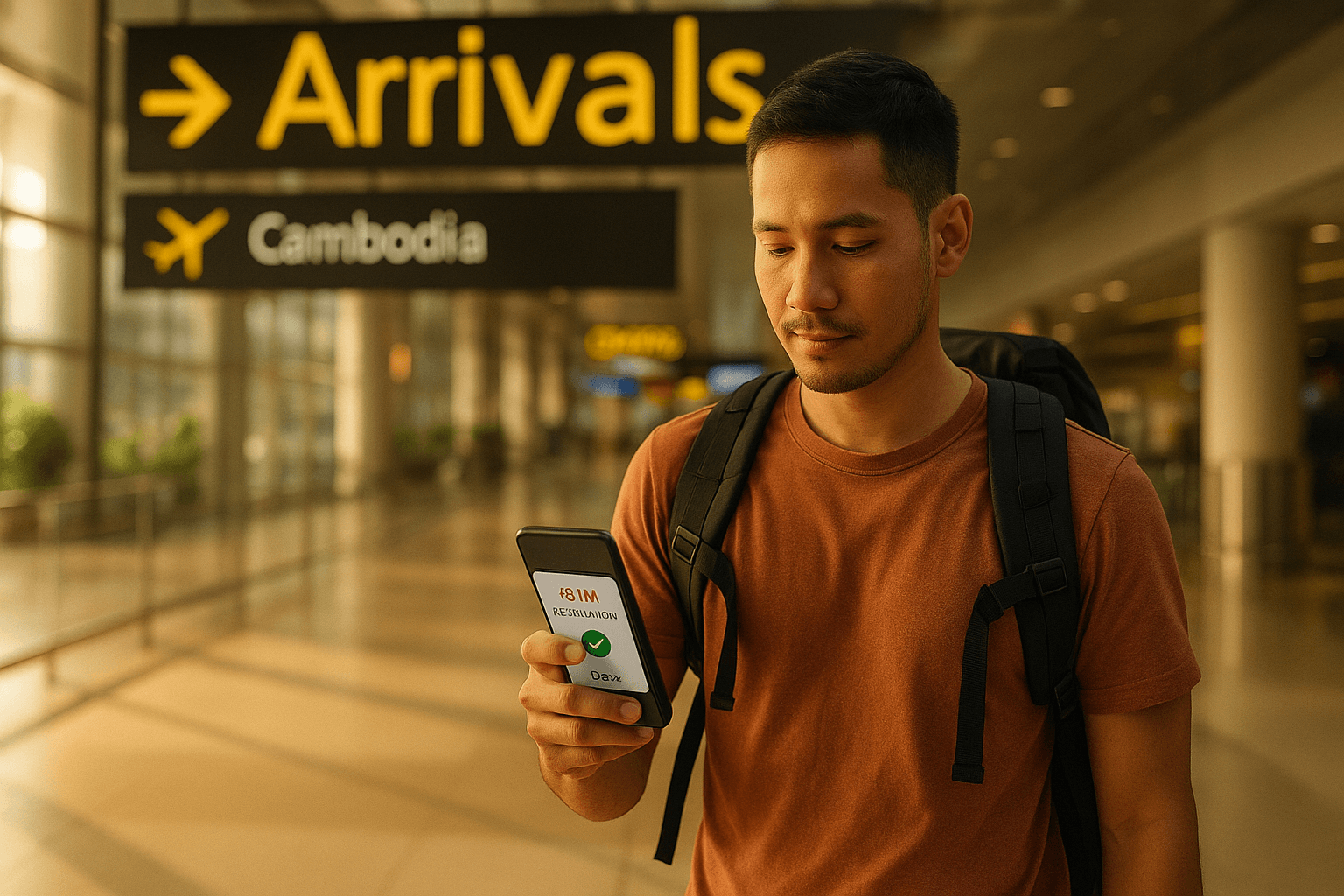
Why Connectivity Is Part of Traveling Smart in Cambodia and Singapore
Strong connectivity underpins many of your best travel safety cambodia habits: sharing your route with friends, calling a trusted driver, checking reviews before you enter a venue, and navigating safely back to your hotel at night. The same applies in Singapore, where efficient public transport and digital services work best when your phone stays online.
Understanding what is an eSIM card helps you see why your phone can be more secure than any random tourist SIM you buy at a roadside stall. Instead of swapping tiny plastic cards in a taxi or at a crowded station, you install a digital profile on your existing device, keep your main number safe and control how your cross-border data behaves.
In Cambodia, travel safety cambodia depends on more than just physical awareness. You also protect yourself by checking real-time maps before you walk, confirming fares in ride-hailing apps and using reliable messaging to stay in touch with your group. In Singapore, smart connectivity means you can follow cashless payment instructions, receive QR codes and use public transport apps without hunting for Wi-Fi.
When you travel with a reliable esim for cambodia alongside strong coverage in Singapore, you combine local knowledge with digital tools. That mix helps you with avoiding travel scams, staying oriented in unfamiliar streets and enjoying both destinations with less stress.
How eSIMs Support Safer Travel in Cambodia & Singapore
Whether you visit Angkor Wat at sunrise or explore Singapore’s hawker centers, you benefit from secure connectivity abroad that you set up on your own terms.
Here’s how an eSIM-first setup helps:
- You buy your plan from a trusted provider before you fly.
- You don’t rely on unsecured café or guesthouse Wi-Fi.
- You keep your physical SIM tucked away, lowering the risk of loss.
- You separate personal calls from your travel data line.
A dedicated esim for cambodia lets you book rides, arrange tours and check local information without using expensive roaming from your home carrier. Meanwhile, Singapore’s advanced networks give you fast, stable coverage that pairs well with cashless payments and digital passes.
Security plays a big role too. When you rely on secure connectivity abroad, you:
- Reduce how often you type passwords on shared computers.
- Avoid random “free Wi-Fi” networks that could capture your data.
- Keep your two-factor authentication apps and SMS codes working, even when you change countries.
- Stay reachable for bank alerts and airline changes.
If you like to understand the tech behind your options, you can read about industry standards from organizations such as the GSMA and then compare that with the simple overview in how Yoho Mobile works, which explains how one account manages different regional plans at once.
For creators and remote workers, a well-chosen esim for cambodia combined with strong Singapore service means your uploads, calls and backups keep moving. For casual travelers, it means you always have a map, a translator and a way to call for help in your pocket.
Step-by-Step: Setting Up a Safe eSIM for Cambodia & Singapore
To bring these ideas into action, you can follow a straightforward setup before your trip. This keeps your focus on temples and street food instead of configuration screens.
-
Confirm your phone supports eSIM
Check compatibility and security
- Open your phone’s settings and look for options like “Add eSIM” or “Add mobile plan.”
- Update your operating system and key apps, including banking and travel tools.
- Turn on a strong screen lock, biometric login and “Find My Device” features.
This foundation supports travel safety cambodia and Singapore security at the same time.
-
Map your route and data-heavy moments
Know when you can’t be offline
- List your main stops in Cambodia: Phnom Penh, Siem Reap, Sihanoukville or others.
- List your Singapore neighborhoods and transit routes.
- Mark moments when secure connectivity abroad matters most: late-night arrivals, solo walks, long bus rides, border crossings.
These points show you where an esim for cambodia and a reliable Singapore plan will carry the most weight.
-
Choose a trusted eSIM provider and plan
Balance safety, coverage and budget
- Look for clear coverage maps and data limits in both countries.
- Check reviews from travelers who used the same routes you plan.
- Make sure hotspot is allowed if you depend on your laptop.
Many travelers prefer a bundle that covers both Cambodia and Singapore so their secure connectivity abroad stays consistent as they move between them.
-
Buy and install your eSIM at home
Avoid rushed decisions on arrival
- Purchase online using a secure payment method.
- Follow the instructions to scan your QR code in your phone’s settings.
- Label the profile clearly, such as “Cambodia–Singapore data.”
Once installed, your esim for cambodia and Singapore plan is ready to activate as soon as you land.
-
Set your defaults to avoid surprises
Control roaming and network behavior
- Set your new travel profile as the default for mobile data.
- Turn off data roaming on your home SIM to help with avoiding travel scams related to surprise roaming bills.
- Keep your home number active for calls and SMS only, if needed.
This structure gives you predictable costs and reinforces travel safety cambodia practices, because you won’t hesitate to use maps or messages when you need them.
-
Test your connection on arrival
Start your trip with confidence
- After landing in Singapore, toggle airplane mode on and off, then open maps and messages.
- On arrival in Cambodia, repeat the test and check ride-hailing or taxi apps.
- If something seems slow, restart your phone or manually pick another partner network.
A quick test in each country makes sure your secure connectivity abroad works before you rely on it at night or in unfamiliar areas.
If you want a setup you can reuse for future trips, it can be worth exploring regional options on the Yoho Mobile Buy eSIM page so that Cambodia, Singapore and other nearby destinations all fit into one flexible, safety-first data plan.

On-the-Ground Safety: Cambodia
Once you land, your habits matter as much as your settings. Good connectivity strengthens travel safety cambodia when you use it deliberately.
Practical ways to use your esim for cambodia as a safety tool:
- Use ride-hailing apps where available, so prices are clear and routes are tracked.
- Check recent reviews of tuk-tuk drivers, tour operators and attractions.
- Save offline maps, but keep mobile data on for real-time directions and traffic.
- Share your live location with a trusted contact when you travel alone at night.
Secure connectivity abroad also protects your finances. Avoid using random computers for banking, and don’t rely on open Wi-Fi in guesthouses for sensitive logins. Your eSIM data line is usually safer and more private.
When you explore temples or rural areas with weak coverage, download key info in advance, but keep your esim for cambodia active. That way you can quickly reconnect in town, order transport and check health or embassy contacts if something goes wrong.
On-the-Ground Safety: Singapore
Singapore feels highly organized and safe, but smart connectivity still matters. Many singapore travel tips now assume that you have constant internet access, from QR menus to e-payments and transit apps.
Your phone can help you:
- Use official transit apps to navigate buses and MRT routes.
- Pay with digital wallets instead of carrying large amounts of cash.
- Receive real-time alerts from airlines or booking platforms.
- Back up photos and documents to the cloud while you sleep.
Because Singapore’s networks are strong, your secure connectivity abroad strategy here focuses less on coverage and more on habits. For example:
- Use trusted networks at hotels and co-working spaces; avoid unknown “free Wi-Fi” in crowded areas.
- Keep Bluetooth and AirDrop-style sharing limited to your contacts.
- Use your eSIM data line for mapping late at night instead of relying on offline memory or guesswork.
The same esim for cambodia can often be part of a regional plan that treats Singapore as another stop, so your singapore travel tips about apps and services connect naturally to what you learned in Cambodia.
Avoiding Travel Scams Linked to Connectivity
Scams adapt to how travelers actually behave. When almost every traveler uses a smartphone, avoiding travel scams increasingly means spotting digital red flags as well as street-level tricks.
Common issues to watch for:
-
SIM and top-up scams.
If someone approaches you at the airport or bus station with an “exclusive” mobile deal, step back. Your pre-installed eSIM already gives you secure connectivity abroad without sharing extra personal data. -
Fake Wi-Fi hotspots.
Networks named after airports, cafés or malls can be set up by anyone. Use your mobile data for logins and payments whenever possible, and reserve Wi-Fi for low-risk browsing. -
Phishing via SMS or messaging apps.
Be wary of messages claiming to be from your “network provider” asking you to click a link to avoid disconnection or fees. Access your account only through known apps or bookmarked websites. -
Location-based pressure.
In busy tourist areas, scammers may pressure you to book tours or transport on the spot, sometimes using their own phones or hotspots. With your own esim for cambodia or Singapore data line, you can check prices, reviews and alternatives yourself.
By combining strong connectivity with awareness, you cover both sides of avoiding travel scams: you give yourself the tools to verify information and the habits to slow down before you tap or pay.
Key Takeaways: Safe Connectivity Checklist
Before you pack your bag, you can run through this short checklist to keep travel safety cambodia and Singapore security aligned:
- Understand how eSIMs work and choose your provider ahead of time.
- Install a dedicated travel profile, such as an esim for cambodia that also supports Singapore if your itinerary needs it.
- Set your travel eSIM as the default data line and disable roaming on your home SIM.
- Prefer mobile data over unknown public Wi-Fi for banking, tickets and logins.
- Use maps, ride-hailing and reviews to support your singapore travel tips and Cambodia plans on the ground.
- Keep avoiding travel scams by ignoring suspicious links, offers and “too-good” deals around connectivity.
FAQs
Do I still need a physical SIM if I have an eSIM?
Often you don’t. Your physical SIM can stay in your phone as a backup for calls and SMS on your main number, while your eSIM handles secure connectivity abroad for data in Cambodia and Singapore.
Is an eSIM safe enough for banking and sensitive apps?
Yes, as long as you choose a reputable provider and keep your device secure. Using mobile data through an eSIM for cambodia or Singapore is usually safer than logging in over open public Wi-Fi.
How much data do I need for a week in Cambodia and Singapore?
If you mostly use maps, messaging and light browsing, 5–7 GB can work. If you upload a lot of photos or work remotely, plan for 10–15 GB to stay connected abroad without worrying.
Can I move my eSIM between phones?
Some providers allow transfers; others treat an eSIM as tied to one device. Check the rules before you switch phones, and keep a copy of your QR code and instructions in secure cloud storage.
What if my phone is lost or stolen during the trip?
Use another device to log into your account, suspend your eSIM and use “Find My Device” tools to locate or wipe your phone. Having cloud backups and a clear plan helps you focus on safety, not panic.
Conclusion
When you treat your mobile setup as part of your safety plan, Cambodia’s markets and Singapore’s streets become easier to explore with confidence, not worry. When you’re ready to upgrade your connectivity for both destinations, you can choose a flexible Cambodia–Singapore data option on the Yoho Mobile Buy eSIM page and turn your phone into a reliable travel safety partner on every leg of the journey.