
Best Time to Visit Helsinki Finland
Helsinki can feel like three different cities depending on the month you arrive: a bright seaside capital in June, a snowy design-and-sauna escape in February, or a quiet, windswept Baltic stop in November. Pick dates without checking daylight, ferry schedules, snow odds, and crowd patterns, and you may lose hours to closed island services, icy sidewalks, or a Tallinn day trip that feels rushed by darkness. This guide shows you when to visit Helsinki for the trip you actually want, whether that means summer islands, winter snow, northern lights possibilities, lower prices, or an easy Helsinki-and-Tallinn route.
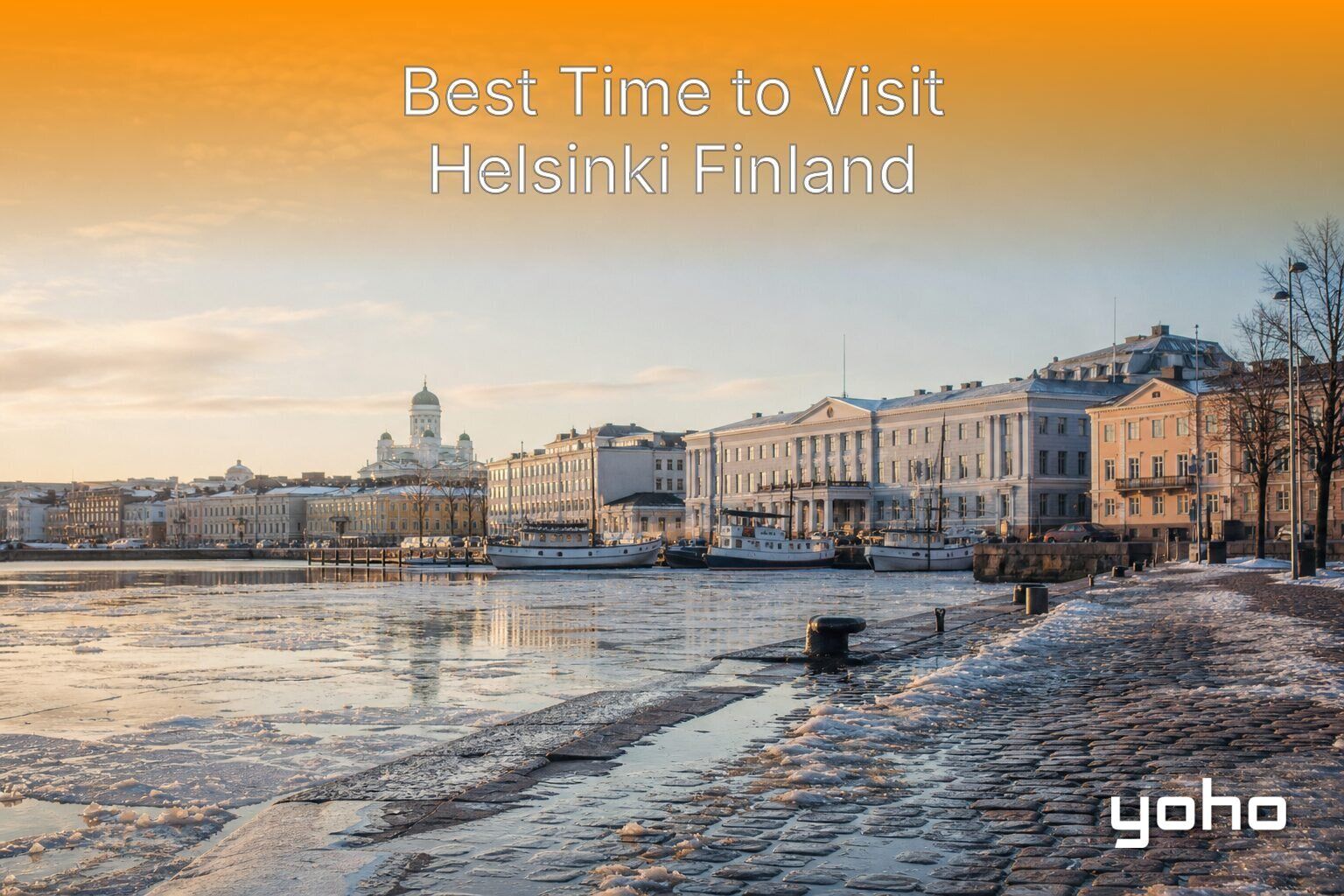
When Is the Best Time to Visit Helsinki?
The best time to visit Helsinki is late May to early September for warm weather, long daylight, open islands, and easy ferry travel. June is the best month overall, while February is best for snow and May or September work better for lower prices and fewer crowds.
Late May to early September is the most practical window for a first Helsinki trip. Temperatures usually sit around 15°C–22°C (59°F–72°F), daylight stretches late into the evening, and the city’s outdoor rhythm is fully awake. You can visit Suomenlinna by ferry, walk the waterfront, sit at market square cafés, and fit more into each day without planning around early darkness.
June stands out as the best month to visit Helsinki Finland if you want the strongest overall mix. You get near-peak daylight, comfortable walking weather, and a lively city before the busiest July holiday period. July is warmer and more festive, but it also brings higher demand for hotels, ferries, restaurants, and popular sauna bookings.
If price matters more than warmth, look at May or September. May has spring energy, greener parks, and longer evenings, though sea breezes can still feel sharp. September is calmer, stylish, and good for museums, design shops, and food-focused travel. The air turns cooler, but crowds drop noticeably after the main summer rush.
Winter can be the right answer too, especially if you want snow, saunas, Christmas atmosphere, frozen seaside scenery, or a Nordic city break that feels very different from central Europe. The key is matching your expectations: Helsinki is not Lapland, so deep snow and northern lights are never as reliable as farther north.
What Is Helsinki Like in Spring?
Spring in Helsinki runs from April to late May and suits travelers who want lower prices, longer daylight, and a quieter city before peak season. Expect cool temperatures, changing weather, and a gradual shift from grey streets to parks, terraces, and seaside walks.
April to late May brings Helsinki out of winter slowly. Temperature: about 3°C–15°C (37°F–59°F). Daylight: roughly 13 to 18 hours. Crowds: low to moderate. Price level: usually below summer peak, with better hotel availability outside holiday weekends.
April can still feel raw near the water. Snow may linger in shaded corners early in the month, but central streets usually move toward a damp, transitional feel. By May, the city becomes much easier for walking: parks brighten, café terraces reopen, and the harbor feels more appealing even when you still need a jacket.
Spring is a smart season if you prefer museums, design districts, architecture, local cafés, and a slower pace. It is less ideal if your dream version of Helsinki includes swimming platforms, long island picnics, or warm evenings outdoors. Suomenlinna is open year-round, but May feels much better than April for lingering outside.
Key events vary by year, but Vappu, Finland’s May Day celebration around April 30 and May 1, is one of the most visible spring moments in Helsinki. Expect student caps, picnics, street life, and a festive atmosphere around the city if the weather cooperates.
Pack a light insulated jacket, waterproof shoes, a compact umbrella, layers you can remove indoors, and sunglasses. Spring daylight grows quickly, and bright low-angle sun can surprise you after a cloudy morning. For broader Finland safety and entry updates before departure, check the UK government travel advice for Finland close to your travel date.
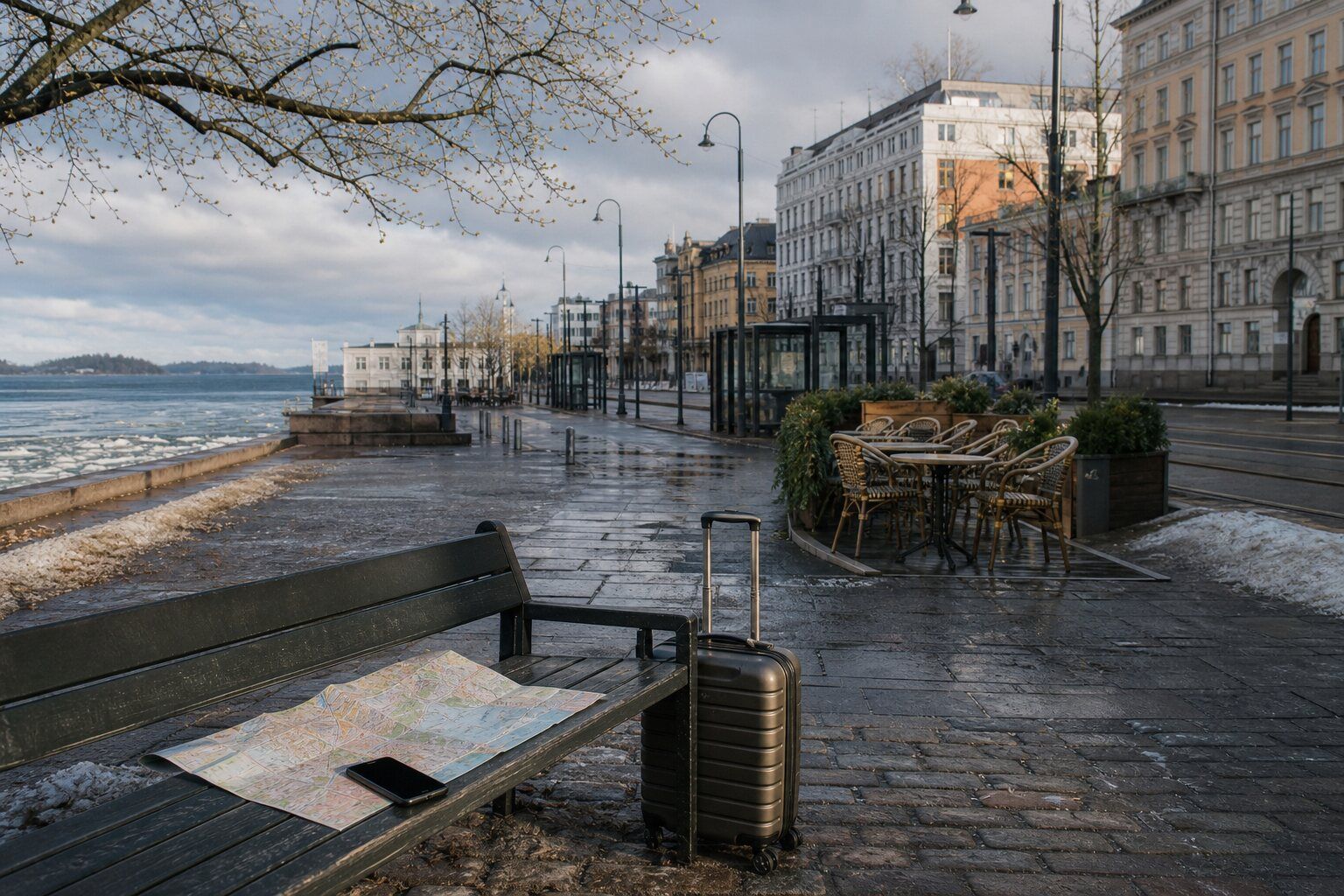
Why Is Summer the Easiest Season for First-Time Visitors?
Summer is the easiest season for first-time visitors because Helsinki has its longest daylight, mildest weather, full ferry service, open-air events, and the widest choice of outdoor activities. Choose June for balance, July for peak summer energy, and August for warm water and a slightly calmer finish.
June to August is Helsinki at its most accessible. Temperature: about 16°C–24°C (61°F–75°F), with warmer days possible. Daylight: about 15 to nearly 19 hours, longest around the June solstice. Crowds: moderate to high. Price level: highest from late June through July.
Summer makes the city simple. You can start with the Design District, cross to Suomenlinna, stop at the Old Market Hall, walk around Töölönlahti, and still have daylight left for a sauna or waterfront dinner. The long evenings are not just pleasant; they change itinerary math because you can spread sightseeing across the day instead of compressing everything before sunset.
June is often the best month to visit Helsinki if this is your first Nordic trip. You get bright evenings and active public spaces without the full intensity of July demand. July earns its popularity because the city feels relaxed, green, and social, but some locals leave for summer cottages, and central hotel prices can rise. August keeps many summer advantages, with slightly shorter evenings and a softer end-of-season feel.
Key summer moments include Midsummer in late June, though many residents leave the city, and Helsinki Festival, usually held from mid-August into early September. For official destination planning, seasonal event ideas, and attraction context, the My Helsinki city guide is a useful local source.
Pack a light jacket, breathable layers, comfortable walking shoes, swimwear for sauna visits, a sleep mask if long daylight affects you, and a small daypack. If you are also comparing flights for a wider Europe trip, Yoho Mobile has a practical guide on when to book flights during the week.
What Should You Expect in Autumn?
Autumn in Helsinki is best for design, food, museums, lower crowds, and cooler city walks. September is the strongest autumn month because daylight remains usable and the weather is still manageable, while October and November become darker, wetter, and more indoor-focused.
September to November shifts Helsinki from outdoor travel to cultural travel. Temperature: about 12°C–17°C (54°F–63°F) in September, falling toward 0°C–7°C (32°F–45°F) by November. Daylight: roughly 13 hours in early September, under 7 hours by late November. Crowds: low to moderate. Price level: usually below summer, except during major conferences or events.
September is underrated. It can still offer crisp walks, calmer ferries, good restaurant availability, and enough daylight for a full itinerary. If you want the best time to travel Helsinki without peak-season pressure, early to mid-September is one of the easiest answers. You may need a warmer jacket, but the city feels less crowded and more local.
October is moodier. Fall color can be beautiful in parks and around the waterfront, yet rain and wind become more likely. This is a good month if you are drawn to design shops, libraries, architecture, saunas, and long meals rather than island-hopping. November is the hardest autumn month for many visitors: daylight is short, snow is not dependable, and the city can feel damp before winter fully arrives.
Key autumn events often include Helsinki Design Week in September and the tail end of Helsinki Festival in early September, depending on the year. These make autumn especially appealing if you care about interiors, fashion, architecture, visual culture, and contemporary Nordic creativity.
Pack waterproof footwear, a wind-resistant coat, a warm mid-layer, gloves from late October onward, and a compact umbrella. If you plan to use maps heavily while walking between design shops, cafés, tram stops, and ferry terminals, it helps to know how much mobile data Google Maps uses before you choose your travel setup.
When Is the Best Time to Visit Helsinki in Winter?
The best time to visit Helsinki in winter is January to early March if you want the strongest chance of snow, frozen scenery, and a true Nordic cold-weather atmosphere. December is better for Christmas mood, while February often gives the most dependable winter feel.
December to early March is Helsinki’s winter travel season. Temperature: about -7°C–2°C (19°F–36°F), with colder spells possible. Daylight: around 6 hours in late December, rising to about 10 hours by early March. Crowds: low outside Christmas and New Year. Price level: often lower than summer, with holiday spikes in late December.
If your priority is the best time to visit Helsinki for snow, aim for late January through February. Central Helsinki can get snow earlier, but coastal weather is changeable, and mild Baltic air can turn snow to slush. February is the safer bet for snowy parks, winter photos, and a more consistent cold-weather city break.
December is atmospheric but less predictable for snow. The Christmas market season, decorated streets, candles, warm drinks, and sauna culture make it appealing, even if the ground is wet rather than white. The main limitation is daylight: short days force you to plan sightseeing carefully, especially if you want both museums and outdoor walks.
January is quiet and dark, which can be perfect if you want lower crowds and a calm Nordic reset. February brings more daylight and typically better snow odds, making it the strongest answer for the best time to visit Helsinki in winter. Early March can still feel wintry, but longer days make the city easier for first-time cold-weather visitors.
Pack thermal base layers, insulated waterproof boots, wool socks, gloves, a hat, a scarf, and a coat that blocks wind. Pavements can be icy, so choose footwear for grip rather than style alone. The Finnish Meteorological Institute overview of Finland’s seasons is helpful for understanding how quickly daylight and weather change across the country.
What Is the Best Time to Visit Helsinki for Northern Lights?
The best time to visit Helsinki for northern lights is September to March, but sightings in the capital are occasional rather than dependable. For a serious aurora trip, use Helsinki as an entry point and continue to Finnish Lapland, where darker skies and northern latitude improve your chances.
September to March is the practical aurora window because nights are dark enough. Temperature: about -7°C–10°C (19°F–50°F), depending on month. Daylight: from very short winter days to balanced autumn and spring light. Crowds: low to moderate. Price level: lower in Helsinki than Lapland during peak aurora periods, but not a substitute for Lapland’s viewing conditions.
Helsinki is not the best base if northern lights are the main reason for your trip. The city sits far south compared with Finnish Lapland, and urban light reduces visibility. Strong aurora activity can still produce sightings from darker coastal areas, islands, or open waterfronts, but you should treat this as a bonus rather than the purpose of the trip.
If you want a Helsinki city break with a small aurora chance, choose October, February, or early March. October has longer nights without deep winter cold. February has stronger winter atmosphere and more snow potential. Early March gives you better daylight for city sightseeing while still keeping dark evenings.
If your real goal is aurora viewing, fly into Helsinki, spend 1 or 2 nights in the capital, then continue north to Rovaniemi, Levi, Inari, or another Lapland destination. Visit Finland explains that the northern lights are most commonly associated with Finnish Lapland and dark clear nights; see the official Visit Finland guide to seeing the northern lights for destination context.
Plan clothing for waiting outdoors, not just walking between sights. You may stand still in freezing conditions while checking sky conditions, so insulated boots, hand warmers, and layered gloves matter. For more aurora timing context in another Nordic destination, read Yoho Mobile’s guide to the best time to see northern lights in Iceland.
When Is the Best Time to Visit Helsinki and Tallinn Together?
The best time to visit Helsinki and Tallinn together is late May to early September, when daylight is long, ferry crossings are easiest to schedule, and both cities support outdoor sightseeing. June is the best shared month because it is lively without the heaviest July crowd pressure.
Late May to early September works best for a two-city Baltic itinerary. Temperature: about 15°C–24°C (59°F–75°F) across the region. Daylight: roughly 15 to 19 hours. Crowds: moderate to high. Price level: highest in July and early August, especially for weekend stays.
The Helsinki-Tallinn pairing is popular because the ferry crossing is short enough for a day trip, yet the two capitals feel distinct. Helsinki gives you Nordic design, sea fortresses, saunas, and modern architecture. Tallinn adds medieval lanes, viewpoints, city walls, and a denser old-town atmosphere. Long summer daylight lets you leave early, explore Tallinn properly, and return without feeling like the day disappeared.
June is the best month to visit Helsinki and Tallinn if you want balance. July has the warmest feel and the most outdoor energy, but Tallinn’s Old Town can feel crowded when cruise visitors and day trippers overlap. August is still strong, especially if you prefer warmer evenings and do not mind slightly shorter days.
Spring and autumn can also work, especially for budget-focused travelers. May and September offer lower crowd levels and good walking conditions. October is possible for museums, cafés, and restaurants, but the day trip becomes more weather-sensitive. Winter ferries still operate, yet short daylight makes Tallinn feel rushed unless you stay overnight.
Book ferries earlier for summer weekends, public holidays, and event periods. A simple 4-day structure works well: 2 days in Helsinki, 1 day in Tallinn, and 1 flexible day for Suomenlinna, saunas, museums, or weather changes. Keep your passport or accepted travel document handy and confirm entry rules before crossing borders.
When Should You Avoid Visiting Helsinki?
Avoid Helsinki in November if you dislike darkness, damp weather, and limited outdoor appeal. Late March and early April can also disappoint travelers expecting either snow or spring warmth, while July may be worth avoiding if you are sensitive to high prices and busy summer demand.
November is the weakest month for most leisure travelers. Temperature: about 0°C–5°C (32°F–41°F). Daylight: roughly 6 to 8 hours. Crowds: low. Price level: often lower than summer, but the savings may not compensate if your ideal trip includes scenic outdoor time.
November sits in an awkward gap. It is too late for autumn color, too early for dependable snow, and too dark for relaxed sightseeing. Rain, wind, and grey skies can make waterfront areas feel bleak. If you love museums, libraries, cafés, saunas, and quiet restaurants, you can still enjoy the city, but it is not the strongest recommendation for a first visit.
Late March to early April is another tricky window. You may not get postcard snow, and you may not get spring warmth either. Streets can be wet, icy, gritty, or slushy depending on the week. This period is fine for indoor culture and lower hotel prices, but it is risky if you have a fixed image of Helsinki looking either snowy or green.
July is not bad; it is simply not ideal for every traveler. It is warm, social, and beautiful, but demand is high, popular restaurants can book out, and day trips feel busier. If you can only travel in July, go early in the day to Suomenlinna, reserve sauna slots, and book accommodation well ahead. If you have flexibility, June or late August usually feels smoother.
Which Month Fits Your Travel Style Best?
June is best for first-timers, February is best for snow, September is best for culture with fewer crowds, and May is best for value before summer. Families usually do best from June to August, while budget travelers should compare May, September, October, and January.
The best month to visit Helsinki depends on what you want your days to feel like. A museum-heavy trip can succeed almost any time of year, but island walks, ferries, snow scenes, and Tallinn day trips are more timing-sensitive. Use this quick comparison to narrow your dates before booking flights.
| Traveler goal | Best month or window | Why it works | Main caution |
|---|---|---|---|
| First visit | June | Long daylight, mild weather, active waterfront, easier sightseeing | Book popular restaurants and saunas ahead |
| Snow | Late January to February | Best chance of real winter atmosphere in the capital | Cold wind and icy pavements |
| Lower prices | May, September, October, January | Less peak demand than summer and holiday periods | Weather can be less predictable |
| Families | June to August | Long days, easier ferry trips, more outdoor flexibility | July is busiest and can cost more |
| Design and food | September | Good cultural calendar and calmer streets after summer | Cooler evenings require layers |
| Helsinki and Tallinn | June or early September | Strong daylight with less pressure than peak July | Weekend ferries still need planning |
| Christmas mood | December | Markets, lights, seasonal food, sauna atmosphere | Snow is not guaranteed in central Helsinki |
If you are still asking when is the best time to visit Helsinki, choose June unless you have a specific reason not to. It gives you the widest margin for error: if one day is rainy, you still have long daylight and plenty of indoor options. If you want a more local, less crowded version of the city, early September is the next safest pick.
What Should You Book, Pack, and Prepare Before You Go?
Book Helsinki hotels, ferries, popular saunas, and special restaurants earlier for summer, Christmas, and event weeks. Pack for wind and changeable coastal weather in every season, and prepare mobile access before arrival so maps, tickets, translation, and ferry updates work immediately.
Helsinki rewards travelers who arrange the time-sensitive pieces before arrival. Summer ferry crossings, popular sauna sessions, and well-known restaurants can fill faster than expected, especially from late June through August. For July weekends, aim to book accommodation 6 to 8 weeks ahead. For May, September, October, and January, 3 to 5 weeks is often more comfortable, unless a major event overlaps your dates.
Book these items early if they matter to your itinerary:
- Hotels near the center, harbor, or main railway station: useful for short trips and Tallinn ferry mornings.
- Sauna reservations: especially for popular public saunas and weekend evening slots.
- Helsinki-Tallinn ferries: especially summer weekends, holidays, and day-trip departure times.
- Restaurants: reserve ahead for Friday and Saturday dinners, tasting menus, or waterfront venues.
- Museums and special exhibitions: check opening days because some schedules shift by season.
Packing should reflect wind as much as temperature. Helsinki is coastal, and the same forecast can feel colder near the harbor than it does inland. In summer, bring a light jacket and comfortable shoes. In spring and autumn, prioritize waterproof footwear and layered outerwear. In winter, choose traction, insulation, and warmth over minimalist packing.
Your phone setup matters because Helsinki travel often depends on live information: tram routes, ferry changes, mobile tickets, restaurant messages, weather updates, and walking directions through unfamiliar neighborhoods. The first body mention is here: an eSIM lets compatible phones use a digital eSIM profile instead of swapping a physical SIM, which is useful when you want mobile data ready before you land. If you are unsure about your device, check Yoho Mobile’s eSIM-compatible phone list before buying any eSIM plan.
Yoho Mobile works well for this kind of trip because you can choose destination coverage, mobile data amount, and usage days independently rather than fitting your dates into fixed bundles. For Helsinki plus Tallinn, that flexibility is helpful if you only need a few days of light map use or a longer Nordic-Baltic route with more mobile data. You can explore Yoho Mobile eSIM plans, then manage your eSIM plan through the Yoho Mobile app on iOS or the Yoho Mobile app on Android.
If you are trying digital travel mobile data for the first time, you can read about the free eSIM trial and Yoho Care emergency data service together before deciding what to use for your Helsinki dates.
Device limitations still matter. Some older phones do not support eSIMs, and some carrier-locked devices may restrict activation. If your phone is not compatible, a physical SIM or your home carrier’s roaming option may be the more practical fallback. Before departure, it is also worth reviewing Yoho Mobile’s guide on whether to keep data roaming on or off while traveling.
Frequently Asked Questions
What is the single best month to visit Helsinki Finland?
June is the best single month for most travelers. It gives you long daylight, mild temperatures, open island attractions, ferry-friendly conditions, and a lively city feel before the heaviest July demand. If you prefer lower costs, choose May or September instead.
Can you see the northern lights in Helsinki?
Yes, but sightings are occasional and should be treated as a bonus. Helsinki is far south compared with Lapland, and city light reduces visibility. For a trip built around aurora viewing, spend a short time in Helsinki and continue north.
Is Helsinki expensive in summer?
Summer is usually the highest-demand season, especially from late June through July. Hotels, ferries, sauna sessions, and central restaurants can require earlier booking. June and late August often feel slightly easier than peak July.
Is December a good time to visit Helsinki?
December is good for Christmas markets, winter lights, seasonal food, and sauna culture. It is not the most reliable month for deep snow in central Helsinki, so visit for atmosphere rather than guaranteed white streets.
How many days do you need for Helsinki and Tallinn?
Plan at least 4 days if you want both cities without rushing. Spend 2 days in Helsinki, 1 day in Tallinn, and keep 1 flexible day for Suomenlinna, saunas, museums, ferry timing, or weather changes.
What is the best time to visit Helsinki for snow?
Late January through February is the best period for snow in Helsinki. Coastal weather can still vary, but this window offers the strongest chance of a winter city atmosphere, icy seaside views, and snowy parks.