
Things to Do in Belgrade Travel Guide
Planning a trip to the Serbian capital means trying to fit fortress ruins, riverfront clubbing, and grilled meat marathons into a tight schedule. Show up without a plan and you will end up wandering empty streets at noon, missing the sunset over the Danube, and paying double for a meal in a tourist trap on the main square. This guide breaks down the exact itinerary, neighborhood breakdown, and local logistics you need to experience Belgrade at its best.
What Should Travelers Know About Things to Do in Belgrade Travel Guide?
Belgrade is the capital of Serbia, situated at the strategic meeting point of the Sava and Danube rivers. The city operates on the Serbian Dinar (RSD), uses the Cyrillic and Latin alphabits interchangeably, and offers a high-value travel experience where a full meal with drinks often costs under fifteen euros.
Understanding the local vibe is the first step in mastering your Things to Do in Belgrade Travel Guide. Belgrade translates to the "White City," though its history is incredibly colorful and sometimes quite dark. It sits on the crossroads of Eastern and Western Europe, resulting in a unique blend of Ottoman, Austro-Hungarian, and brutalist architecture. You will find Orthodox churches just a few blocks away from modern glass towers and ancient fortress walls.
Getting around the city center is remarkably easy. Most of the main attractions are within walking distance of one another. When you need to venture further out, the city relies on an extensive network of buses, trams, and trolleybuses. You can buy a BusPlus transit card at kiosks around the city to pay for your rides digitally rather than fumbling with paper tickets. Taxis are cheap, but make sure you use officially marked vehicles to avoid getting overcharged.
The people in Belgrade are famously hospitable. You will likely be offered rakija—a strong fruit brandy—within minutes of meeting a local. Accept it, sip it slowly, and prepare for a city that treats guests like family. The pace of life here is relaxed during the day and highly energetic at night. If you want to read more about navigating European destinations smoothly, check out our guide on phone compatibility in Europe.
When Is the Best Time to Visit Belgrade Travel?
The best time to visit Belgrade is during late spring (May to June) or early autumn (September to October). During these months, temperatures range from 18°C to 25°C, allowing you to explore the outdoor ruins and riverbanks comfortably without the sweltering heat of summer or the biting chill of winter.
Things to Do in Belgrade Travel Guide weather considerations should dictate your packing list. Summer in Belgrade (July and August) can see temperatures soaring above 35°C. The heat is often heavy and humid, which can make extensive walking tours feel exhausting. Winter, on the other hand, is genuinely cold. From December to February, temperatures frequently drop below freezing, and the famous river winds can make it feel even colder. For official planning context, check World Meteorological Organization climate guidance.
Spring brings the city back to life. The parks around Kalemegdan turn green, and the outdoor cafe culture begins to bloom. Autumn is equally beautiful, with the trees along the riverbanks changing colors. Both seasons offer the perfect climate for enjoying the famous Belgrade coffee culture, where locals sit outside for hours. Travelers can verify this through Time Out travel guides.
If you are specifically visiting for the nightlife and music festivals, the summer months are unbeatable. The famous floating river clubs, known as splavovi, open their doors and host international DJs until the early hours of the morning. Just be prepared for hot days and late nights. For general travel planning, you might also enjoy our post on the best day of the week to book flights.
What Are the Best Things to Do in Belgrade Travel?
The best things to do in Belgrade include walking through the Kalemegdan Fortress, exploring the Temple of Saint Sava, wandering down the pedestrian boulevard of Knez Mihailova, and experiencing the unique floating river clubs on the Danube. The city blends ancient history with a modern, high-energy lifestyle.
Building your Things to Do in Belgrade Travel Guide itinerary requires a mix of history, food, and nightlife. Here are the absolute must-see attractions:
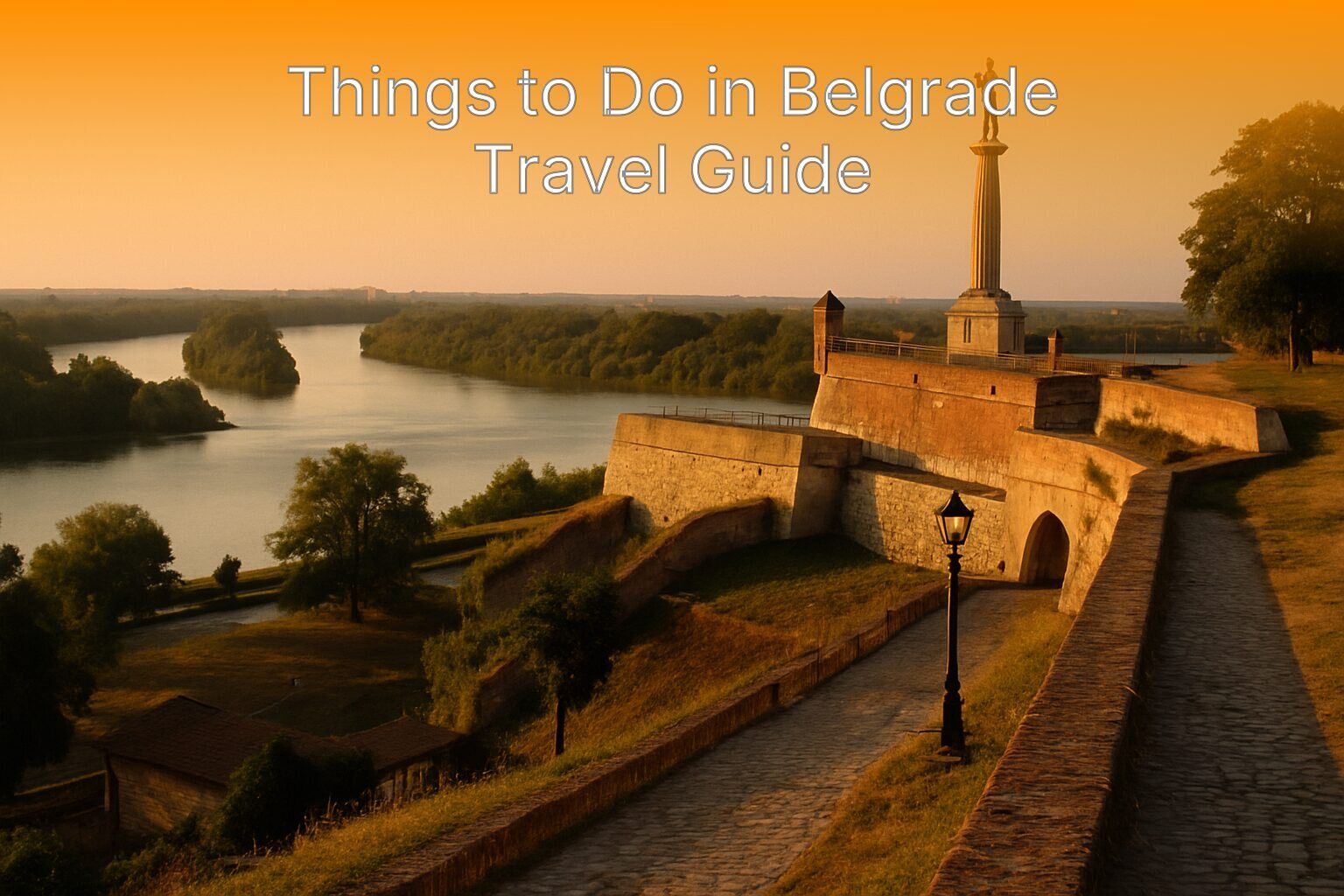
- Kalemegdan Fortress and Park: This is the crown jewel of Belgrade. The fortress sits high on a cliff overlooking the confluence of the Sava and Danube rivers. Walk through the ancient gates, visit the military museum, and watch the sunset from the Victor Monument. It is free to enter and provides the best views in the city.
- The Temple of Saint Sava: One of the largest Orthodox churches in the world. The sheer scale of the white marble exterior is staggering, but the real magic is inside. The interior is covered in millions of gold-glass mosaics that shimmer in the candlelight.
- Knez Mihailova Street: The main pedestrian and shopping zone. It is lined with historical buildings, cafes, and street performers. It connects Republic Square directly to Kalemegdan Park.
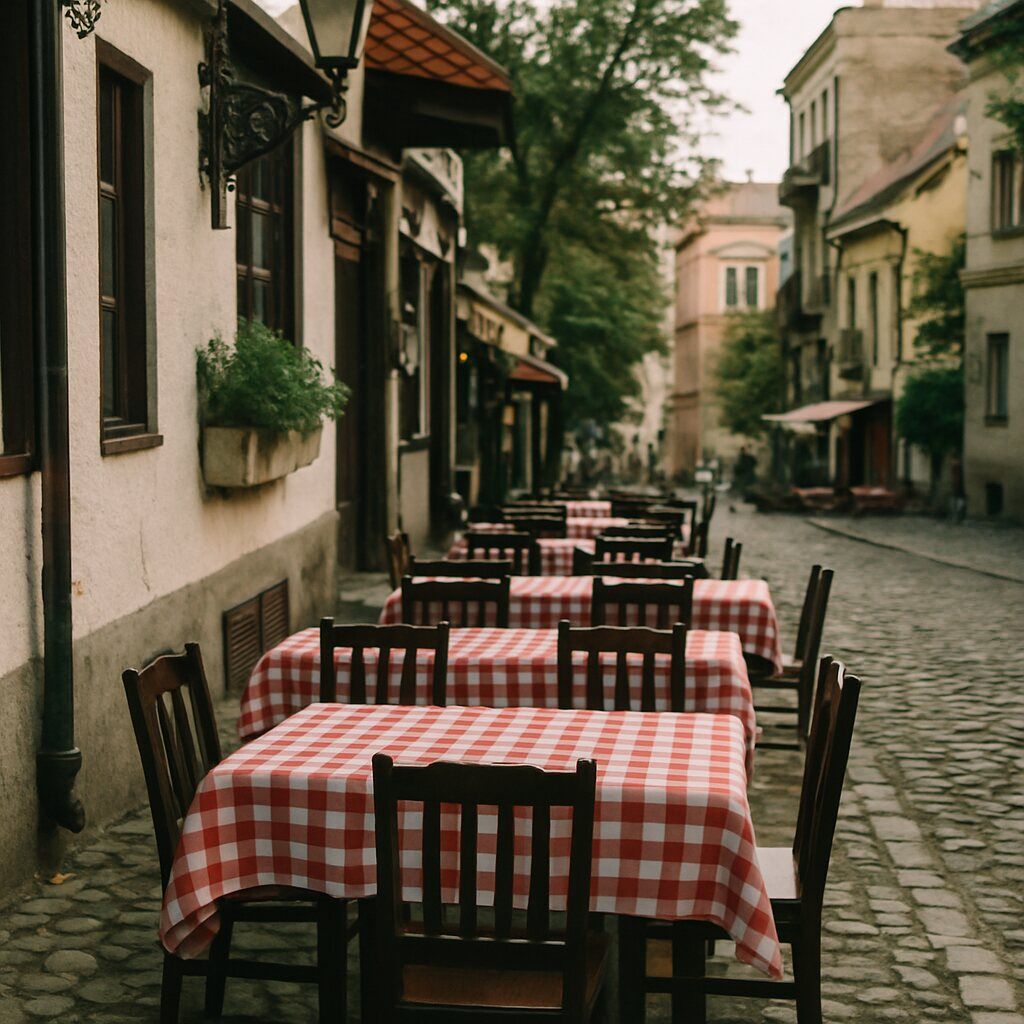
- Skadarlija (The Bohemian Quarter): This cobblestone street is the historic heart of Belgrade's artistic community. It is filled with traditional restaurants called kafanas, where live musicians play traditional Serbian music while you eat.
- Zemun: Once a separate town under Austro-Hungarian rule, Zemun has a completely different architectural vibe from the rest of Belgrade. Climb the Gardoš Tower for panoramic views, and eat fresh fish along the Danube promenade.
Food is a central pillar of any Belgrade itinerary. You must try ćevapi (small grilled minced meat sausages served with flatbread and onions), pljeskavica (a spiced meat patty), and a hearty bowl of pasulj (Serbian bean soup). The portions are massive, so come hungry.
What Events and Festivals Are Happening in Belgrade?
Belgrade hosts major events like the Belgrade Beer Fest in August, the BITEF Theatre Festival in September, and the massive EXIT music festival nearby in Novi Sad every July. The city also celebrates Belgrade Design Week and numerous film and documentary festivals throughout the year.
The event calendar heavily influences the Things to Do in Belgrade Travel Guide travel tips you should follow. If you visit in August, you cannot miss the Belgrade Beer Fest. Held in the park below the Usce Tower, it offers dozens of domestic and international beers, live rock and pop concerts, and a massive crowd of cheerful locals. Entry is completely free.
Just a short train or bus ride away from Belgrade is Novi Sad, the second-largest city in Serbia. Every July, the Petrovaradin Fortress transforms into the venue for the EXIT Festival, one of Europe's most highly regarded electronic and rock music festivals. Many travelers base themselves in Belgrade and make a day trip or overnight trip to Novi Sad specifically for this event. You can check schedules and ticket information on the official EXIT Festival website.
For those who prefer cultural events, the BITEF Theatre Festival brings contemporary theatrical productions from around the globe to Belgrade stages every September. The Belgrade International Film Festival (FEST) is another major draw, usually held in February and March, screening hundreds of international films.
Where Should You Stay in Belgrade Travel?
The best areas to stay in Belgrade are Dorćal for upscale dining and galleries, Vračar for local neighborhood vibes near the Temple of Saint Sava, and Stari Grad (Old Town) for immediate access to Knez Mihailova and Kalemegdan. Belgrade offers excellent value across hostels, boutique hotels, and short-term rentals.
Choosing the right neighborhood makes or breaks your Things to Do in Belgrade Travel Guide itinerary. Here is a breakdown of the top districts:
| Neighborhood | Vibe | Best For |
|---|---|---|
| Stari Grad (Old Town) | Bustling, tourist-friendly, walkable | First-time visitors who want to be near Kalemegdan and Knez Mihailova |
| Dorćal | Trendy, artistic, culinary hotspot | Travelers looking for boutique galleries, craft coffee, and modern dining |
| Vračar | Residential, leafy, relaxed | Those who want a quieter base near the Temple of Saint Sava |
| Savamala | Gritty, underground, nightlife | Club-goers and artists wanting to be near the river clubs |
| Zemun | Historic, provincial, riverside | Couples seeking a romantic, slower-paced atmosphere |
Accommodation in Belgrade is surprisingly affordable compared to Western European capitals. You can find highly rated boutique hotels in Stari Grad for a fraction of what a standard chain hotel costs in Paris or London. Short-term apartment rentals are also abundant and provide excellent value, especially if you are traveling with a group and want a kitchen to store leftover ćevapi. For more travel planning advice, take a look at our weekend plan guide.
What Should You Book or Pack for Belgrade Travel?
You should pack comfortable walking shoes, a universal power adapter (Type C and Type F plugs are used in Serbia), and layered clothing suited to the season. Booking restaurant tables in advance is highly recommended for popular spots in Skadarlija, and securing airport transit ahead of time saves hassle upon arrival.
Things to Do in Belgrade Travel Guide packing tips depend heavily on the season. If you visit in summer, pack lightweight, breathable clothing, sunglasses, and comfortable sandals. Do not forget a portable water bottle, as the tap water in Belgrade is safe and delicious to drink. Winter travelers need a heavy coat, thermal layers, a scarf, and sturdy boots with good grip, as the cobblestone streets in areas like Skadarlija can become very slippery.
For a comprehensive list of travel essentials, review our guide on smart packing for travel and airport security. Beyond the basics, here are a few Belgrade-specific items to consider:
- Portable charger: You will be using your phone constantly for maps, translation, and taking photos of the massive food portions.
- Cash (Serbian Dinars): While cards are widely accepted in the city center, smaller bakeries, market vendors, and some traditional kafanas operate on a cash-only basis.
- Translation app: Younger locals speak excellent English, but having a translation app downloaded for older generations is a courteous backup.
- Evening wear: Belgrade nightlife is stylish. If you plan to visit high-end clubs or fine dining restaurants, smart-casual attire is expected.
Pre-booking your airport transfer is a smart move. Belgrade Nikola Tesla Airport is about 18 kilometers west of the city center. While public buses (line 72 and the A1 minibus) are available, they can be crowded and confusing if you have heavy luggage. Booking a private transfer or using a ride-hailing app like CarGo (the local equivalent of Uber) ensures a smooth start to your trip.
How Can You Stay Connected While Traveling in Belgrade Travel?
Staying connected in Belgrade is easy if you use an eSIM instead of relying on expensive physical SIM cards or roaming charges. An eSIM lets you download a local network profile digitally before you even land at Nikola Tesla Airport.
Having reliable mobile data is essential for navigating the city. You will need internet access to use digital maps for finding hidden bars in Dorćal, translating Serbian menus, booking rides on the CarGo taxi app, and looking up the schedules for the Belgrade tram system. A digital connection keeps your itinerary running smoothly.
Yoho Mobile offers flexible eSIM plans that cover Serbia and over 200 other countries. You can freely choose your destination, data allowances, and usage duration without being locked into a fixed plan. If you want to browse the available options for your trip, you can explore Yoho Mobile eSIM plans to find the exact data amount you need.
Getting set up is simple. Download the Yoho Mobile app on iOS or Yoho Mobile app on Android to purchase and activate your eSIM profile directly from your smartphone. This means you can land in Belgrade and immediately have access to mobile data without hunting for a physical store.
If you are new to this technology, you can try a free eSIM trial to test the setup process before your trip. If you ever run into an emergency where you need extra data, Yoho Care emergency data service has you covered.
What Practical Travel Tips Should You Remember?
Practical tips for Belgrade include carrying Serbian Dinars for small vendors, using the CarGo app for reliable taxis, staying aware of your belongings in crowded trams, and understanding that locals appreciate a polite greeting like "Dobar dan" before asking for help in English.
Mastering a few local customs will drastically improve your experience. Serbians are warm and direct. When entering a shop or a small market, it is customary to say "Dobar dan" (Good day) to the staff. A simple greeting shows respect and often results in much better service.
When it comes to transportation, the Belgrade tram system is scenic but can be slow due to traffic. The most efficient way to cover longer distances is via the CarGo ride-hailing app, which operates similarly to Uber and eliminates the language barrier when telling a driver where to go. For official tourism information, maps, and current event schedules, you can refer to the Tourist Organization of Belgrade.
Tipping is not strictly mandatory, but it is appreciated. In restaurants, rounding up the bill or leaving about ten percent is standard practice if you received good service. In cafes, leaving the small change from your coffee is common.
Finally, pace yourself. Belgrade is a city that rewards slow mornings and late nights. Do not try to cram every museum into a single day. Spend an afternoon simply sitting in a Dorćal cafe with a coffee, watching the locals, and enjoying the rhythm of the White City. For more ideas on how to structure your time, read our Paris three-day itinerary for inspiration on balancing a travel schedule.
Frequently Asked Questions
How many days do you need in Belgrade?
A 3-day trip gives you enough time to see the main historical sites, experience the nightlife, and explore local neighborhoods like Dorcol and Zemun.
Is Belgrade safe for tourists?
Belgrade is generally safe for tourists. Petty crime like pickpocketing can happen in crowded areas, but violent crime is rare. Standard urban awareness is advised.
Do they use the Euro in Belgrade?
No, the official currency is the Serbian Dinar (RSD). Some tourist-facing businesses might accept Euros, but you will get a better exchange rate using Dinars.
What food is Belgrade famous for?
Belgrade is famous for grilled meats, specifically cevapi, pljeskavica, and rostilj dishes. You should also try local desserts like knedle and traditional Serbian salads.
Can you drink the tap water in Belgrade?
Yes, the tap water in Belgrade is completely safe to drink and meets high municipal quality standards.
Is Belgrade a walkable city?
The city center is highly walkable, with major attractions like Kalemegdan and Knez Mihailova within easy walking distance. Public transport is needed for areas further out.