
Hanoi Monsoon Travel: Stay Connected with a Vietnam eSIM
Stay prepared during the Hanoi monsoon season by using a reliable Vietnam eSIM that keeps you connected through changing weather, shifting travel plans, and busy city streets.
When you plan Vietnam travel during the rainy season, you’ll want steady mobile access for weather updates, transport apps, and last-minute itinerary changes. Hanoi’s monsoon months bring sudden downpours, shifting winds, and unpredictable skies, so your phone becomes your most important tool for navigating the city.
If you want a smooth experience as you explore Old Quarter cafés, lakeside promenades, and cultural sites, you can simplify your trip by setting up your digital Vietnam eSIM before you fly.
Why Connectivity Matters During Hanoi’s Monsoon Season
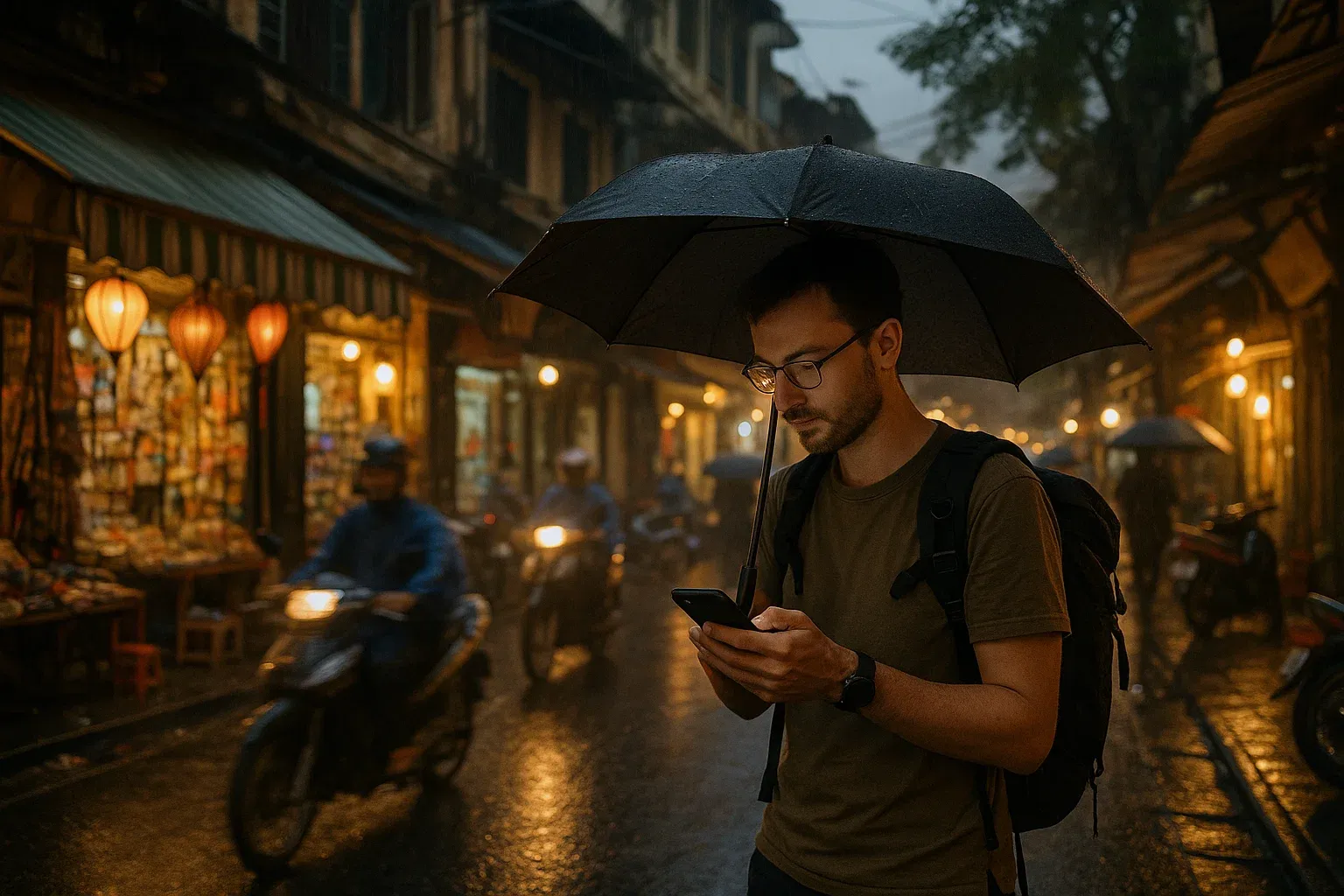
Traveling through Vietnam’s northern capital during rainy months means adjusting plans hour by hour. The Hanoi monsoon season typically aligns with the northeast monsoon travel period, when cooler winds and sudden showers shape your itinerary. Your ability to stay connected in Hanoi plays a major role in keeping your day organized, from booking taxis to checking air-quality forecasts.
Before you pick a plan, it helps to understand what is an eSIM card. This technology replaces the need for physical SIM cards and allows instant activation right from your phone. For travelers who move quickly or juggle unpredictable weather, an eSIM for Vietnam offers instant flexibility.
Why an eSIM Helps During Monsoon Travel in Vietnam
- Weather updates refresh instantly when storms shift.
- You can check local flood alerts and road closures.
- Grab, Be, and other ride-hailing services work seamlessly.
- You avoid slow hotel Wi-Fi, especially during storm surges.
- Maps stay accurate even when clouds reduce visibility.
When rain patterns change suddenly, the best data plan Vietnam travelers use is one that stays strong indoors, outdoors, and during commutes.
Why Choose an eSIM for Vietnam Instead of a Tourist SIM
A Vietnam tourist SIM is a common option, but buying one at the airport takes extra time. During peak monsoon flights, shops get crowded and language barriers make things slower. Choosing an eSIM for Vietnam lets you skip the chaos, avoid long lines, and start exploring the moment you arrive.
Because an eSIM works digitally, you activate your service from home. There’s no exchanging plastic cards or worrying about losing them in wet conditions. Your home number stays active, and your Vietnam travel data plan switches on as soon as you land in Hanoi.
Advantages of Using a Vietnam eSIM During Rainy Season
- Quick setup without visiting stores.
- Weather-resistant convenience with no physical card to misplace.
- Fast 4G/5G speeds even during peak travel times.
- Coverage across major cities, including Hanoi, Da Nang, and Ho Chi Minh City.
- Better flexibility for short or long trips.
If you want to understand coverage and pricing across Asia, you can review the full breakdown on how Yoho Mobile works. This helps you compare options when planning multi-city travel.
Step-by-Step: How to Set Up Your Vietnam eSIM
Setting up a Vietnam eSIM is simple, even if this is your first time using digital SIM technology. Here’s how to get connected before the monsoon air hits.
-
Verify your phone’s eSIM compatibility.
Most recent models from Apple, Google, and Samsung support eSIM activation. -
Choose your Vietnam data plan.
Look for the best data plan Vietnam travelers prefer, especially if you expect heavy use of weather apps and ride-booking services. -
Purchase your plan online.
Visit the Yoho Mobile store and select your Vietnam package. You’ll receive an email with your QR installation code. -
Scan your QR code.
Open your device’s mobile network settings and add the eSIM using the QR instructions. -
Enable data roaming for the eSIM.
This step activates your connection to local Vietnamese networks. -
Switch to the eSIM after landing in Hanoi.
Your phone connects almost instantly, so you’re ready to search routes, check storm forecasts, or book transportation.
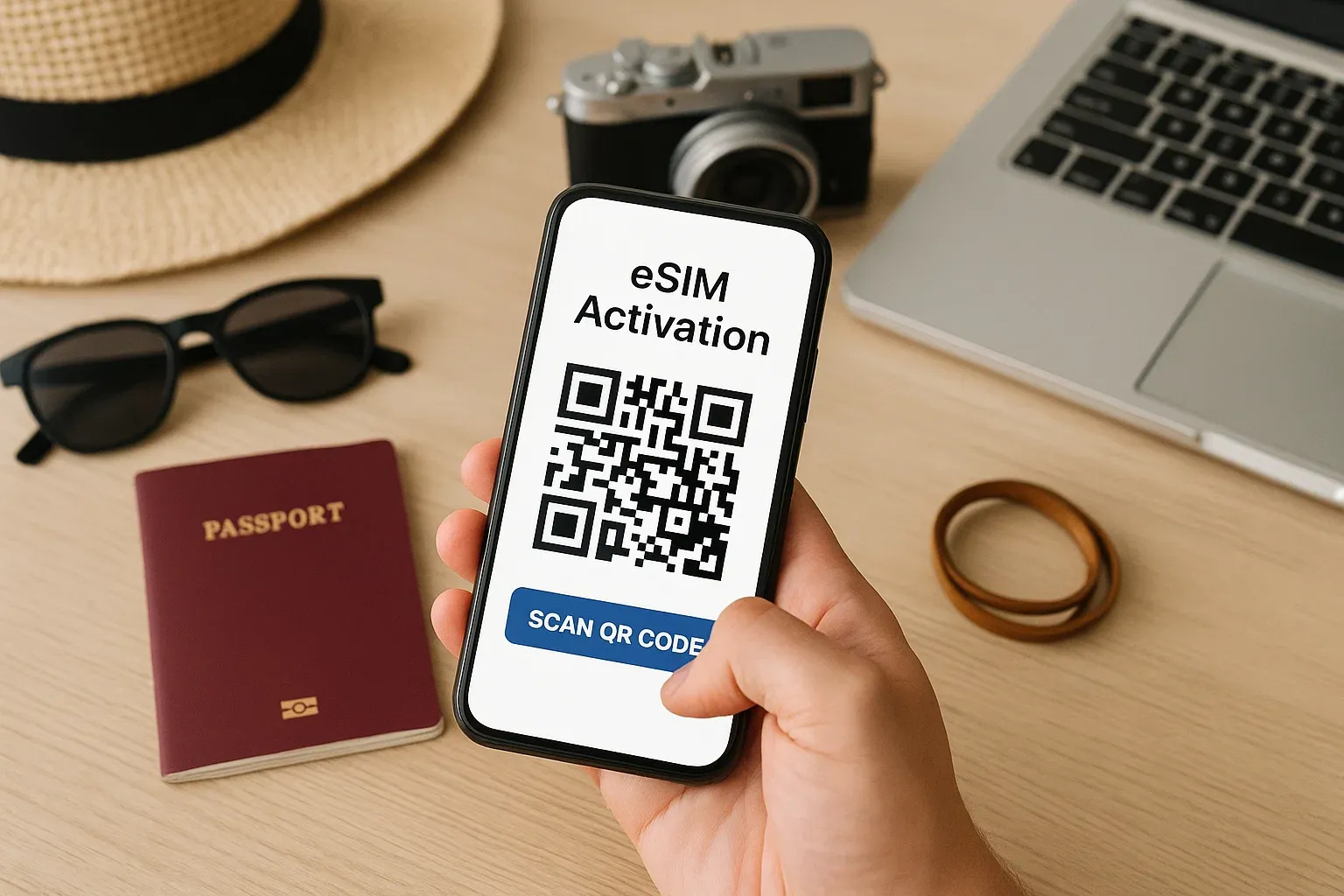
This straightforward setup saves time and prevents connectivity gaps during sudden storms. If you want dependable service during unpredictable monsoon days, you can make things easier by choosing a travel-ready Vietnam eSIM before departure.
How Your eSIM Helps You Navigate Hanoi’s Weather
Monsoon conditions shape everything from transportation to sightseeing. Reliable mobile data helps you manage each day with confidence, even when heavy rain changes your plans.
Everyday Ways You’ll Use Your eSIM in Hanoi
- Tracking rain predictions and radar maps
- Checking updated schedules for buses and taxis
- Following walking directions through Old Quarter streets
- Booking indoor activities during heavy showers
- Refreshing air-quality readings around Hoàn Kiếm Lake
- Searching for cafés or museums when you need shelter
When storms hit, travelers often crowd public Wi-Fi hubs, making connections slow. Your personal eSIM for Vietnam ensures consistent service no matter how busy the city gets.
If you want the freedom to wander through wet markets, historic temples, and food alleys without worrying about signal strength, you can select a flexible Vietnam data plan before you arrive.
Best Practices for Traveling Hanoi During the Monsoon
The monsoon brings beauty and challenges. Hanoi becomes cooler, evenings feel refreshing, and photography opportunities increase thanks to the dramatic skies. But with that comes humidity, slick roads, and fast-changing weather patterns.
Smart Tips for Navigating Hanoi in Wet Weather
- Bring lightweight rain gear that dries quickly.
- Use weather apps frequently to avoid downpours.
- Stay cautious on motorbike taxis, especially during heavy rain.
- Keep digital backups of booked tours in case of rescheduling.
- Pack waterproof cases for your phone and accessories.
- Plan indoor stops at places like the Vietnam Museum of Ethnology or the Hanoi Opera House.
If you want instant access to all these tools and alerts, you’ll appreciate having a digital plan that keeps you connected at all times. You can make your Hanoi travel days run smoother by choosing a plan that activates immediately when you land.
Real Traveler Scenarios During the Monsoon
Many visitors share similar experiences when traveling through Vietnam during monsoon months. Having data ready helps you avoid setbacks and enjoy the atmosphere of Hanoi’s rainy season.
- Sudden showers: You monitor radar maps and find indoor cafés quickly.
- Traffic delays: With apps like Grab, you track driver arrival times during storms.
- Detours: You reroute on maps when narrow streets flood temporarily.
- Flight changes: Storms sometimes impact domestic flights, and apps notify you early.
- Street closures: You stay updated through local announcements posted online.
These real-life examples show why it’s so important to stay connected in Hanoi. Monsoon travel rewards the prepared, and a strong Vietnam eSIM keeps you ready for each shift in the weather.
If you want uninterrupted connectivity throughout your entire trip, you can streamline your experience by choosing a plan that supports the way you move through the city.
Summary of Key Monsoon Travel Takeaways
- Hanoi’s monsoon season requires flexible planning.
- A Vietnam eSIM keeps you online when local Wi-Fi becomes unreliable.
- Weather, transport, and activity apps depend on strong mobile data.
- Digital activation saves time, especially during busy airport arrivals.
- You can access local alerts anytime, even during power outages.
- Choosing the best data plan Vietnam visitors use ensures steady coverage.
FAQ: Using a Vietnam eSIM During Monsoon Season
1. Will a Vietnam eSIM work outside Hanoi?
Yes. It covers major tourism destinations, including Ha Long Bay, Da Nang, and Ho Chi Minh City.
2. Is an eSIM better than a Vietnam tourist SIM?
Yes. It activates instantly, avoids store visits, and stays secure during rainy conditions.
3. How much data do I need during monsoon travel?
Most travelers use 3–10GB depending on apps, navigation, weather updates, and social sharing.
4. Can I keep my home number active?
Yes. You can keep your original SIM inserted while using your eSIM for data.
5. Does rain affect network speed?
Heavy storms can affect some areas, but a stable eSIM connection typically stays strong.
Conclusion
Hanoi’s monsoon season offers rich experiences, but unpredictable weather means you need steady data every day. A Vietnam eSIM gives you the flexibility, speed, and reliability you need to explore confidently.
If you’re ready to stay connected in Hanoi from the moment you arrive, you can choose a Vietnam eSIM that supports seamless travel through every monsoon shift.
VIAC VYBRANÝCH CESTOVNÝCH TIPOV
Exploring Hanoi’s Hoan Kiem Lake: A Traveler's eSIM Guide
Čítaj viacDestination GuidesVisiting Hanoi's Hoan Kiem Lake? Get a Vietnam eSIM for Maps
Čítaj viacTravel GuidesTravel Vietnam's Monsoon Season with a Reliable eSIM Data Plan
Čítaj viacDestination GuidesVietnam Monsoon Travel Guide: Get an eSIM for Constant Data
Čítaj viacFestivals & EventsBest UK eSIM for Vietnamese Premier League Fans | Yoho Mobile
Čítaj viac