
Best Time to Visit Penang: Weather, Packing, and Travel Tips
Planning a trip to Penang means balancing tropical weather, cultural festivals, and peak tourist seasons to find the perfect window for your visit. Pick the wrong month, and you might find yourself trapped in your hotel room during a torrential monsoon downpour or sweating through an oppressive heatwave while navigating crowded streets. This guide breaks down the best time to visit Penang by analyzing seasonal weather patterns, monthly events, and practical packing advice so you can plan a flawless trip.
What Should Travelers Know Before Visiting Penang?
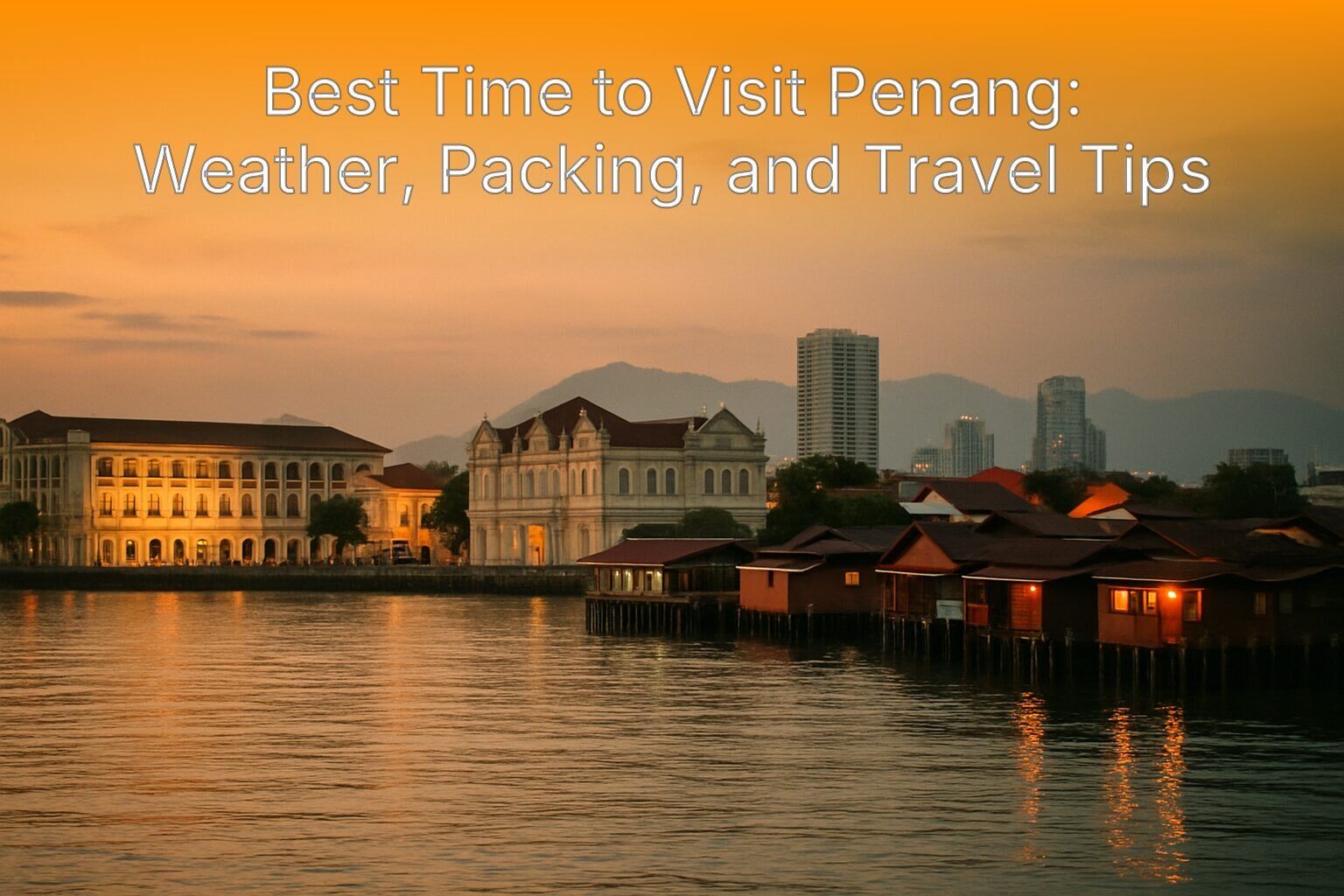
Penang is a tropical island state located on the northwestern coast of Peninsular Malaysia, renowned globally for its UNESCO-listed capital George Town, diverse culinary heritage, and vibrant multicultural history. Often called the "Pearl of the Orient," it serves as a premier destination for food enthusiasts, history buffs, and beachgoers alike, offering a unique blend of Southeast Asian cultural influences.
Before you start mapping out your itinerary, understanding the fundamental layout of the island helps. Penang is effectively divided into two distinct zones: the bustling mainland city of Seberang Perai (accessible via the famous Penang Bridge) and Penang Island itself, where the vast majority of tourist activities take place. Most travelers spend their time on the eastern side of the island in George Town, where centuries-old colonial buildings stand shoulder-to-shoulder with modern street art, ancient temples, and some of the best hawker centers on the planet.
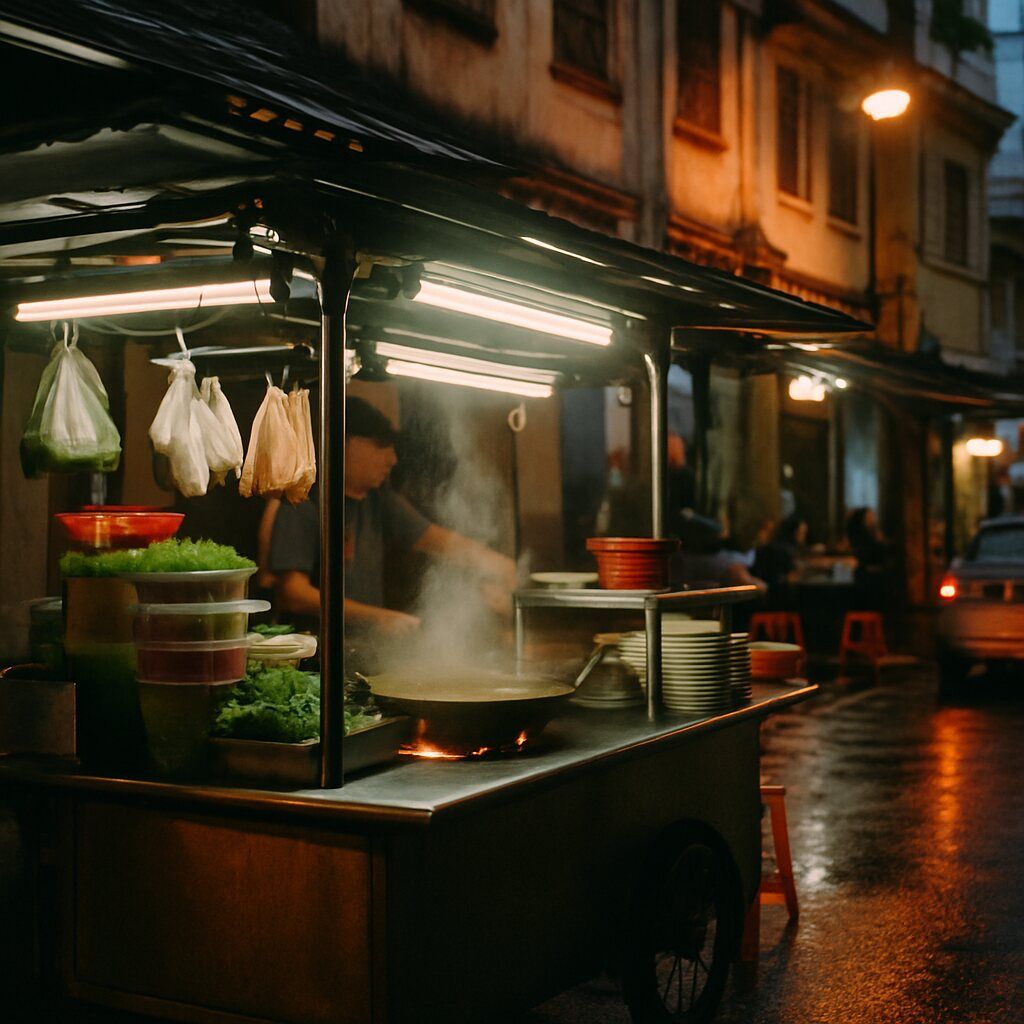
The island's cultural fabric is woven from Malay, Chinese, Indian, and British colonial heritage. This diversity is most evident in the local cuisine. You will find dishes like Char Kway Teow (stir-fried flat noodles), Assam Laksa (a tangy, spicy fish broth noodle soup), and Nasi Kandar (rice flooded with various rich curries) served at almost every corner. According to Lonely Planet's guide to Penang street food, the island is widely considered the street food capital of Malaysia, making it a mandatory pilgrimage for anyone who loves to eat.
Beyond the culinary scene, Penang offers lush tropical rainforests, pristine beaches along the northern coast in Batu Ferringhi, and historical landmarks like the Cheong Fatt Tze Blue Mansion and Fort Cornwallis. The island operates at a relaxed pace, but navigating its narrow, winding streets—especially during peak traffic hours—requires patience and a solid plan.
When Is the Best Time to Visit Penang?
The best time to visit Penang is during the dry season, which runs from December through February. During these months, the island experiences lower humidity, minimal rainfall, and consistent sunshine, creating the perfect conditions for exploring outdoor UNESCO heritage sites, relaxing on the beaches of Batu Ferringhi, and walking through the bustling hawker centers without overheating.
December to February is the peak tourist season for a reason. The Northeast Monsoon has usually passed by late November, leaving behind clear blue skies and a gentle breeze. Daytime temperatures hover comfortably between 25°C and 31°C (77°F to 88°F). This is the ideal window if your itinerary involves heavy walking—specifically exploring the street art trails of George Town or hiking through the Penang National Park. For official planning context, check World Meteorological Organization climate guidance.
If you prefer fewer crowds and slightly lower hotel rates, the shoulder months of November and March offer a great compromise. You might experience occasional afternoon showers, but they rarely last more than an hour. March is particularly pleasant because the post-holiday crowds have thinned out, allowing you to secure tables at popular hawker stalls like Kek Seng or Line Clear without a long wait. For official planning context, check Time Out travel guides.
For budget-conscious travelers, the Southwest Monsoon season from May to September presents the cheapest window for accommodation and flights. While this period brings higher humidity and sporadic rain, the showers are often brief and predictable. The sea conditions during these months are usually calm enough for water sports, making it a favored time for scuba diving and snorkeling around the nearby islands. You can read more about general travel timing strategies in our guide to the best day of the week to book flights to maximize your savings.
What Is the Weather Like in Penang by Season?
Penang features a tropical rainforest climate characterized by high humidity, warm temperatures averaging 27°C to 32°C year-round, and distinct wet and dry periods influenced by the monsoon cycles. The island does not have four traditional seasons; instead, it experiences a dry season, a transitional shoulder season, and two distinct monsoon periods that dictate rainfall levels.
Understanding the monsoon patterns is the most critical aspect of planning your trip. The weather dictates everything from ferry schedules to the availability of certain outdoor attractions. Below is a breakdown of what you can expect during each seasonal phase.
Dry Season (December to February)
This is the golden window for visiting Penang. Rainfall drops significantly, and the skies remain mostly clear. The reduced humidity makes walking around the UNESCO World Heritage Zone of George Town much more comfortable. Sea conditions are generally calm, making it an excellent time for island-hopping tours or taking the funicular railway up to Penang Hill. Because of the ideal conditions, this is when the island sees the highest influx of international tourists, so booking accommodations well in advance is essential.
Shoulder Seasons (March to April, October to November)
These transitional months bridge the gap between the dry and wet extremes. March and April begin to see a slight uptick in temperature and humidity, with brief, heavy afternoon thunderstorms becoming more frequent. October and November mark the arrival of the Northeast Monsoon, bringing heavier and more prolonged rainfall. The shoulder seasons are a gamble—you might enjoy a week of uninterrupted sunshine or face three days of grey skies and torrential rain. The advantage of traveling during these months is the noticeable drop in tourist traffic and the availability of discounted luxury accommodations.
Southwest Monsoon (May to September)
Contrary to what many expect, the Southwest Monsoon is not a washout. Rainfall during this period is moderate, typically occurring in short, intense bursts during the late afternoon or evening. Mornings are often sunny and hot, with temperatures frequently climbing above 32°C (90°F). The high humidity can make midday exploration feel exhausting, so planning your itinerary around early morning sightseeing and late afternoon culinary tours is the smartest approach. The waters around Penang remain relatively calm during this period, which is why it remains a popular time for regional travelers.
| Season | Months | Avg. Temp | Rainfall Level | Tourist Volume |
|---|---|---|---|---|
| Dry Season | December - February | 25°C - 31°C | Low | High |
| Shoulder Season | March - April | 26°C - 33°C | Moderate | Medium |
| Southwest Monsoon | May - September | 27°C - 32°C | Moderate | Low to Medium |
| Shoulder / Northeast Monsoon | October - November | 26°C - 31°C | High | Low |
What Should You Book Before Visiting Penang?
Before arriving in Penang, you should book your accommodation, intercity transportation (like flights or the ETS train from Kuala Lumpur), and any highly-rated guided food tours. Securing these elements in advance ensures you avoid sold-out hotels during the peak December to February season and guarantees smooth logistics upon arrival.
Penang's popularity means the best boutique hotels and heritage guesthouses in George Town fill up quickly, especially around major holidays like Chinese New Year and Christmas. If you plan to visit during these peak weeks, aim to lock in your accommodation at least three to four months ahead. The most sought-after stays are the restored heritage buildings within the UNESCO zone, where inventory is naturally limited.
Transportation is another critical factor. Many travelers fly directly into Penang International Airport, but taking the KTM ETS train from Kuala Lumpur is a highly scenic and comfortable alternative. Train tickets sell out fast on weekends and public holidays, so booking your seats online a few weeks in advance is highly recommended. Once on the island, you do not necessarily need to book a rental car in advance, as ride-hailing apps like Grab are ubiquitous and affordable.
For activities, booking a guided food tour or a heritage walking tour ahead of time is a smart move. The best local guides have small group sizes to ensure a personalized experience, and their schedules fill up quickly. If you want to experience the famous Penang Hill funicular railway without waiting in a massive line, consider purchasing your tickets online through the official Penang Hill Corporation website before you leave your hotel.
Where Are the Best Areas to Stay in Penang?
Choosing the right neighborhood shapes your entire experience on the island. George Town is the undeniable center of culture, nightlife, and street food. Staying here puts you within walking distance of the Clan Jetties, Kapitan Keling Mosque, and hundreds of hawker stalls. It is the best base for first-time visitors who want to soak in the historical atmosphere.
If your priority is the beach, head north to Batu Ferringhi. This strip is lined with luxury resorts, water sports operators, and a bustling night market. It is perfect for families and travelers looking to unwind by the ocean, though you will need to rely on Grab or local buses to reach the dining hotspots in George Town. Tanjung Bungah offers a middle ground, providing quieter beaches and resort-style living while remaining just a short drive from the city center.
What Events and Festivals Should You Look Out For?
Penang's calendar is packed with vibrant cultural events that can elevate your trip from a standard vacation to an unforgettable cultural immersion. Timing your visit to coincide with one of these festivals requires extra planning, but the reward is well worth the effort.
- Chinese New Year (January/February): George Town explodes with lion dances, fireworks, and open-house celebrations. The atmosphere is electric, though accommodations reach premium pricing.
- Thaipusam (January/February): A spectacular Hindu festival featuring a massive procession from the city center to the Arulmigu Balathandayuthapani Temple (Waterfall Hill Temple). It is a visually stunning event that draws thousands of participants and spectators.
- George Town Festival (July/August): An annual month-long celebration of arts, culture, and heritage. The city hosts international theater performances, art installations, and live music, transforming the streets into a creative hub.
- Hari Raya Aidilfitri: Marking the end of Ramadan, this Muslim celebration features vibrant open-house traditions, incredible festive food, and beautifully decorated mosques. The exact dates shift annually based on the Islamic lunar calendar.
What Should You Pack for Penang?
You should pack lightweight, breathable clothing made from natural fabrics like cotton or linen, a high-quality travel umbrella, strong mosquito repellent, and comfortable walking shoes for Penang. The tropical climate demands moisture-wicking materials, while sudden downpours and uneven heritage-zone sidewalks require practical, durable accessories.
Packing for Penang is all about preparing for heat, humidity, and intermittent rain. Leave your heavy denim and thick synthetics at home. The key is to dress comfortably while respecting local customs, especially if you plan to visit religious sites. For more comprehensive packing strategies, check out our guide to smart packing for travel and airport security.
Essential Clothing and Footwear
Opt for loose-fitting tops, shorts, and sundresses. Because you will be walking extensively—whether hunting for street art or exploring the Botanical Gardens—comfortable footwear is non-negotiable. Leave the high heels and stiff boots at home. A sturdy pair of breathable walking sneakers or comfortable sandals will serve you best. Always carry a light scarf or shawl in your daypack. You will need it to cover your shoulders and knees when entering the many beautiful mosques, Buddhist temples, and Hindu shrines scattered across the island.
Rain and Sun Protection
A compact, UV-protective travel umbrella does double duty by shielding you from intense midday sun and sudden monsoon showers. Apply a broad-spectrum sunscreen (SPF 30 or higher) daily, and wear a wide-brimmed hat or sunglasses for extra protection. The equatorial sun is much stronger than it feels when a cool breeze blows off the Malacca Strait.
Daypack Essentials
Carry a small, secure daypack for your daily explorations. Stock it with the following items to ensure you are prepared for anything the island throws at you:
- Reusable water bottle: Stay hydrated in the heat; many hotels offer free refill stations.
- Portable power bank: Using maps and taking photos drains your battery quickly.
- Wet wipes and hand sanitizer: Essential for cleaning up after eating at street-side hawker stalls.
- DEET-based mosquito repellent: Dengue fever is present in tropical Malaysia, so protect yourself, especially during dawn and dusk.
How Can You Stay Connected While Traveling in Penang?
Travelers can stay connected in Penang by activating an eSIM before arriving, which provides instant mobile data without needing to locate a physical store or swap SIM cards. This digital approach allows you to use ride-hailing apps, digital maps, and translation tools the moment you land at Penang International Airport.
Having reliable mobile data in Penang is practically mandatory for a smooth trip. You will need it to book Grab rides, navigate the winding streets of George Town on Google Maps, and look up the operating hours for specific hawker stalls. Relying solely on public Wi-Fi is a gamble, as connectivity in heritage buildings can be surprisingly weak, and you do not want to be stranded without a map during a sudden downpour.
Using an eSIM plan is the most efficient way to secure connectivity. You can arrange everything digitally before your flight departs. If you want to understand the technical differences, you can read our detailed eSIM vs physical SIM comparison. With an eSIM profile, you avoid the hassle of finding a local telecom kiosk and dealing with language barriers upon arrival. You simply activate your plan and start exploring.
For your trip, you can explore flexible options and browse available Yoho Mobile eSIM plans. Unlike rigid prepaid tourist cards, Yoho Mobile lets you choose your exact destination, data allowance, and usage duration independently, giving you total control over your travel budget. Download the Yoho Mobile app on iOS or Yoho Mobile app on Android to manage your data directly from your phone. If you are new to this technology, you can try a free eSIM trial before you travel, and rest easy knowing Yoho Care emergency data service has your back if you run out of data unexpectedly.
Frequently Asked Questions
What is the best month to visit Penang for good weather?
The best months to visit Penang for dry, sunny weather are December through February. During this period, rainfall is at its lowest, humidity is slightly more manageable, and temperatures average between 25°C and 31°C, making it ideal for outdoor sightseeing and beach activities.
Does Penang have a monsoon season?
Penang experiences a Southwest Monsoon from May to September and a heavier Northeast Monsoon from October to November. The Northeast Monsoon brings the highest rainfall and can cause rough sea conditions, while the Southwest Monsoon is generally mild with occasional afternoon showers.
How many days do you need in Penang?
You need at least 3 to 4 full days to explore Penang comfortably. This allows two days for George Town's street art, food tours, and historical sites, one day for the beaches and national park, and a half-day for the Penang Hill funicular railway and surrounding attractions.
Is Penang too hot to visit in the summer?
Penang is hot year-round, but summer months (June to August) are very humid with temperatures often exceeding 32°C. It is not too hot to visit if you plan indoor activities during midday hours and stay hydrated, but expect frequent afternoon thunderstorms that can disrupt outdoor plans.
What area is best for tourists to stay in Penang?
The best area to stay depends on your travel style. George Town is best for culture, food, and heritage. Batu Ferringhi is best for beach resorts and night markets. Tanjung Bungah offers a middle ground with quieter beaches and easy access to the city center.
Do I need a visa to visit Penang?
Visa requirements for Penang follow standard Malaysian immigration rules. Many nationalities, including citizens of the US, UK, EU, Australia, and Canada, receive a 90-day visa-free entry for tourism. Always verify current requirements with official Malaysian immigration sources before your trip.