
Best Time to Visit Istanbul: A Seasonal Guide
You need to match your Istanbul travel dates to the conditions you can comfortably handle, from midsummer heat to winter rain and shorter outdoor days. Picking a poor fit can leave you paying more for crowded sightseeing or reshaping daily plans around uncomfortable weather. This guide compares seasonal and month-by-month conditions, crowd and accommodation patterns, and dates that need extra planning.
When should you visit Istanbul?
Late spring and early autumn are the strongest all-round periods for Istanbul, with comfortable walking conditions and fewer pressures than midsummer. Fixed school dates or a tighter budget may make summer or winter a better fit, so weigh your schedule, preferred weather and accommodation pressure.
The best time to visit Istanbul is usually from mid-April through May or from September into mid-October. These shoulder-season windows tend to suit travelers who want long sightseeing days without summer’s strongest heat or winter’s wetter rhythm.
That verdict isn’t universal. Families tied to school breaks may still prefer summer, while budget travelers can save by accepting colder and less predictable winter weather. Your ideal month depends on how much time you’ll spend walking, whether outdoor dining matters and how firmly your dates are fixed.
- Best overall conditions: Mid-April through May and September into mid-October.
- Best for long, lively evenings: June through August.
- Best for lower accommodation pressure: January and February outside festive periods.
- Best for flexible photographers: April, October and November, when changing light can produce atmospheric city views.
March to May brings mild sightseeing weather
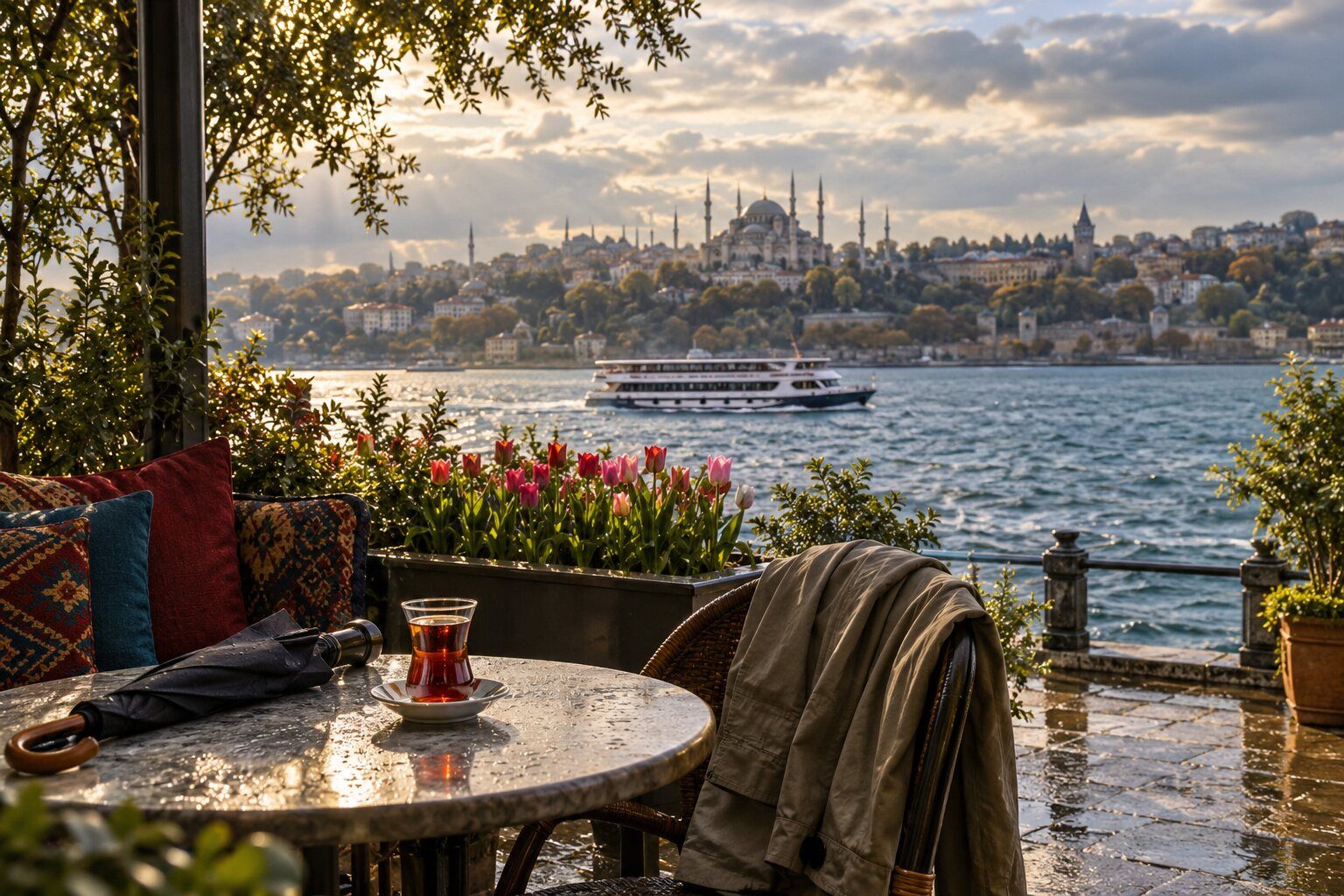
Spring becomes increasingly comfortable as Istanbul moves from changeable March weather into milder April and May days. Crowds and accommodation prices rise toward late spring, yet the season usually remains easier for walking than midsummer. Pack layers because mornings, sunny afternoons and waterside evenings can feel quite different.
March through May: Spring is Istanbul’s transition from cool, damp days to pleasantly warm afternoons. March can still feel wintery, especially beside the Bosphorus, while May often supports full days outside with only a light outer layer.
Crowds are generally moderate at the start of the season and busier by May. Accommodation follows the same pattern. Early spring can offer appealing rates, but popular weekends later in the season may cost noticeably more than nearby weekdays.
This is a strong window for first-time visitors because you can combine outdoor viewpoints, neighborhood walks, markets and indoor attractions without building the whole day around heat. Rain remains possible, so keep one flexible indoor block in each day’s plan.
- Choose March if lower costs matter more than reliable sunshine.
- Choose April for fresh seasonal color and moderate sightseeing conditions.
- Choose May if you prefer warmer evenings and don’t mind growing crowds.
June to August is warm, lively and busy
Summer suits travelers who want warm evenings, active waterfront areas and a full calendar of outdoor plans. It also brings heavier visitor traffic, stronger daytime heat and greater pressure on well-located rooms. Reserve central accommodation early and place demanding walks in the morning rather than the afternoon.
June through August: Istanbul feels energetic in summer, with busy terraces, active ferry routes and more people remaining outside after sunset. June is often the easiest summer month for sightseeing, while July and August can feel hotter and more crowded.
The city’s coastal setting brings breezes, but they aren’t dependable enough to plan around. Shade can also be limited on exposed streets. A relaxed schedule works better than a tightly packed route: start early, pause during the hottest part of the day and return outside later.
Summer accommodation prices tend to sit near the high end of the annual range, particularly in convenient historic or waterfront districts. Air conditioning, breakfast and cancellation terms are worth checking before you compare headline room rates. A cheaper room may offer poor value if heat or transport time interrupts your sleep and plans.
Families traveling during school holidays should pre-book major activities and keep a quiet afternoon option available. Children may handle a ferry ride or shaded meal better than another long uphill walk.
September to November rewards flexible travelers
Early autumn combines summer warmth with gradually easing crowds, making September and early October excellent for broad city itineraries. Later October and November are cooler, wetter and less predictable, but they can bring better room availability. This season works best when your schedule can move around short periods of rain.
September through November: September often feels like an extension of summer, while November points clearly toward winter. Between them, October is a useful middle ground for travelers who want active sightseeing without the strongest summer pressure.
Early autumn remains popular, so it shouldn’t automatically be treated as a bargain season. Prices often soften later, particularly on ordinary weekdays, but weather confidence falls at the same time. That exchange can be worthwhile for museum-focused trips or longer stays with spare time.
Autumn also asks more from your day bag. A sunny morning can become a damp and breezy afternoon, especially near the water. Carrying a compact waterproof layer lets you continue without returning to your accommodation.
- September: Warm, active and still fairly busy.
- October: Mild to cool, with a good mix of outdoor and indoor possibilities.
- November: Quieter and often cheaper, but less reliable for long outdoor days.
December to February offers quieter city days
Winter is the quietest broad travel season and can offer lower accommodation costs, especially after festive demand fades. Expect cool air, rain, wind and occasional wintry conditions rather than consistent postcard weather. It suits food, culture and indoor-focused trips more than itineraries built around uninterrupted outdoor sightseeing.
December through February: Istanbul winter is often damp rather than steadily snowy. Cold air feels sharper along exposed waterfronts, and early darkness shortens the comfortable window for long neighborhood walks.
The advantage is a calmer pace. Lines can be shorter, restaurants may be easier to book and centrally located accommodation can become more attainable. The city remains active year-round, so winter doesn’t mean attractions or local life disappear.
You do need a resilient schedule. Build each day around one priority, then add nearby options rather than crossing the city repeatedly. Wet weather and traffic can make ambitious transfers frustrating. Waterproof shoes matter more than carrying several fashionable outfits.
Late December can behave differently from the rest of winter because celebrations and holiday travel raise demand. If saving money is the goal, compare January and February dates after the festive period rather than assuming every winter week is equally inexpensive.
What is Istanbul weather like month by month?
Istanbul moves from cold, wet winter conditions into a changeable spring, a warm and busy summer, and a gradually cooler autumn. Month-by-month differences matter most for walking comfort, rain planning and room demand. The table below gives a practical pattern rather than a forecast for specific travel dates.
| Month | Typical weather feel | Crowd level | Accommodation pressure | Planning advice |
|---|---|---|---|---|
| January | Cold, damp and sometimes windy | Low | Low after festive travel | Prioritize indoor culture, food and compact daily routes. |
| February | Cool with unsettled weather | Low | Usually low | Keep waterproof layers ready and use flexible bookings. |
| March | Cool and changeable | Low to moderate | Beginning to rise | Plan outdoor walks around the daily forecast. |
| April | Milder with mixed sun and rain | Moderate | Moderate | Use layers and reserve popular weekend stays early. |
| May | Pleasantly warm on many days | Moderate to high | High | Allow full walking days but carry a light outer layer. |
| June | Warm with lively evenings | High | High | Start sightseeing early and book central rooms ahead. |
| July | Hot, bright and often dry-feeling | High | High | Use morning and evening for demanding outdoor plans. |
| August | Hot with warm nights | High | High | Confirm air conditioning and schedule afternoon breaks. |
| September | Warm, becoming gentler later | Moderate to high | Moderate to high | Good for mixed waterfront, food and walking itineraries. |
| October | Mild to cool and increasingly changeable | Moderate | Moderate | Pair outdoor priorities with nearby indoor alternatives. |
| November | Cooler, wetter and breezier | Low to moderate | Lower | Accept weather changes in return for a calmer city. |
| December | Cold, damp and dark earlier | Low, then busier around celebrations | Variable | Compare ordinary weeks with festive dates separately. |
Istanbul weather by month is a planning baseline, not a guarantee. Conditions can change within the same week, particularly in spring and autumn. Check the short-range forecast shortly before departure, then review it each morning before committing to a long cross-city route.
Which dates need extra planning in Istanbul?
Ramadan, Eid al-Fitr, Eid al-Adha and public holiday periods can affect restaurant rhythms, domestic travel demand, transport and opening hours. Their impact varies by neighborhood and venue. Check the calendar for your travel year, then confirm individual opening times instead of assuming the entire city follows one schedule.
Ramadan follows a lunar calendar, so its position moves across the seasons. Istanbul remains active during this period, yet daily rhythms may shift. Some restaurants become especially busy around the evening meal, and popular gathering areas can feel livelier after sunset.
Eid al-Fitr and Eid al-Adha deserve closer logistical attention. Domestic travel can rise, transport may be busier and some businesses can operate reduced hours. Other venues may attract larger local crowds because people have time away from work.
National holidays, major sporting fixtures and large cultural events can also influence particular districts without affecting the whole city. Check your accommodation area as well as the citywide calendar. A road closure near your hotel matters more than an event occurring far across Istanbul.
Respectful clothing is useful when visiting active places of worship in any season. During religious periods, patience around queues, prayer times and busy evening meals will make your visit smoother.
When is the cheapest time to visit Istanbul?
January and February are usually the strongest candidates for lower Istanbul accommodation prices once festive travel has ended. Late November and early March may also offer value. The saving comes with colder, wetter conditions, so compare flexible room rates and transport convenience rather than selecting the lowest nightly price alone.
The cheapest time to visit Istanbul is rarely one fixed week. Airfare, local events, public holidays and weekend demand can all move prices. Search a range of nearby dates and compare the total trip cost, not just the hotel.
Staying farther from the historic core may reduce the room rate, but repeated journeys can consume time and transport money. A modest room near a useful ferry, tram or metro connection may offer better practical value than a larger room in an inconvenient location.
For a shoulder-season compromise, look at March or November. These months can provide lower accommodation pressure than late spring or summer, while still giving you enough city activity for a satisfying break. Flexible cancellation is valuable because the forecast may influence how you structure each day.
If flights are the largest part of your budget, compare several departure days instead of relying on a booking myth. Our guide to the best day of the week to book flights explains why route demand and flexibility matter more than a universal calendar rule.
The strongest season for each type of traveler
First-time visitors usually get the easiest overall experience in late spring or early autumn. Budget travelers should examine winter, families may need early summer or school-holiday dates, and heat-sensitive visitors should avoid midsummer. Your daily pace and tolerance for rain matter more than a universal peak-season label.
- First-time visitors: Choose May, September or early October for a broad mix of walking, dining and waterfront time.
- Budget travelers: Compare January, February, late November and early March, avoiding holiday-driven peaks.
- Families: June can be easier than the hottest part of summer, though school dates may limit your options.
- Older travelers: Mild spring or autumn conditions can reduce heat strain, but select accommodation that avoids steep daily routes.
- Food-focused travelers: Any season works, with winter giving indoor meals a larger role and summer favoring terraces.
- Photographers: Spring and autumn provide changing skies and softer conditions, while winter can create atmospheric wet streets.
- Nightlife travelers: Summer offers the warmest late evenings, paired with greater demand and busier districts.
If you have only a weekend, reliable walking conditions deserve more weight because rain or heat can consume a large share of the trip. On a longer stay, you can accept a less predictable month and move activities between days.
Where to stay and what to pack
Stay near the sights or transport routes you expect to use most, particularly on a short visit. Pack for Istanbul’s hills, waterfront wind and seasonal rain rather than appearance alone. Comfortable shoes, adaptable layers and a compact weatherproof outer layer are useful through much of the year.
The historic side suits travelers who want early access to major cultural sights, while areas around Galata and the wider Beyoğlu district place dining and evening activity closer at hand. Asian-side neighborhoods can offer a more residential rhythm, but you should account for ferry or rail time when planning daily sightseeing.
Your packing list should match the season:
- Spring: Light layers, a compact rain shell and shoes that handle damp paving.
- Summer: Breathable clothing, sun protection, a refillable bottle and a light layer for breezy evenings.
- Autumn: Layered clothing, waterproof footwear and a small umbrella or rain shell.
- Winter: A warm waterproof coat, insulating layers and shoes with reliable grip.
Keep your day bag small enough for crowded transport and busy streets. Carry only what you’ll use before returning to your room. The daypack packing guide can help you trim unnecessary items, while the smart packing and airport security guide covers the departure side of the trip.
How should you stay connected in Istanbul?
Arrange mobile data before departure if your Istanbul plans depend on maps, ferry information, ride bookings or accommodation messages. An eSIM can provide travel connectivity without replacing a physical SIM, but your phone must support the technology and remain unlocked for compatible service.
Network reports can help you understand national performance, though they don’t guarantee identical service on every Istanbul street or inside every building. The Speedtest Global Index is a country-level reference rather than a seasonal travel forecast. Hills, dense walls, tunnels and local congestion can still affect your experience.
Device compatibility needs checking before purchase. Google’s official resource, Learn more about eSIMs - Pixel Phone Help, explains support for relevant Pixel models. Devices not compatible with eSIM will need another connectivity option, such as a physical SIM or carefully managed roaming.
If you need maps and messaging across a specific number of days, trip-specific control is more useful than a fixed bundle. Yoho Mobile lets you select Türkiye, choose your mobile data allowance and set the usage duration independently. You can review a Turkey eSIM plan that matches the length and intensity of your Istanbul itinerary.
Once you’ve chosen an eSIM plan, you can manage it through the Yoho Mobile app for iOS or the Yoho Mobile app for Android. Activate it according to the supplied instructions, and confirm which line your phone will use for mobile data before leaving home.
If this is your first time using the technology, the Yoho Mobile free eSIM trial offers a low-pressure introduction, while Yoho Care provides an emergency data service when an eligible plan runs out unexpectedly.
A practical booking verdict
Book Istanbul for May, September or early October if you want the most dependable balance of walking comfort, active city life and manageable seasonal pressure. Choose winter for savings, summer for warm evenings, or the edges of spring and autumn when flexibility matters more than stable weather.
The Istanbul shoulder season earns its reputation because it supports varied days. You can walk in the morning, cross the Bosphorus, stop for a long meal and continue into the evening without automatically planning around peak heat.
Still, no month removes every inconvenience. May and September can be busy, October can turn wet, and winter savings come with shorter outdoor days. Pick the season whose drawback bothers you least.
Before booking, compare nearby dates, check whether a religious or public holiday overlaps your stay and inspect the location of your accommodation on a transport map. Then build a schedule with one or two priorities per day rather than filling every hour. Istanbul is easier to enjoy when there’s room for weather, traffic and an unplanned meal to change the route.