
AI-Powered App Development in Dubai: How Smart Apps Are Changing Business in 2026
Planning a trip to Dubai in 2026 means stepping into a hyper-connected ecosystem where artificial intelligence dictates how you navigate, dine, and explore. Arrive unprepared for this digital infrastructure, and you risk spending half your vacation wrestling with spotty Wi-Fi, overpayying for basic navigation, or missing out on seamless smart-city perks that locals already enjoy. This guide breaks down exactly how AI apps are reshaping the city and shows you how to stay effortlessly connected so you can experience the best of Dubai without a single dropped signal.
What Should Travelers Know About AI-Powered App Development in Dubai?
Dubai has transformed into a global epicenter for artificial intelligence by embedding smart technology directly into its urban infrastructure. Through initiatives like the Dubai AI Seal and the Universal Blueprint for Artificial Intelligence, the city provides developers and businesses with direct access to government APIs and smart city data, accelerating the creation of next-generation mobile applications.
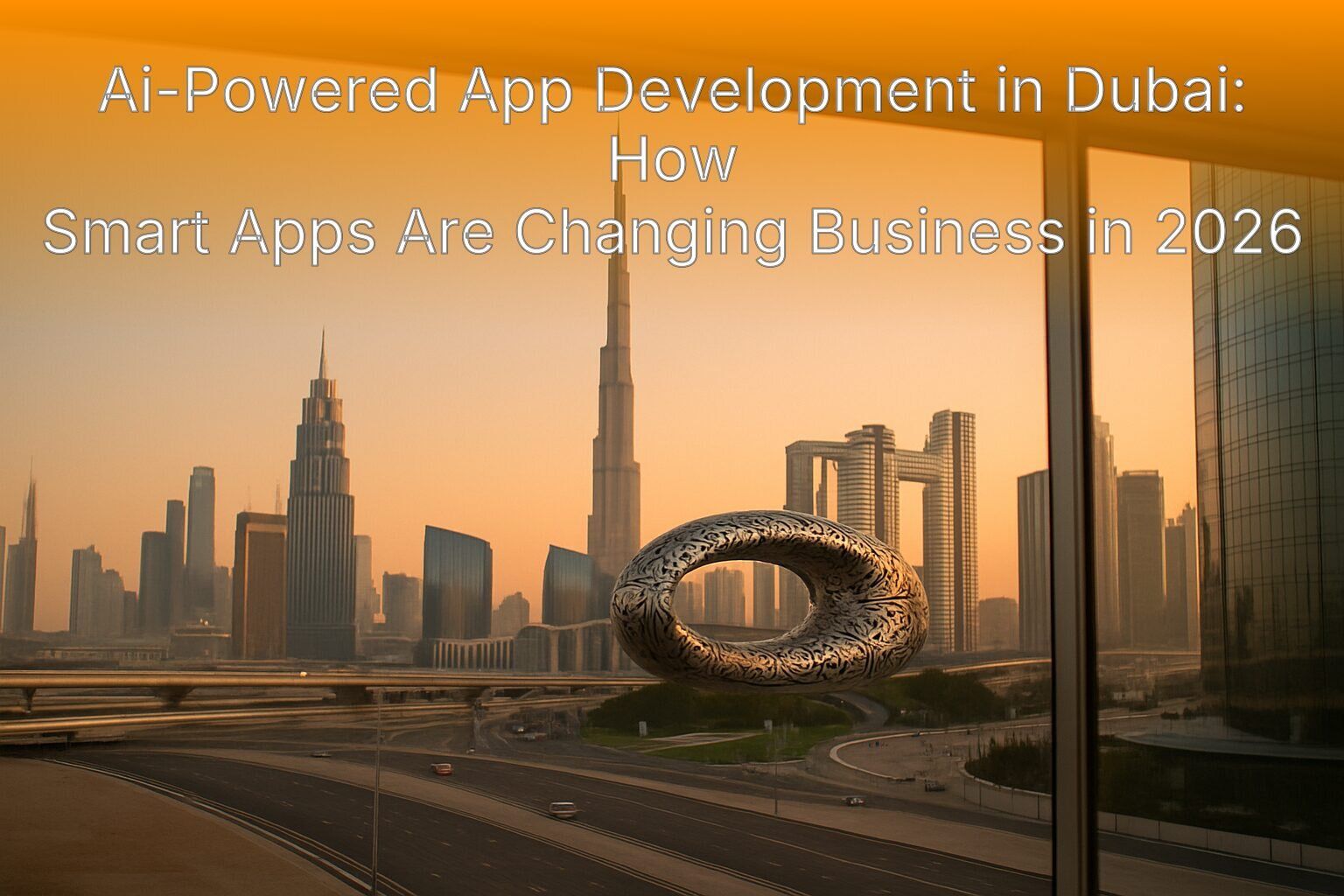
When we talk about AI-Powered App Development in Dubai: How Smart Apps Are Changing Business in 2026, we are really talking about a fundamental shift in how a city operates. The local government has mandated that artificial intelligence be integrated into daily public services. This means the apps built in and for Dubai are not just novelties; they are essential utilities. The city's leadership launched the official Dubai government portal to centralize these digital services, allowing residents and visitors to access everything from visa extensions to utility payments through unified smart platforms.
For travelers, this development creates a highly frictionless environment. You no longer need to stand in physical queues for tourist passes or struggle with language barriers when dealing with local services. The business landscape has adapted entirely to a mobile-first approach. Restaurants use AI for dynamic pricing and table management, transport authorities use it for predictive routing on the metro, and malls use it for personalized indoor navigation. Understanding this digital-first culture is the key to unlocking a smooth and futuristic travel experience in the city.
When Is the Best Time to Visit Dubai for Tech and Smart City Events?
The optimal time to visit Dubai for technology events and comfortable outdoor exploration is between October and April. During these months, temperatures range from 20°C to 30°C (68°F to 86°F), creating the perfect climate for walking between tech exhibitions, exploring outdoor smart city infrastructure, and enjoying the city's vibrant nightlife without the oppressive heat of the summer.
Dubai's climate dictates its event calendar. The summer months—from June to September—frequently see temperatures soar above 45°C (113°F). While the city is heavily air-conditioned and indoor attractions remain accessible, this season is better suited for shoppers and indoor entertainment enthusiasts. If your goal is to witness the latest in AI-powered app development and smart city tech, you want to be in town when the major exhibitions occur. For official planning context, check Time Out travel guides. For official planning context, check World Meteorological Organization climate guidance.
October and April are particularly exciting because they bookend the peak event season. GITEX Global, one of the largest technology exhibitions in the world, typically takes place in October. This event draws developers, startups, and tech giants who showcase the newest AI applications, many of which are designed specifically for the Dubai market. Visiting during this window allows you to see the technology in its infancy before it gets deployed across the city's infrastructure.
What Smart Apps and Things Should You Experience in Dubai?
Travelers in Dubai should experience AI-driven transport applications, real-time translation tools, and smart booking platforms that manage everything from restaurant reservations to museum tickets. These applications rely heavily on constant mobile data connectivity to process information and deliver instantaneous, personalized results.
Dubai offers a masterclass in how smart apps can enhance a vacation. Here are the core app categories and use cases you should integrate into your itinerary:
- Transport and Navigation: The RTA Dubai app is essential. It uses AI to plan your journeys across the metro, tram, buses, and marine transport. It provides real-time arrival predictions and allows you to pay for rides directly using your smartphone. For ride-hailing, Hala Taxi integrates AI dispatch to minimize wait times.
- Translation and Dining: While English is widely spoken, AI translation apps are invaluable for reading Arabic menus in local eateries. Many Dubai restaurants now use AI-powered reservation systems that dynamically adjust table availability based on predicted dining durations.
- Bookings and Attractions: Apps like Headout or the official Dubai Calendar app use algorithms to suggest the best times to visit major attractions like the Burj Khalifa or the Museum of the Future to help you avoid peak crowds.
- Offline Backups: Always download offline maps in Google Maps before leaving your hotel. While mobile data is exceptionally reliable in Dubai, having a downloaded map of the metro system and your hotel area is a smart failsafe against unexpected battery drain.
Experiencing Dubai through these apps gives you a front-row seat to the practical results of the city's booming app development sector. You get to live like a local in a city optimized by artificial intelligence.
What Events and Festivals Define Dubai in 2026?
Dubai in 2026 is defined by a robust calendar of technology conferences, including GITEX Global and the World Government Summit, alongside cultural spectacles like the Dubai Shopping Festival. These events showcase the intersection of AI technology, global business networking, and traditional entertainment, drawing millions of international visitors.
The event landscape in Dubai is heavily supported by the city's smart infrastructure. When massive crowds descend upon the city for festivals, the local networks and applications are put to the test. The official Dubai Tourism board does an excellent job of centralizing these event schedules.
For tech enthusiasts, the World Government Summit is a major draw. It gathers global leaders, policymakers, and technology developers to discuss how AI and smart applications will shape the future of governance and urban living. Similarly, GITEX Global remains the premier stage for software developers to unveil new AI tools.
On the cultural side, the Dubai Shopping Festival (DSF) and Dubai Food Festival might seem purely recreational, but they are increasingly driven by smart apps. During DSF, apps provide digital raffles, interactive mall maps, and personalized discount notifications based on your location and shopping preferences. Attending these festivals allows you to see how AI-powered app development bridges the gap between high-tech business solutions and everyday consumer entertainment.
Where Are the Best Areas to Stay for a Tech-Savvy Trip?
The best areas to stay for a tech-savvy trip are Downtown Dubai, Dubai Marina, and Business Bay. These neighborhoods offer the highest concentration of smart hotels, seamless public transport integration, and robust digital infrastructure, ensuring that your AI-powered apps and mobile connectivity perform flawlessly throughout your visit.
Choosing the right neighborhood directly impacts your ability to leverage the city's smart apps. Downtown Dubai is the epicenter of the city's technological showcase. Staying here puts you within walking distance of the Dubai Mall, the Burj Khalifa, and the Museum of the Future. Hotels in this area often feature smart room controls, robotic concierges, and ultra-fast fiber internet as standard amenities.
Dubai Marina is another excellent choice, particularly for travelers who want a walkable outdoor experience. The Marina Walk is packed with restaurants that utilize smart ordering systems, and the nearby tram system connects you effortlessly to the larger metro network. Business Bay offers a slightly more modern, corporate vibe with sleek, newly developed hotels that heavily integrate app-based services for check-in, room service, and climate control.
Staying in these central hubs means you are always within a few minutes of a metro station or a ride-hailing pickup point, making it incredibly easy to test out the latest transport and navigation applications developed in the city.
What Should You Pack for a Smart City Vacation?
Packing for a smart city vacation in Dubai requires a focus on keeping your devices powered and connected. You should bring a high-capacity power bank, a universal travel adapter (Type G plugs), lightweight and breathable clothing, and an unlocked smartphone that supports modern digital connectivity standards.
Since your entire experience in Dubai—from navigating the metro to translating menus and booking attraction tickets—will rely on your smartphone, battery preservation is critical. A 10,000mAh power bank is a non-negotiable packing item. You will be using your screen constantly, which drains power rapidly.
Clothing in Dubai should be light and breathable due to the heat, but you must also pack layers. The air conditioning in malls, hotels, and conference centers is notoriously strong. A light sweater or jacket will save you from freezing indoors. For a comprehensive breakdown of what to bring, check out our guide on smart packing for travel and airport security.
Most importantly, ensure your phone is unlocked and ready for digital network activation. This is the single most important piece of "gear" you carry. Without a reliable way to access mobile data, your smart city apps are rendered useless the moment you leave your hotel Wi-Fi.
How Do You Stay Connected With Mobile Data in Dubai?
To stay connected in Dubai, travelers should activate a digital mobile plan before arriving, ensuring immediate access to mobile data for smart apps, navigation, and bookings. This approach prevents the hassle of searching for airport Wi-Fi and guarantees that your AI-powered applications function the moment you land.
Using a traditional eSIM is the most efficient way to secure mobile data abroad. Unlike a physical SIM card that requires you to wait in line at a kiosk to swap tiny pieces of plastic, a digital profile is downloaded directly to your phone. If you are debating the merits of both options, our detailed eSIM vs physical SIM comparison breaks down the exact differences.
For a destination like Dubai, where you need constant data for ride-hailing, digital tickets, and real-time translation, trying to find a physical dubai tourist sim at the airport is a frustrating waste of time. Instead, you can arrange your connectivity before you even board your flight. With Yoho Mobile, you can freely choose your destination, data allowances, and usage duration without being locked into rigid, fixed plans. This flexibility is the core advantage of the Yoho Mobile platform. You can explore Yoho Mobile eSIM plans to find the exact data amount you need for your trip.
Getting started is simple. Download the Yoho Mobile app on iOS or Yoho Mobile app on Android to manage your plan. If you are new to this technology, you can try a free eSIM trial to see how it works, and rest easy knowing that Yoho Care emergency data service has your back if you ever run out of data unexpectedly.
What Practical Travel Tips Should You Follow in Dubai?
Practical travel in Dubai requires understanding local customs, navigating the metro system efficiently, and managing your mobile data settings to avoid unexpected roaming charges. Respecting the local culture while leveraging the city's digital infrastructure ensures a smooth, enjoyable, and cost-effective trip.
Dubai is incredibly welcoming to tourists, but it remains a conservative city. Dress modestly when visiting mosques or traditional neighborhoods like Al Fahidi. Public displays of affection should be minimal, and public intoxication is strictly prohibited. Understanding these cultural nuances is just as important as having the right smartphone apps.
When it comes to getting around, the Dubai Metro is your best friend. It is clean, fast, and heavily integrated with the RTA smart app. Buy a Nol card or use your phone's digital wallet to tap and go. Avoid driving during rush hour (7 AM to 9 AM and 5 PM to 7 PM) if you rent a car, as the traffic on Sheikh Zayed Road can be intense.
To avoid roaming charges, always double-check your phone's settings before you travel. Ensure that your primary domestic SIM has data roaming disabled, and that your new digital plan is set as the active line for mobile data. This simple step prevents bill shock when you return home. For more insights on how much data specific apps consume, our guide on Google Maps data usage is a helpful resource.
Frequently Asked Questions
What makes Dubai a global hub for AI-powered app development?
Dubai has integrated artificial intelligence into its core infrastructure through initiatives like the Dubai AI Seal and the Universal Blueprint for Artificial Intelligence. This ecosystem provides developers direct access to government APIs, smart city data, and a supportive regulatory environment that accelerates app deployment.
How are smart apps changing the daily tourist experience in Dubai?
Smart apps eliminate traditional travel friction by allowing tourists to navigate the metro, pre-book museum tickets, translate Arabic menus in real-time, and even hail autonomous aerial taxis. These applications rely on constant mobile data connectivity to function optimally.
When is the best time to visit Dubai for tech and AI events?
The best time to visit Dubai for technology events is during the cooler months from October to April. This period aligns with major tech conferences like the Dubai AI Assembly and GITEX Global, offering comfortable weather for exploring both indoor exhibitions and outdoor smart city infrastructure.
How much mobile data do I need in Dubai for smart apps?
For a standard one-week trip using smart apps for navigation, ride-hailing, and translation, 3GB to 5GB of mobile data is usually sufficient. If you plan to video call, stream media, or use high-bandwidth augmented reality applications, consider a 10GB or larger plan.
Can I use my phone normally in Dubai?
Yes, you can use your phone normally in Dubai, but you must ensure mobile data roaming is enabled in your device settings if you are using an eSIM. Voice calls and SMS will function through apps like WhatsApp, which is widely used for communication in the UAE.
Do I need a visa to visit Dubai?
Visa requirements depend on your nationality. Many countries are eligible for a free 30-day visa on arrival, while others must apply for a pre-arranged tourist visa. Check the official UAE government portal for the most current regulations before you travel.