
Hoi An Floods: A Traveler's Guide to Staying Safe with an eSIM
You can stay safe during Hoi An flood travel when you plan around water levels, follow local guidance, and keep reliable mobile data for alerts and coordination. Flooding can reshape your route fast, especially if you travel as a tourist in Hoi An during the rainy season. If you pair smart decisions with Vietnam eSIM for safety, you can respond quickly in a travel emergency Vietnam situation and still get internet in Vietnam when power or Wi-Fi becomes unreliable.
Ready for your trip? [Get a Vietnam eSIM plan from Yoho Mobile](https://yohomobile.com/buy?countries=VN
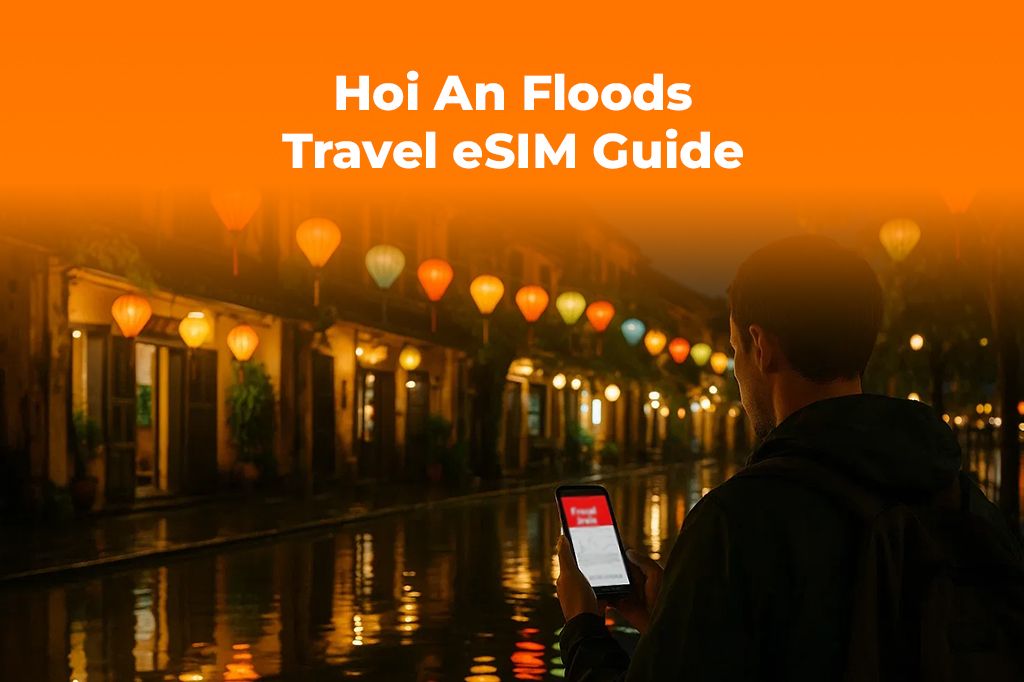
What Hoi An floods look like for travelers
Hoi An sits near the Thu Bon River, and seasonal rains can raise water levels quickly. For Hoi An flood travel, you will usually deal with flooded lanes, temporary road closures, and limited access to some riverside areas. Hotels often adapt well, but your day-to-day plans can change in hours, not days.
As a tourist in Hoi An, focus on two questions each morning and again before sunset:
- What does the weather forecast show for the next 12–24 hours?
- What do your accommodation and local authorities advise right now?
You also want a clear baseline for guidance. Start with an official Vietnam travel advisory from your government, then treat local instructions as your on-the-ground priority. For U.S. travelers, you can review the U.S. Department of State Vietnam travel information before and during your trip.
When you plan Hoi An flood travel, you reduce risk most by choosing flexible activities:
- Indoor museums, craft workshops, and cooking classes that still run in wet weather
- Cafes and coworking spaces on higher floors
- Photo routes that avoid riverbanks during peak rain
For heritage sightseeing, you can also bookmark the UNESCO page for Hoi An Ancient Town so you can confirm what areas may restrict access during severe conditions.
Why connectivity matters more than ever during flooding
Flood conditions create fast-moving information gaps. Wi-Fi can drop when storms knock out local power, and you might lose the ability to message your host, call a ride, or check route closures. That is why Vietnam eSIM for safety works so well for travelers who need steady data without hunting for a SIM shop.
You also need connectivity for common travel emergency Vietnam scenarios:
- You need to reroute around a closed bridge
- You need to coordinate with your accommodation about early check-in, late check-out, or a room move to a higher floor
- You need to contact your travel insurer or your bank if plans change
- You need to reach friends, clients, or collaborators if you create content on a schedule
If you want a simple backup you can set up before you land, you can get a Vietnam eSIM plan from Yoho Mobile and keep your data ready for Hoi An flood travel from the moment you arrive.
To keep your planning grounded, use two layers of information:
- A Vietnam travel advisory for broad safety and entry guidance
- Local updates from your accommodation and nearby businesses for real-time conditions
As a tourist in Hoi An, that mix helps you avoid rumors while still reacting quickly.
Step-by-step: set up your eSIM for flood-ready travel
Use these steps to build a reliable setup that supports Vietnam eSIM for safety and helps you get internet in Vietnam without delays.
-
Confirm your phone supports eSIM and is unlocked
Check your device settings for an eSIM option, and confirm your carrier unlocked your phone. This step prevents last-minute surprises when you need fast access during Hoi An flood travel.
-
Choose a plan that matches your data habits
If you create videos, upload reels, or work remotely, you will use more data. If you mostly message and navigate, you can use less. When you plan for Vietnam eSIM for safety, prioritize coverage and reliability over the lowest possible data amount.
-
Install the eSIM before you arrive
Install your plan while you have stable Wi-Fi, ideally at home. If you wait until you face bad weather, you risk setup delays right when you need connectivity in a travel emergency Vietnam moment.
-
Turn on the eSIM line and set it for data
In your cellular settings, select the eSIM line for mobile data. Keep your primary line for calls if you prefer, but make sure the eSIM handles the data traffic so you can get internet in Vietnam even if your primary line has roaming limits.
-
Build your “flood kit” on your phone
Download what you need before storms hit:
- Offline maps for your area and saved locations for your hotel, clinic, and meeting points
- Key documents in a secure cloud folder (passport photo page, insurance policy, flight details)
- A translation tool with offline packs
- A notes file with emergency contacts and your accommodation details
This preparation makes travel emergency Vietnam decisions faster because you do not scramble for basics while water rises.
-
Test your setup with real actions
Do a quick test while you still have options:
- Send a message to your host on your preferred app
- Load a map route to a higher-elevation cafe
- Check your bank app and your email
If everything works, you can trust your setup when Hoi An flood travel conditions turn unpredictable.

What to do if flooding disrupts your day
If water starts rising or your route looks risky, choose caution and clarity. As a tourist in Hoi An, you will often benefit from staying put for a few hours rather than trying to outsmart a storm.
Use this simple response plan for Hoi An flood travel:
-
Pause and reassess your location
- Move away from riverbanks and low-lying streets
- Avoid walking through moving water, especially at night
-
Contact your accommodation and follow local instructions
Staff often know which streets stay passable. With Vietnam eSIM for safety, you can message quickly and confirm whether your room, entrance, or nearby roads remain safe. -
Reroute using reliable navigation
Flooding can block a street that looked fine 30 minutes earlier. Mobile data helps you check alternate routes and coordinate pickups so you still get internet in Vietnam when conditions shift. -
Keep your essentials protected
Put your phone in a waterproof pouch or a zip bag. Keep a portable charger handy. During Hoi An flood travel, your phone becomes your safety tool, not just a camera.
If you face a true travel emergency Vietnam situation, call local emergency services. Vietnam commonly uses:
- 113 for police
- 114 for fire and rescue
- 115 for ambulance
Save these numbers before you need them, and keep them in your notes file.
Smart choices that lower your flood risk
You can make a few decisions that reduce stress throughout your trip.
Choose accommodation with flood awareness
- Ask if the property has experienced flooding before
- Confirm whether rooms on higher floors stay accessible
- Request guidance on the safest routes nearby
Plan your transport with flexibility
- Avoid locking yourself into tight transfers during heavy rain windows
- Build buffer time if you need to catch a flight the next day
Set expectations with work and clients
If you work remotely, tell your team you may face weather disruptions. Vietnam eSIM for safety helps you stay responsive, but you should still plan for occasional slowdowns.
Stay aligned with official guidance
Read a Vietnam travel advisory before you travel, and check it again if severe weather increases. Then rely on local direction for immediate actions. This balance helps Hoi An flood travel stay manageable even when news spreads fast.
Real-world examples you can learn from
You might hear two very different traveler stories in Hoi An.
One traveler treats flooding like a minor inconvenience, heads out anyway, and loses time backtracking when streets close. They waste battery, miss updates, and struggle to reach their host. This is common for a tourist in Hoi An who expects the day to follow the plan.
Another traveler stays flexible, checks updates, and keeps data ready. They pick a higher-floor cafe, confirm closures with their accommodation, and shift their itinerary without drama. They protect their gear, keep clients informed, and avoid risky routes. That traveler usually planned Hoi An flood travel with a stronger connectivity setup, including Vietnam eSIM for safety, so they could get internet in Vietnam without depending on fragile Wi-Fi.
Key takeaways to keep you safe
- Treat Hoi An flood travel as a planning problem, not a panic moment
- Follow local guidance first, then cross-check with a Vietnam travel advisory
- Prepare your phone for a travel emergency Vietnam scenario before storms hit
- Use Vietnam eSIM for safety so you can message, navigate, and adjust quickly
- If you are a tourist in Hoi An, avoid riverbanks and low streets when water rises
- Protect your phone and power so you can still get internet in Vietnam when you need it most
FAQs
-
What months are riskiest for Hoi An flood travel?
Rain patterns vary each year, but you should expect higher flood risk during Vietnam’s wetter season and stay flexible with outdoor plans. -
What should a tourist in Hoi An do first when streets flood?
Move to a safer, higher area, contact your accommodation for local guidance, and avoid walking through moving water. -
How does Vietnam eSIM for safety help during flooding?
It gives you reliable mobile data for navigation, messaging, and updates when Wi-Fi fails, which matters most during fast-changing conditions. -
What belongs in a travel emergency Vietnam phone checklist?
Offline maps, cloud-stored documents, emergency numbers, a translation tool, and a charged power bank. -
How can you get internet in Vietnam if your hotel Wi-Fi goes out?
Use mobile data through an eSIM plan so you can stay connected even during local power or router outages.
Conclusion
If you plan ahead, follow local guidance, and protect your connectivity, you can handle Hoi An flood travel with calm and control. When you want dependable data for Vietnam eSIM for safety, you can get a Vietnam eSIM plan from Yoho Mobile and keep your maps, messages, and updates working wherever you go.
আরও নির্বাচিত ভ্রমণ টিপস
Business in Vietnam: Why an eSIM is Essential for Expats & Travelers
আরও পড়ুনTravel TipsFlooding in Vietnam: A Tourist's Guide to Staying Safe & Connected
আরও পড়ুনFestivals & EventsThailand vs Vietnam Futsal: eSIM Guide for Sports Fans Traveling
আরও পড়ুনTravel GuidesFlying Vietjet to Vietnam? Get Yoho Mobile eSIM for Instant Data
আরও পড়ুনDestination GuidesHanoi Monsoon Travel: Stay Connected with a Vietnam eSIM
আরও পড়ুন