
Travel Scams in SE Asia: How an eSIM Can Keep You Safer
Staying connected with an eSIM helps protect you from common travel scams in Southeast Asia by giving you reliable internet, verified navigation, and secure communication whenever you need it. When your phone stays online, you avoid misinformation, confirm prices, and access help instantly. Ready to feel safer on the road? Activate your eSIM before you travel and enjoy smarter movement across borders.
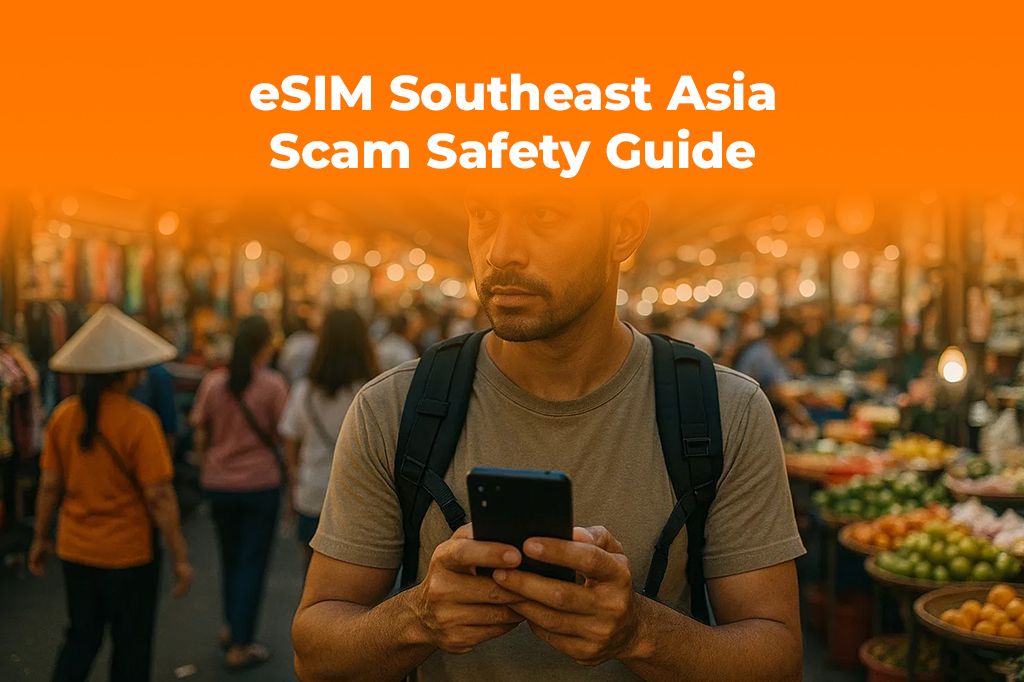
Why Travel Safety in Southeast Asia Starts With Connectivity
Your phone becomes your protection tool when you explore new cities, and understanding what an eSIM card is gives you better control over that protection. As outlined by the GSMA, eSIM technology lets you download mobile profiles without visiting stores, which protects you from unverified sellers and SIM-swapping risks.
Travel safety Southeast Asia awareness helps you dodge scams, but you need steady internet to verify maps, bookings, and ride prices. This works better with eSIM because you avoid sketchy shops selling counterfeit SIMs or asking for your passport in unsafe ways. Many travelers report losing money after buying faulty SIMs in markets, so choosing a digital profile reduces the risk.
When you land in Bangkok, Hanoi, or Phnom Penh, you want control and clarity. Cities like Phnom Penh share tourism resources through the Cambodia official tourism site, and access helps you confirm genuine operators. With an eSIM, you get faster security signals, contact embassy info, and check review platforms.
Why eSIM vs Physical SIM Scams Matter on the Road
You hear stories of travelers overpaying for SIM cards, buying inactive numbers, or handing passports to unknown vendors. Using eSIM removes touchpoints for these scams because no third-party shop controls your access. You choose your data plan online, and you install it safely.
Travelers who explore backpacker hubs often mention that vendors push overpriced temporary SIMs. They sometimes unlock your phone or handle it unsafely, exposing private information. By activating eSIM ahead of time, you skip those interactions and focus on trusted travel safety Southeast Asia habits.
The benefit goes beyond convenience. Digital nomads who use eSIM avoid tampering risks and access secure networks more easily.
How Using eSIM Improves Secure Internet While Traveling
Safe travel requires reliable access. You confirm hotel arrangements, verify ride routes, and check translation apps privately. With stable internet, scams like inflated taxi fares or fake tour prices lose power because you compare instantly.
Here is how eSIM protects you:
- No dependency on street-side sellers
- You avoid unverified Wi-Fi networks
- You control activation
- You keep emergency resources available
- You verify booking platforms on demand
Frequent travelers mention improved confidence because they navigate busy markets and night streets with live map tracking. If you want instant access wherever you go, pick your Southeast Asia eSIM here so you avoid risky purchases abroad.
Step-by-Step: How to Activate Your Travel-Safe eSIM
Installing an eSIM strengthens secure internet while traveling because you skip passport scans, kiosk handling, and unpredictable store visits.
-
Check device compatibility
Make sure your phone supports eSIM. Yoho Mobile lists models inside guides like how Yoho Mobile works. -
Choose your region plan
Select your country or region. Many digital travelers pick Southeast Asia plans when crossing borders. -
Purchase safely online
You avoid street vendors and get your QR code remotely. -
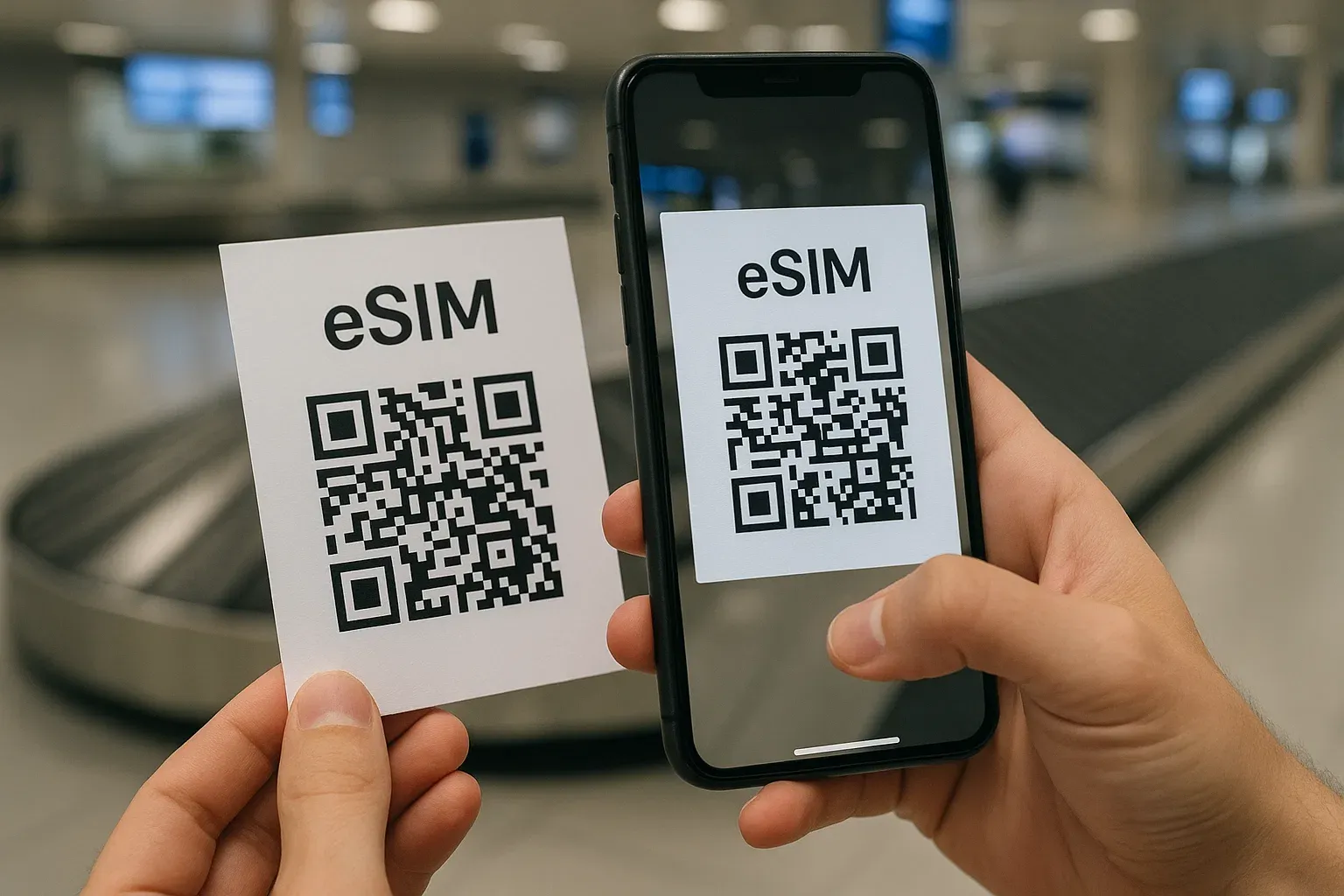
Scan your QR code
The profile downloads to your device instantly. -
Enable roaming
You activate when you land, giving you secure data before leaving the airport.
This five-step flow helps you move safely without contacting unknown sellers. You also learn your settings in advance so you troubleshoot privately.
Common Scams You Avoid With eSIM
SIM-Swap Fraud
Some scammers take your physical SIM and replace it with another. An eSIM eliminates this because no card changes hands.
Fake SIM Vendors
People sell expired or unregistered cards to tourists. Digital activation stops you from being fooled.
Roaming Upcharges
Many travelers face surprise fees when they ignore setup steps. If you use a regional plan, you avoid roaming scams and control your spending.
Fake Wi-Fi Networks
In some capitals, scammers create free networks to capture data. When you use mobile data instead, your traffic stays private.
Stories from first-time travelers show that local taxis sometimes exaggerate prices if you claim you do not know the route. Maps and real-time price checks prevent this, supporting your travel safety Southeast Asia mindset.
Cambodia Travel Tips With eSIM
Cambodia attracts travelers to Phnom Penh, Siem Reap, and Angkor Wat. With an eSIM, you avoid buying unregistered SIMs in small kiosks that require your passport. You also protect banking apps with mobile data rather than public Wi-Fi.
Tourism resources from the Cambodia Ministry of Tourism site give reliable regional advice. You confirm official ticket prices for temples or transport, which stops guides from inflating costs. These Cambodia travel tips work better when your device stays connected.
Why eSIM Helps You Avoid Roaming Scams Across Borders
Cross-border trips between Thailand, Cambodia, and Vietnam often trigger roaming fees if you rely on physical SIMs. A regional eSIM lets you cross seamlessly without paying extra. This avoids inflated airport counter offers or unverified storefront deals.
Travelers exploring backpacker circuits say they cross borders multiple times each month. With digital profiles, they avoid SIM stacking, physical swaps, and confusion over plans. If you want a smoother route through markets, borders, and major hubs, you can pick your Southeast Asia eSIM here and control your data from day one.
More Ways an eSIM Boosts Safety
- You call embassy numbers instantly
- You load translation tools fast
- You share your live location
- You avoid fake QR Wi-Fi scams
- You review drivers and bookings in real time
These simple actions lower risk, especially in busy cities. The ability to confirm facts and pricing gives you leverage.
Stories from Travelers
A couple traveling through Vietnam shared that they trusted their eSIM because ride apps prevented taxi scams. A solo traveler in Cambodia used their connection to find safe hotels after their original booking failed. A digital nomad in Bali kept work contracts secure because they never used public Wi-Fi.
When exploring Angkor, backpackers shared hotel tips via messaging instead of relying on tour vendors. You see how secure internet while traveling changes outcomes.
Concise Takeaways
- eSIM removes human touchpoints that scammers exploit
- You verify routes, bookings, and prices instantly
- You avoid data interception by skipping public Wi-Fi
- Digital activation keeps control in your hands
- Safety grows when you stay online everywhere
FAQs
Do I need Wi-Fi to install my eSIM?
You need a momentary connection, but once installed, you use mobile data independently.
Can I keep my number?
Yes, dual SIM mode allows both profiles.
Is an eSIM safer than a physical SIM?
Yes, eSIM vs physical SIM scams often favor digital because no card can be swapped or copied.
Will this help me avoid roaming scams?
Yes, proper regional plans prevent surprise charges.
Does it work well in Cambodia or Vietnam?
Yes, strong coverage supports popular destinations.
Conclusion
Safer travel in Southeast Asia depends on awareness, preparation, and reliable connectivity. Your eSIM gives you instant information and helps you avoid scams, stay confident, and move independently. Start your trip with peace of mind by choosing your Southeast Asia eSIM here and enjoy secure movement wherever you go.
আরও নির্বাচিত ভ্রমণ টিপস
ASEAN Integration: Travel Southeast Asia with One eSIM Plan
আরও পড়ুনeSIM ComparisonsBest eSIM for Southeast Asia 2026: A Backpacker's Review
আরও পড়ুনDestination GuidesHalloween in Vietnam? Get an eSIM for Your Southeast Asia Trip
আরও পড়ুনTravel RoutesThe Ultimate Southeast Asia Travel Guide
আরও পড়ুনDestination GuidesTimor-Leste & Southeast Asia eSIM for Travel & Business
আরও পড়ুন