
Things to Do in Cape Town: First-Timer Guide
Cape Town gives first-time visitors a real planning challenge: mountains, beaches, wine country, history, markets, and bold food neighborhoods all compete for the same few days. If you choose poorly, you can lose hours to weather closures, long transfers, or areas that feel less practical after dark. This guide helps you decide what to prioritize, where to base yourself, how to shape a realistic Cape Town itinerary, and which travel habits make the city easier to enjoy.
How Should First-Time Visitors Think About Cape Town?
Cape Town works best when you plan by geography and weather, not only by attraction ranking. The city stretches between mountain, ocean, and residential neighborhoods, so a smart first trip groups nearby sights together and keeps flexible time for Table Mountain, beaches, and coastal drives.
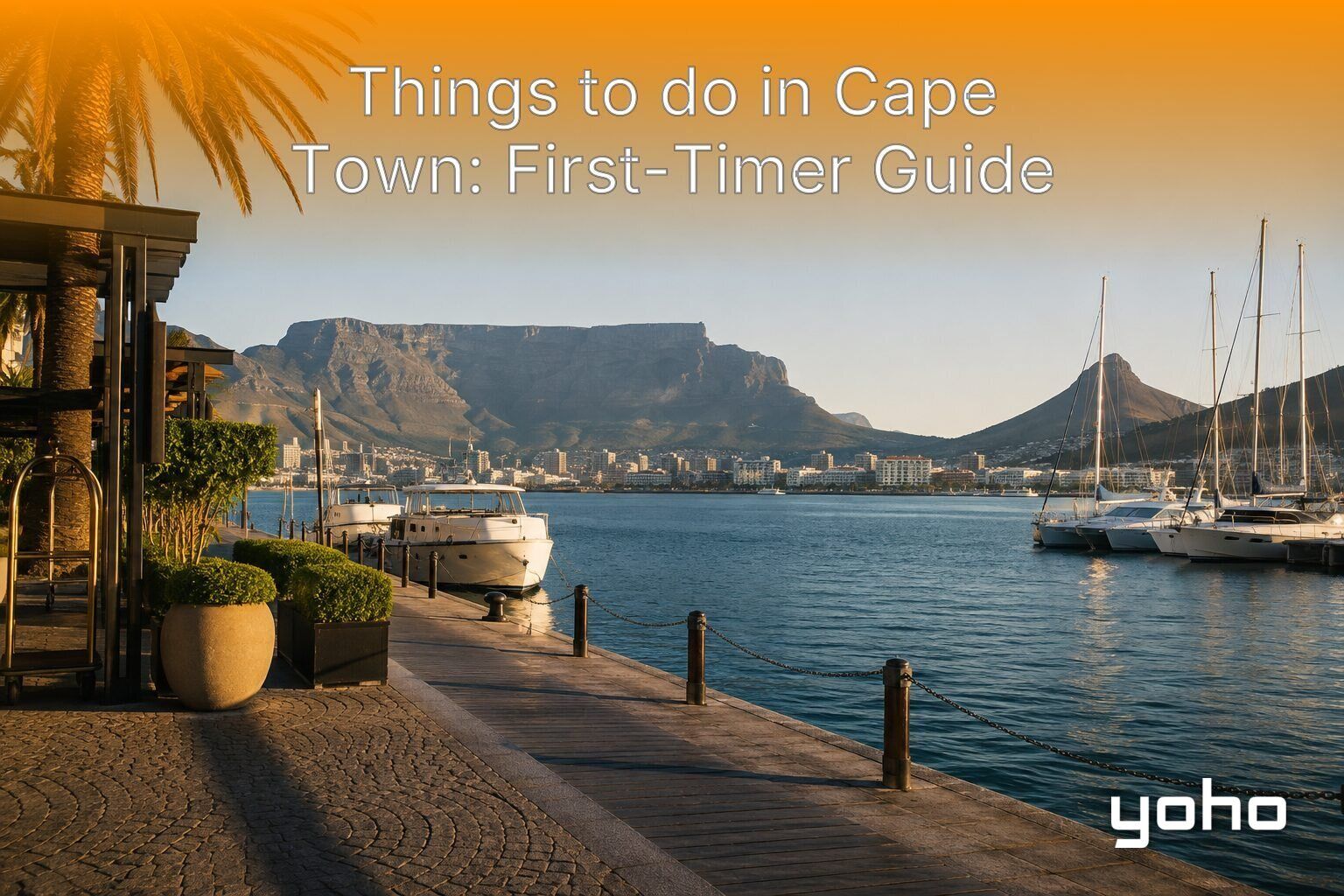
Cape Town is not a city where every major stop sits around one central square. Table Mountain rises directly above the urban bowl, the V&A Waterfront faces the harbor, Camps Bay and Clifton sit on the Atlantic side, and the Cape Peninsula pulls you south toward beaches, cliffs, and penguins. For a Cape Town first time visitor, the main planning skill is pairing places that fit naturally on the same day.
Think of the city in clusters. The City Bowl, Bo-Kaap, Company’s Garden, and District Six Museum can sit together in one half day. Table Mountain and Lion’s Head pair well with nearby Kloof Street or Camps Bay. The V&A Waterfront, Robben Island ferry, and Sea Point Promenade are convenient together. Boulders Beach, Kalk Bay, Muizenberg, Chapman’s Peak Drive, and Cape Point belong to a longer peninsula day.
Weather matters more than many visitors expect. Wind can close the Table Mountain Aerial Cableway even on a sunny day, and summer afternoons on exposed beaches can feel much windier than the morning forecast suggests. If the mountain is clear when you wake up, consider moving it to the top of your day rather than saving it for later.
Budget your time around meals, movement, and sunset. Cape Town rewards slow pockets of time: coffee in Gardens, seafood in Kalk Bay, a beach walk in Clifton, and sunset on Signal Hill. A strong Cape Town travel guide should leave room for those moments rather than filling every hour with transfers.
Which Iconic Sights Should Be on Your Cape Town Itinerary?
The essential first-time sights are Table Mountain, Robben Island, Bo-Kaap, Kirstenbosch, the V&A Waterfront, and the Cape Peninsula. These places combine scenery, history, food access, and practical visitor infrastructure, making them the best places to visit in Cape Town when time is limited.
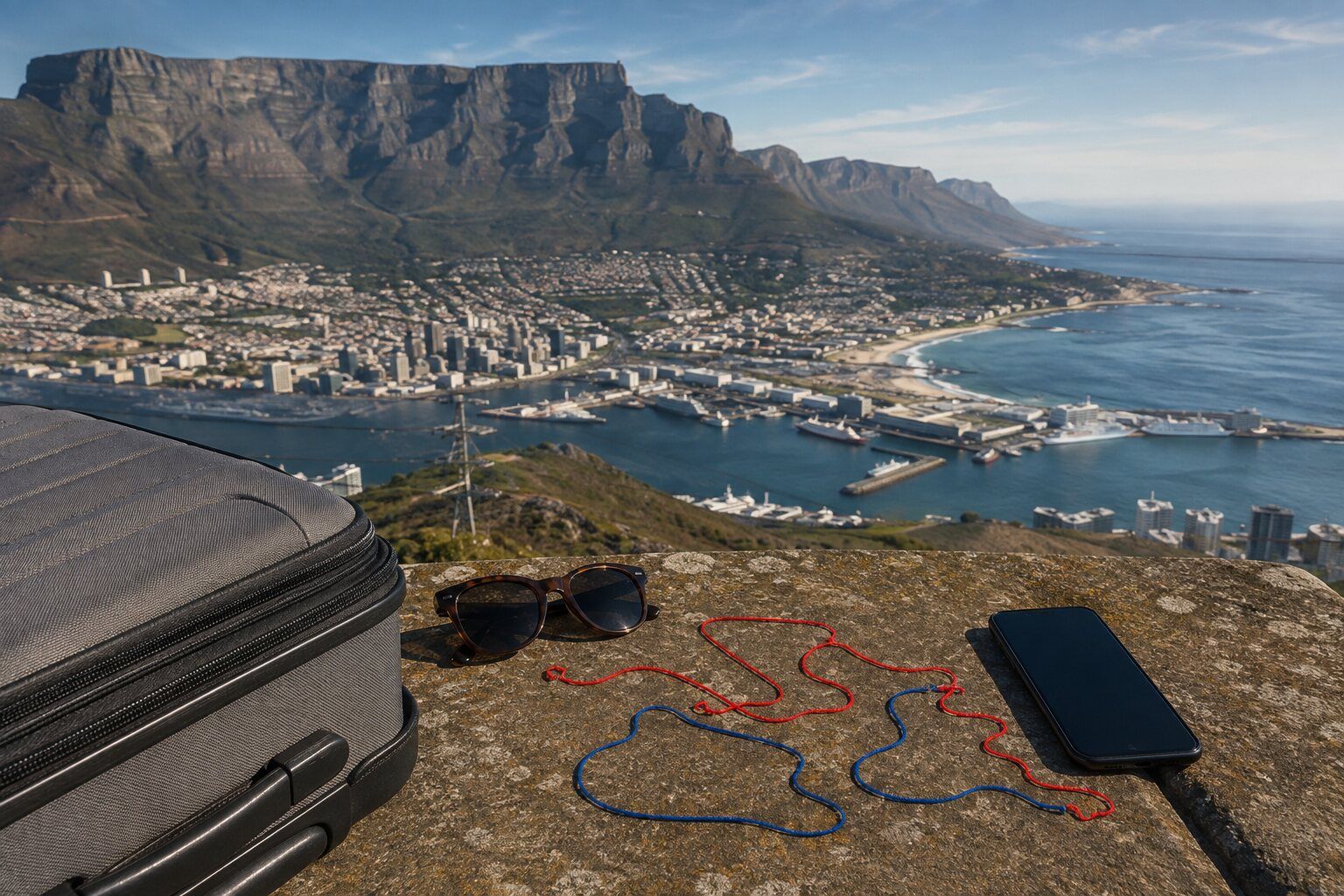
Start with Table Mountain because it defines the city visually and logistically. The summit gives you a clear sense of Cape Town’s layout: the harbor, City Bowl, Atlantic coastline, and distant peninsula all fall into place from above. Go early, watch the cableway status, and bring a light layer even if the city below feels warm.
- Table Mountain Aerial Cableway
- Hours: usually opens in the morning and closes between late afternoon and evening, depending on season and weather.
- Entry price: return cableway tickets often cost several hundred South African rand for adults; book online and check same-day rates.
- Transport: use a rideshare or the MyCiTi bus route toward the Lower Cableway Station; parking can be tight in peak periods.
- Robben Island
- Hours: ferries typically run from the V&A Waterfront at scheduled times, subject to sea conditions.
- Entry price: adult tickets commonly cost around the high hundreds of rand and include the ferry and guided island tour.
- Transport: depart from the Nelson Mandela Gateway at the V&A Waterfront; arrive early for boarding.
- Bo-Kaap
- Hours: streets are open at all times, but daytime is best for respectful photography and local businesses.
- Entry price: free to walk; small museums or guided tours may charge separately.
- Transport: walk from central Cape Town during daylight or take a short rideshare from the Waterfront or Gardens.
Kirstenbosch National Botanical Garden deserves at least two relaxed hours. It sits on the eastern slopes of Table Mountain and balances botanical collections with lawns, shaded paths, and mountain views. If you like low-pressure outdoor time, it is one of the easiest places to add to a first trip without feeling rushed.
- Kirstenbosch National Botanical Garden
- Hours: generally open daily from morning to early evening.
- Entry price: adult entry is commonly in the low hundreds of rand; concerts and special events cost extra.
- Transport: rideshare is simplest; public transport options are more limited than for the central city.
- V&A Waterfront
- Hours: shops and restaurants generally operate from morning to evening, with individual hours varying.
- Entry price: free to enter; attractions, boat trips, and museums charge separately.
- Transport: easy by rideshare, hotel shuttle, or MyCiTi routes serving the harbor area.
The V&A Waterfront is touristy, but it is useful rather than skippable. You get restaurants, shops, harbor views, ferries, the aquarium, and easy evening logistics in one secure-feeling area. Use it as a practical base for your first evening or as the launch point for Robben Island, not as your only view of Cape Town.
Where Should You Spend Beach and Outdoor Time?
For beach and outdoor time, choose Clifton or Camps Bay for Atlantic views, Muizenberg for surf culture, Boulders Beach for penguins, and Lion’s Head or Signal Hill for city panoramas. Cape Town’s outdoor highlights are close together, but wind, parking, and daylight affect the experience.
Cape Town’s beaches are visually striking, but the water on the Atlantic side is cold. Clifton is best for sheltered coves and sunset photos, while Camps Bay works better when you want restaurants directly behind the beach. Both are easy to reach from the City Bowl, and both become busy on warm weekends.
- Clifton Beaches
- Hours: open access, with daylight visits strongly recommended.
- Entry price: free.
- Transport: rideshare is easiest; street parking along Victoria Road is limited during peak beach weather.
- Camps Bay
- Hours: open access; restaurants operate late by area standards.
- Entry price: free to visit the beach.
- Transport: MyCiTi buses and rideshares connect it with central Cape Town.
- Muizenberg Beach
- Hours: daylight is best, especially for beginner surf lessons and beach walks.
- Entry price: free for the beach; surfboard rental and lessons cost extra.
- Transport: drive or take the Southern Line train only if you have checked current service and safety conditions locally.
Boulders Beach near Simon’s Town is the standout wildlife stop. It is popular because the African penguin colony is easy to see from boardwalks, so go early or later in the afternoon for a calmer visit. Pair it with Kalk Bay for lunch or Cape Point if you have a full day.
- Boulders Beach
- Hours: generally open daily, with seasonal closing times.
- Entry price: adult conservation fees are usually a few hundred rand for international visitors.
- Transport: best by rental car, guided peninsula tour, or hired driver from central Cape Town.
- Lion’s Head
- Hours: accessible at most times, but daylight or guided sunrise outings are safest for first-timers.
- Entry price: free.
- Transport: rideshare to the trailhead; do not leave valuables in parked cars.
If you want a scenic viewpoint without a hike, choose Signal Hill. It is especially popular at sunset, and the city lights appear quickly after the sun drops. For a more active morning, Lion’s Head gives a stronger sense of achievement, but parts of the route involve ladders and exposed sections. Wear proper shoes, carry water, and avoid hiking alone in quiet periods.
For a day when you want outdoor variety, the Cape Peninsula is the big-ticket route. Chapman’s Peak Drive, Hout Bay, Noordhoek, Cape Point, Simon’s Town, and Kalk Bay can fill eight to ten hours. It is one of the best Cape Town itinerary days because it mixes coastal roads, viewpoints, wildlife, and food without needing to double back across the city.
Which Neighborhoods Are Best for Food, Culture, and Staying Overnight?
The best neighborhoods for first-timers are the V&A Waterfront for convenience, Gardens and Kloof Street for restaurants, Sea Point for seaside walks, and Camps Bay for beach views. Choose your base by evening comfort, transport access, and how much nightlife or quiet you want.
The V&A Waterfront is the easiest first-night base. It has hotels across several price levels, recognizable landmarks, secure-feeling pedestrian areas, and quick access to ferries, restaurants, and tours. The trade-off is that it can feel polished and less residential than other parts of the city.
Gardens, Tamboerskloof, and the Kloof Street corridor suit travelers who want cafes, bars, boutique stays, and access to Table Mountain routes. This area feels more local than the Waterfront while still staying central. It is also a practical dining zone: you can build an evening around one street rather than crossing town after dark.
Sea Point is one of the best choices if you like morning walks and practical routines. The promenade gives you an easy outdoor habit, and there are many casual restaurants, coffee shops, and apartment-style stays. It is not a classic beach-swimming area in the way Clifton is, but it works well for longer stays and calmer evenings.
Camps Bay is for the traveler who wants the mountain-beach postcard view from breakfast to sunset. It is beautiful and simple for beach time, but it can be pricier and less convenient if your days focus on museums, markets, or eastern-side attractions. If you stay there, plan transport time into the City Bowl.
| Area | Best for | Trade-off | Good first-timer choice? |
|---|---|---|---|
| V&A Waterfront | Convenience, tours, first nights | Less local atmosphere | Yes, especially for short stays |
| Gardens and Kloof Street | Restaurants, bars, central access | Some streets feel quiet late at night | Yes, if you like city energy |
| Sea Point | Promenade walks, apartments, relaxed evenings | Not the most dramatic beach setting | Yes, especially for 4+ nights |
| Camps Bay | Beach views and sunsets | Higher prices and more transfer time | Yes, if beach time is a priority |
For food, keep your plan broad rather than chasing one famous meal. Cape Town does casual breakfasts well, from flat whites and pastries to health-focused bowls. Lunch works nicely in Kalk Bay, Woodstock, Sea Point, or the Waterfront. Dinner is where you should book ahead if you want a popular tasting menu, a wine-led meal, or a small neighborhood restaurant.
Markets help if your group has different tastes. The Oranjezicht City Farm Market near the Waterfront is a strong weekend choice for breakfast or lunch, while the Neighbourgoods-style market culture in Woodstock has long shaped the city’s creative food scene. If you are looking for things to do in Cape Town this weekend, check current market hours, live music listings, and seasonal pop-ups before locking in your day.
How Can You Build a Three-Day Cape Town Itinerary?
A strong three-day Cape Town itinerary uses one day for the mountain and central city, one day for Robben Island and the Atlantic coast, and one day for the Cape Peninsula. This structure reduces backtracking while protecting your most weather-sensitive activities.
Day one should be your flexible mountain-and-city day. If Table Mountain is clear and the cableway is operating, go first. After the summit, return to the City Bowl for Bo-Kaap, Company’s Garden, the South African National Gallery area, or District Six Museum. End around Kloof Street, Bree Street, or the Waterfront depending on where you are staying.
If the mountain is covered in cloud, reverse the day. Start with central sights and keep checking the cableway status. This one adjustment can save your best viewpoint from becoming a missed opportunity. Cape Town rewards travelers who treat the itinerary as a living plan rather than a fixed schedule.
Day two works well around Robben Island and the Atlantic side. Take a morning ferry if seas allow, then spend the afternoon at the V&A Waterfront, Sea Point Promenade, Clifton, or Camps Bay. Sunset at Signal Hill is a classic option, but leave earlier than you think you need to because road traffic and parking increase near golden hour.
Day three should be the peninsula. Start early, drive or tour via Muizenberg or Hout Bay depending on your route, stop at Kalk Bay for food, visit Boulders Beach, and continue to Cape Point if you want the full scenic circuit. Chapman’s Peak Drive is a highlight when open, so check road conditions before committing to that side of the route.
If you have a fourth day, add the Winelands, Kirstenbosch, more beach time, or a slower neighborhood day. Stellenbosch and Franschhoek are the obvious wine choices, while Constantia is closer if you want vineyards without a full-day transfer. For families, Kirstenbosch plus the Waterfront can be easier than another long drive.
Your itinerary should also leave space for free and low-cost activities. Walking the Sea Point Promenade, visiting Green Point Urban Park, hiking Lion’s Head, wandering Bo-Kaap respectfully, and watching sunset from the beach can all be memorable without a high entrance fee. If your birthday falls during the trip, local attractions and restaurants sometimes run birthday offers for South African residents or loyalty members; visitors should check eligibility carefully rather than assuming every “free on your birthday” offer applies to international travelers.
What Cape Town Travel Tips Help You Stay Safe, Packed, and Connected?
The most useful Cape Town travel tips are to plan transport after dark, pack for wind and sun, keep valuables discreet, and arrange reliable mobile data before arrival. These habits reduce avoidable stress when you are moving between beaches, mountain viewpoints, restaurants, and day-trip routes.
Safety in Cape Town is practical rather than mysterious. Use rideshares or trusted taxis after dark, especially between neighborhoods. Avoid walking alone in quiet areas at night, keep phones and cameras discreet near roads, and ask accommodation staff about current local conditions. Hiking is best done in daylight, with company, and on well-used routes.
Pack for microclimates. A beach morning, windy viewpoint, and cool dinner terrace can all happen on the same day. A light jacket, sunhat, sunscreen, sunglasses, compact daypack, and comfortable shoes belong on your list. For a broader packing system, use this smart packing guide for travel and airport security before you finalize your luggage.
Your day bag should be light but functional. Carry water, a power bank, a bank card, limited cash, a copy of key documents, and a layer for wind. If you plan to hike or spend a long day on the peninsula, the daypack packing checklist can help you avoid overpacking while still covering weather and safety basics.
For navigation, restaurant bookings, rideshares, and message updates, your phone will work harder than usual. Before you rely on maps all day, check how much mobile data navigation actually uses in this Google Maps mobile data guide. It can help you estimate whether you need only light browsing capacity or a larger allowance for photo backups, video calls, and hotspot use.
If you want mobile data without swapping a physical SIM, an eSIM lets compatible phones activate a digital SIM profile instead of using a removable card. The GSMA describes eSIM technology as a secure embedded SIM standard used across consumer devices and connected products, and Apple lists iPhone models and markets that support eSIM activation on its official eSIM support page.
If your Cape Town days depend on rideshares, live attraction updates, and messaging while you are moving, arrange the eSIM plan before departure. Yoho Mobile lets you choose the destination country, mobile data amount, and validity period separately, which is useful when one traveler needs three light days and another needs a longer stay with hotspot use. You can browse Yoho Mobile eSIM plans, then manage your plan through the Yoho Mobile app for iOS or the Yoho Mobile app for Android.
If you are trying eSIM for the first time before a South Africa trip, the free eSIM trial can help you test the process, while Yoho Care provides an emergency data service for supported situations when your travel connection needs a backup.
Network quality can vary by location, building, and route. Ookla’s South Africa connectivity reporting tracks mobile network performance across the country, including operator-level measurements in its South Africa Speedtest Connectivity Report. Treat any network as location-dependent: city centers, coastal roads, and mountain edges do not always behave the same way.
When Is the Best Time to Visit Cape Town?
The best time to visit Cape Town is generally late spring through early autumn for warm weather and outdoor sightseeing, while winter suits lower crowds, moody coastlines, food-focused travel, and nearby wine regions. Your ideal season depends on beaches, hiking, budget, and tolerance for wind or rain.
November to March is the classic high season. Expect warmer days, busy beaches, stronger demand for restaurants and accommodation, and lively outdoor energy. December and early January are especially busy because local holidays overlap with international travel. Book key stays and popular meals well ahead if you want specific locations.
February and March often feel like the sweet spot for many visitors. The weather remains warm, the summer rush begins to soften, and outdoor activities are still at their best. Beach days, sunset viewpoints, and the Cape Peninsula route all work well in this period, although wind can still affect plans.
April and May bring a calmer mood. Temperatures are comfortable, vineyards look attractive, and the city feels easier to navigate. If you care more about food, scenery, and photography than peak beach swimming, shoulder season can be a smart choice. It is also useful for travelers who dislike the pressure of booking every detail far ahead.
June to August is winter in Cape Town. You can get rain, cooler evenings, and cloud over the mountain, but the city does not shut down. Things to do in Cape Town in winter include wine tasting, museum visits, long lunches, markets, coastal drives between showers, and dramatic ocean viewpoints. Pack layers and keep your Table Mountain day flexible.
September and October bring spring flowers, improving weather, and good hiking conditions. If you want fewer crowds than summer with more outdoor reliability than midwinter, this period deserves serious consideration. Whale-watching routes outside the city can also influence broader Western Cape plans during spring.
For trip length, three days is the minimum for the core city, mountain, and peninsula experience. Four to five days feels much better because it allows a weather buffer and one slower day. A full week lets you add the Winelands, more beaches, and neighborhood time without turning every morning into an early departure.
The best Cape Town travel tips come down to pacing. Prioritize the mountain when conditions are clear, group sights by area, respect local safety advice, and make room for unplanned pauses. Cape Town is at its best when you see the icons and still have time to sit with the view.