
Best Time to Visit Hokkaido: Seasonal Guide
Hokkaido’s snow, flower fields, hiking access, and quieter periods peak at different times, so your travel dates must reflect the experience you value most. A window that suits one priority may bring limited regional access or rule out another seasonal highlight. This guide compares seasonal weather, access across the island, and the best timing for different types of travelers.
The best Hokkaido window depends on your main experience
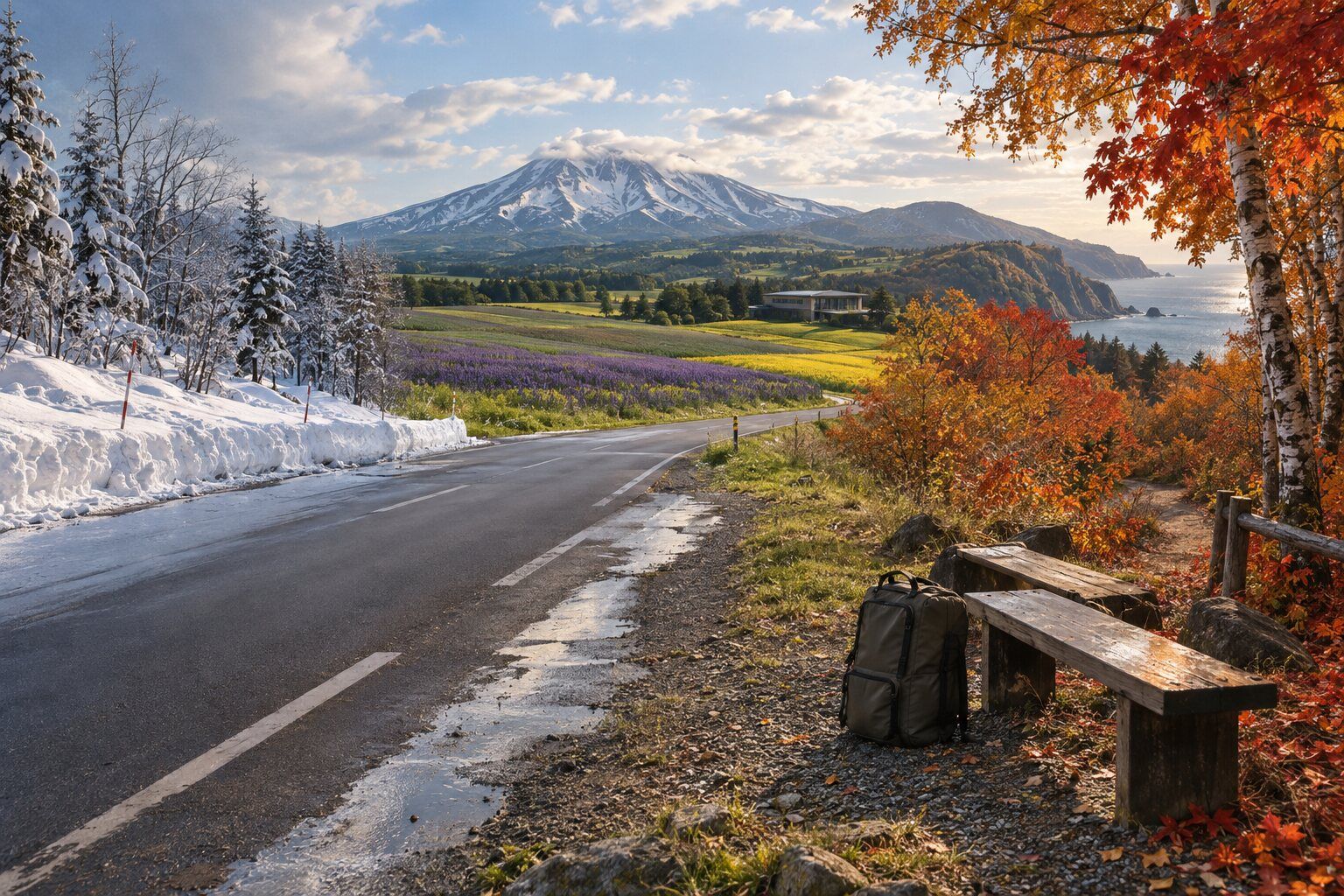
Late January through February is strongest for deep snow, while late June through July suits flower fields and outdoor drives. September into October favors autumn color and hiking. May and early June offer a quieter compromise, though some mountain routes and seasonal attractions may not be fully open.
There isn't one universal best time to visit Hokkaido. The island changes too sharply between seasons for that. Winter turns transport planning into part of the trip, summer makes long regional drives practical, and autumn gives you a short transition before cold weather returns.
A single-month recommendation cannot account for every reason to visit Hokkaido. Start by naming the experience you would regret missing:
- Powder snow and skiing: Choose late January or February.
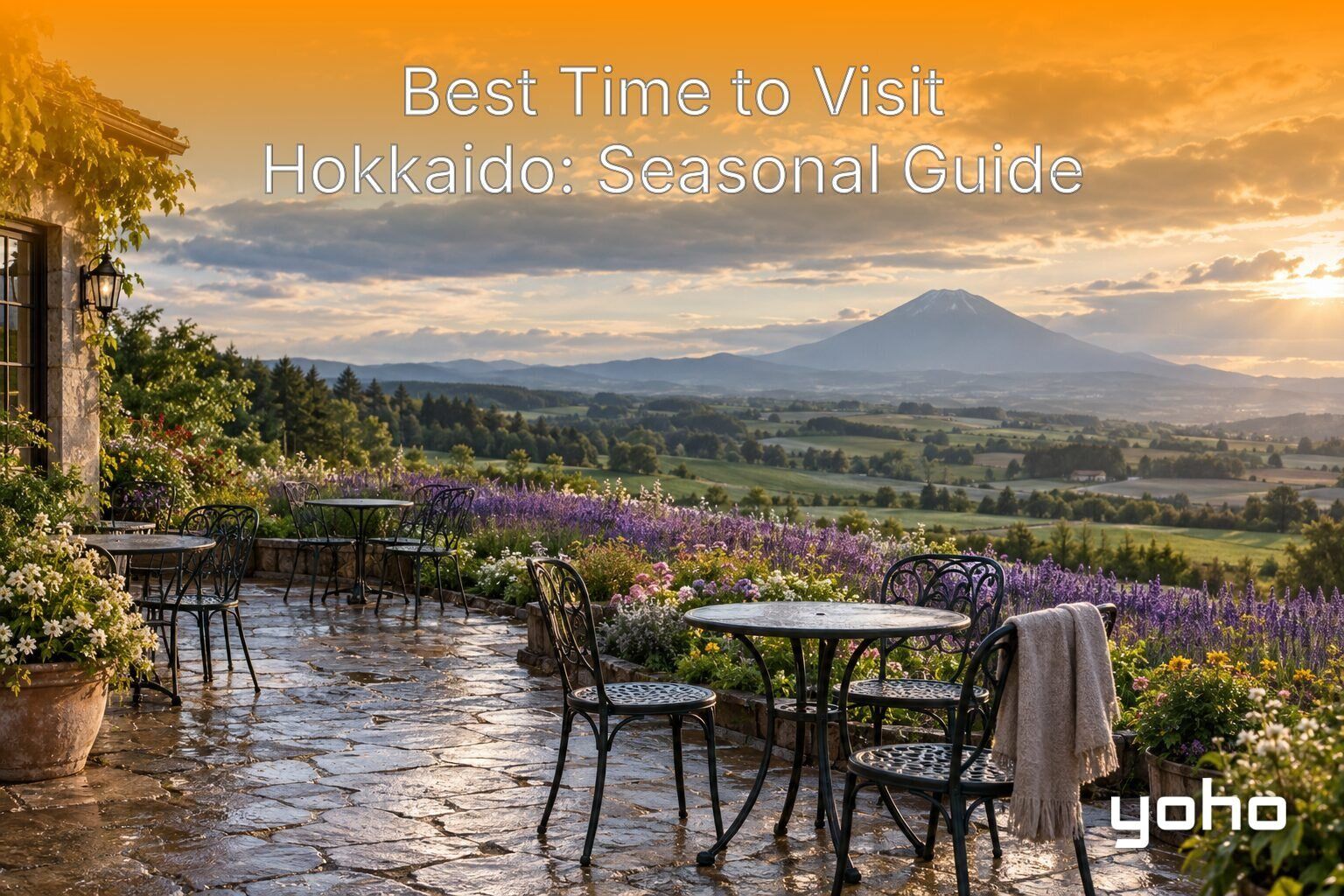
- Lavender and farm landscapes: Aim for July, with some variation between fields.
- Hiking and national parks: Choose July through September.
- Autumn foliage: Start with the mountains in September, then lower areas in October.
- Lower crowds: Consider May, early June, or parts of November.
That choice should shape your route. A winter visit works well with fewer bases and more transport margin. A Hokkaido summer itinerary can cover farms, lakes, coastlines, and mountain areas because longer daylight and clearer roads make movement easier.
December to March belongs to snow travelers
Early December to late March is Hokkaido's core winter period. Daytime temperatures often stay near or below freezing, daylight is limited, crowds rise around ski areas and major winter events, and accommodation prices are highest in famous resorts during the main Hokkaido ski season.
Winter is the clearest choice when snow is the purpose of your trip rather than a background detail. Niseko, Rusutsu, Furano, and other ski areas usually build their seasons gradually in December. January and February tend to offer more reliable snow depth, while March brings longer days and slightly softer conditions.
Sapporo is easier for a mixed trip. You can combine city restaurants, snowy parks, day trips, and winter events without committing every day to the slopes. The Sapporo Snow Festival usually takes place in early February, which creates a sharp rise in demand. Book well ahead if it anchors your dates.
Winter's trade-off is movement. Heavy snowfall can slow roads and disrupt rail or flight schedules. Don't create an itinerary that depends on a tight airport transfer after a long cross-island journey. One spare night near your departure city can protect the rest of the booking.
Winter weather snapshot
- Daylight: Roughly nine to twelve hours as winter moves toward spring.
- Crowds: High in ski resorts and during major February events.
- Best for: Skiing, snowboarding, winter photography, hot springs, and city snow scenes.
April and May bring a late northern spring
Early April to late May is Hokkaido's thawing season, with chilly mornings, mild afternoons, and rapidly changing ground conditions. Crowds are generally moderate outside holiday periods, prices can sit below winter and summer peaks, and blossoms arrive later than they do across much of Japan.
April can feel caught between seasons. Snow remains in mountain areas, city streets may be clear, and rural landscapes can look brown before fresh growth appears. It's not the safest month for travelers expecting either full winter scenery or lush spring color.
Late April into early May is more rewarding if blossoms matter. Hokkaido's flowering period comes later than central Japan's, though timing shifts with annual weather. Parks around Sapporo and southern Hokkaido become popular during this short window.
May is often a stronger all-round choice. Days are milder, city walking is comfortable, and road trips become simpler. Some high-elevation trails can still hold snow, so don't assume that spring in Sapporo means summer access in the mountains.
Spring weather snapshot
- Typical Sapporo range: Around 3°C to 18°C (37°F to 64°F).
- Daylight: Roughly thirteen to fifteen hours by late spring.
- Crowds: Moderate, with busier travel around national holiday periods.
- Best for: City trips, blossoms, cycling at lower elevations, and quieter road travel.
June to August opens flower fields and high trails
Early June to late August offers Hokkaido's warmest weather, longest days, and broadest access to farms, lakes, and mountain areas. July is the main Hokkaido lavender season, while August suits hiking and coastal travel but brings higher domestic demand and warmer, more humid conditions.
June is an appealing opening act. Temperatures are comfortable, greenery is fresh, and crowds are usually lighter than in July. Early-season flower displays begin, yet travelers focused entirely on lavender may arrive too soon for the fullest color.
July is the classic farm-country month around Furano and Biei. Lavender generally develops from late June into early August, with mid-July often treated as the prime viewing period. Bloom timing varies by variety, field, and weather, so build the trip around the wider agricultural landscape rather than one photograph.
August works well for hiking, lakes, and the cooler eastern side of the island. It can still feel warm in cities, and popular periods bring crowded roads and fuller accommodation. Reserve your rental car and central stays several weeks ahead if your route depends on both.
Summer weather snapshot
- Typical Sapporo range: Around 13°C to 27°C (55°F to 81°F).
- Daylight: Roughly fourteen to fifteen and a half hours.
- Crowds: Moderate in June, high around flower areas in July and holiday periods in August.
- Best for: Lavender, hiking, cycling, scenic drives, camping, and wildlife excursions.
September to November shifts from color to early snow
Early September to late November moves quickly from comfortable hiking weather to cold, short days and possible snow. Mountain foliage appears before city color, crowds are moderate outside peak viewing areas, and prices often ease after summer except where a short autumn window concentrates demand.
September is one of Hokkaido's most balanced months. Summer crowds begin to thin, daytime weather can remain pleasant, and mountain landscapes start changing color. Higher trails still require caution because conditions can turn cold much faster than they do in Sapporo.
October works better for city parks, lower-elevation drives, and hot-spring stays framed by autumn color. The northern and mountain areas usually move ahead of southern districts, so a single foliage date doesn't apply across the island.
November is less predictable as a leisure-travel choice. Autumn color may be finished, ski terrain may not yet have enough snow, and cold rain or early snowfall can limit outdoor plans. You may find lower prices, but the compromise is a thinner menu of dependable seasonal experiences.
Autumn weather snapshot
- Typical Sapporo range: Around 1°C to 22°C (34°F to 72°F) across the full season.
- Daylight: Roughly thirteen hours in early September, falling toward nine and a half by late November.
- Crowds: Moderate, with short peaks around recognized foliage areas.
- Best for: Autumn color, hiking, harvest food, hot springs, and photography.
Hokkaido weather by month at a glance
Hokkaido weather by month changes enough to alter transport, clothing, and route design. The ranges below use Sapporo as a practical planning reference, not an island-wide forecast. Eastern coasts, inland basins, ski resorts, and high mountains can feel markedly colder or change sooner.
| Month | Indicative temperature | Seasonal character | Crowd level |
|---|---|---|---|
| January | -7°C to -1°C (19°F to 30°F) | Deep winter and strong snow conditions | High in ski areas |
| February | -7°C to 0°C (19°F to 32°F) | Snow events and established ski season | High |
| March | -3°C to 4°C (27°F to 39°F) | Late skiing and longer days | Moderate |
| April | 3°C to 12°C (37°F to 54°F) | Thaw, bare landscapes, mixed conditions | Low to moderate |
| May | 9°C to 18°C (48°F to 64°F) | Blossoms and comfortable city travel | Moderate |
| June | 13°C to 22°C (55°F to 72°F) | Green landscapes and lighter crowds | Moderate |
| July | 18°C to 26°C (64°F to 79°F) | Lavender, hiking, and peak farm visits | High |
| August | 19°C to 27°C (66°F to 81°F) | Warm weather and broad outdoor access | High during holidays |
| September | 14°C to 22°C (57°F to 72°F) | Early foliage and comfortable hiking | Moderate |
| October | 7°C to 16°C (45°F to 61°F) | Lower-elevation color and cold evenings | Moderate |
| November | 1°C to 8°C (34°F to 46°F) | Seasonal gap and possible early snow | Low |
| December | -4°C to 2°C (25°F to 36°F) | Winter returns and ski areas begin opening | Rising |
Use these bands to choose layers, not to predict a specific day. Check a local forecast shortly before each regional move, especially when crossing from Sapporo into mountain, inland, or eastern areas.
The hardest travel windows deserve an honest look
Early April and November are Hokkaido's least dependable windows for a strongly seasonal trip. Early April can be slushy and visually bare, while November often falls after autumn color but before consistent ski conditions. Both can work for cities, food, and hot springs if you accept reduced outdoor certainty.
Avoid early April if your ideal trip depends on green landscapes, open hiking trails, or polished winter scenery. Roads may be clear in one district and edged with old snow in another. Footpaths can be wet, muddy, or closed.
November carries a different risk. Cold weather has arrived, yet many winter activities may still be waiting for enough snow. Daylight is shorter, gardens have lost their summer color, and rural seasonal businesses may reduce their hours.
Peak periods also deserve caution rather than automatic rejection. Early February is memorable in Sapporo, but rooms and transport can tighten around winter events. Mid-July brings the strongest flower appeal, yet popular roads around Furano and Biei can become slow. Go for the defining experience, not for quiet travel.
Regional access changes with the season
Sapporo is the easiest year-round base, while Furano, Biei, eastern Hokkaido, and mountain districts become simpler during the warmer months. Winter rewards shorter routes and rail-accessible bases. Summer supports longer driving loops, though distances remain large and one-night stops can create unnecessary fatigue.
For a first visit, Sapporo gives you the widest margin for changing weather. Rail links and urban services make it easier to adjust a day without losing the whole itinerary. Otaru can fit as a day trip or short stay, especially when you don't want another long transfer.
Furano and Biei make more sense when fields are active and roads are clear. A rental car gives you control over scattered viewpoints, but it also means navigating busy summer roads. Stay locally if you want early starts rather than commuting from Sapporo.
Eastern Hokkaido suits travelers who value lakes, coasts, wildlife, and quieter distances. Public transport is less frequent in many rural areas, so missed connections matter more. In winter, poor visibility and icy roads can turn an ambitious loop into a tiring one.
Use a simple regional rule: fewer bases in winter, longer stays in summer, and flexible mountain days in spring or autumn. That structure protects your time without stripping away spontaneity.
The right month for each kind of traveler
First-time visitors usually get the easiest overview in June, July, September, or early October. Families may prefer June or late August for outdoor access without peak flower traffic. Budget travelers can look at May, early June, and November, while dedicated skiers should prioritize January and February.
- First-time visitors: Choose July for flowers and broad access, or September for lighter crowds and early autumn scenery.
- Families: June offers long days and comfortable sightseeing. Late August can work once the busiest holiday demand eases.
- Budget travelers: May and early June can offer a better balance of weather and demand. November may cost less, but outdoor options are weaker.
- Skiers and snowboarders: Late January through February gives you the clearest shot at established winter conditions.
- Photographers: February suits snow scenes, July suits agricultural color, and late September into October suits foliage.
- Hikers: July through September provides the broadest seasonal window, subject to trail conditions and local weather.
If you dislike crowds but still want a visually rewarding trip, early June and late September are the most persuasive compromises. Neither guarantees empty attractions, yet both sit outside Hokkaido's strongest winter and lavender demand.
Packing and staying connected across Hokkaido
Pack for Hokkaido by region and activity, not only by the forecast in Sapporo. Winter requires insulated footwear and wind protection, while summer still calls for a light layer in mountain and coastal areas. Reliable mobile data also matters when checking transport changes, trail conditions, and rural driving routes.
Winter footwear matters as much as your coat. Choose boots with grip, warm socks, gloves you can keep on while using your phone, and outer layers that block wind. Indoor spaces are heated, so removable layers are more practical than one oversized garment.
Summer packing should include a light rain shell, sun protection, walking shoes, and a warmer layer for elevation or evening coastal stops. During spring and autumn, carry both water-resistant footwear and a compact insulating layer. A well-organized day bag is more useful than packing for every possible condition at once.
Long rural drives and weather-sensitive connections make access to maps and booking updates useful beyond Sapporo. Because setup problems are easier to resolve before leaving for a remote area, travelers who are new to the technology can review Yoho Mobile's guide to what an eSIM is and its explanation of how an eSIM card works before deciding whether to use one. For standards background, the GSMA overview of eSIM technology explains that the global eSIM specification supports remote SIM provisioning on compatible devices.
Before relying on an eSIM, confirm that your phone supports the technology. Google's official page, Learn more about eSIMs - Pixel Phone Help, provides device-specific information for Pixel users, while Apple's eSIM support guide covers compatible iPhone models and setup requirements. Travelers using other phones should check the relevant manufacturer's documentation. Devices that do not support eSIM will need another connectivity option.
If your Hokkaido route depends on navigation across several regions, choose connectivity around the trip's length and your expected mobile data use. For that trip-specific planning need, Yoho Mobile lets you select the destination country, data allowance, and number of days independently instead of fitting the journey into a fixed package. Review a Japan eSIM plan before departure, then install and manage it through the Yoho Mobile app for iOS or the Yoho Mobile app for Android.
If current network performance influences your planning, check the Speedtest Global Index close to departure rather than assuming that the season predicts mobile service. Network experience can vary by location, device, local operator, terrain, and congestion, especially once you leave major cities.
A snow delay, changed train, or rural detour can make losing mobile data more consequential because you may need immediate access to forecasts, directions, or booking updates. Travelers who want to confirm eSIM compatibility and installation before depending on it can start with the Yoho Mobile free eSIM trial. For eligible plans, Yoho Care is designed to preserve basic connectivity if the included high-speed data runs out, which can help keep essential weather and transport information accessible. Check the trial requirements and Yoho Care terms before departure so you know what applies to your plan and device.
Activate the eSIM plan before you need it, save essential reservations offline, and keep screenshots of your accommodation addresses. Connectivity is useful, but it shouldn't be your only way to find a rural hotel or confirm the last train.
Your final seasonal choice
Choose February for a snow-first journey, July for lavender and broad summer access, September for hiking with early foliage, or May and June for a quieter trip. No month delivers every version of Hokkaido, so protect the experience that matters most and accept the season's honest trade-offs.
Hokkaido winter travel is worth the extra planning when snow is the reason you're going. A summer trip gives you freedom to drive farther, hike longer, and combine farms with lakes and coastlines. Autumn offers the most delicate balance because its best color moves quickly from the mountains toward lower ground.
Once you've picked the season, keep the route realistic. Reserve early for February snow events and the July flower period, add transport margin in winter, and avoid treating distant regions as casual day trips. Hokkaido feels spacious because it is spacious.
The best time to visit Hokkaido is the window that makes your priority dependable. Pick the landscape first, then match your route, clothing, accommodation, and transport to the conditions that create it.