
Best Time to Visit Hanoi: Weather, Itinerary, and Packing Tips
Planning a trip to Vietnam's capital requires navigating a complex climate of heavy monsoons, high humidity, and chilly winters, all while dodging peak tourist surges. Arriving in the wrong season means facing oppressive heat that drains your energy, unexpected downpours that wash out your sightseeing, or dense cold dampness that requires a wardrobe you never packed for Southeast Asia. This guide breaks down the optimal months to visit, seasonal weather patterns, and exactly what to pack so you can experience Hanoi at its absolute best.

What Should Travelers Know Before Visiting Hanoi?
Hanoi is a high-energy metropolis defined by centuries-old architecture, vibrant street food culture, and motorbike-filled streets. The city operates at a fast pace, requiring visitors to balance chaotic urban exploration with visits to tranquil temples and lakes, all while navigating a tropical monsoon climate.
Before setting foot in the capital, understanding the rhythm of the city is essential. Hanoi is not a place you passively observe; it demands active participation. Whether you are dodging scooters while crossing the road or haggling over a bowl of pho at a local market, the city immerses you completely. The infrastructure has modernized rapidly over the past decade. Ride-hailing apps like Grab are ubiquitous and eliminate the need for stressful price negotiations with traditional taxis. Cash is still king in many small alleys and street food stalls, even though digital payments are rising. Carrying a stash of small-denomination Vietnamese Dong (VND) will save you from awkward moments when a vendor cannot break a large bill.
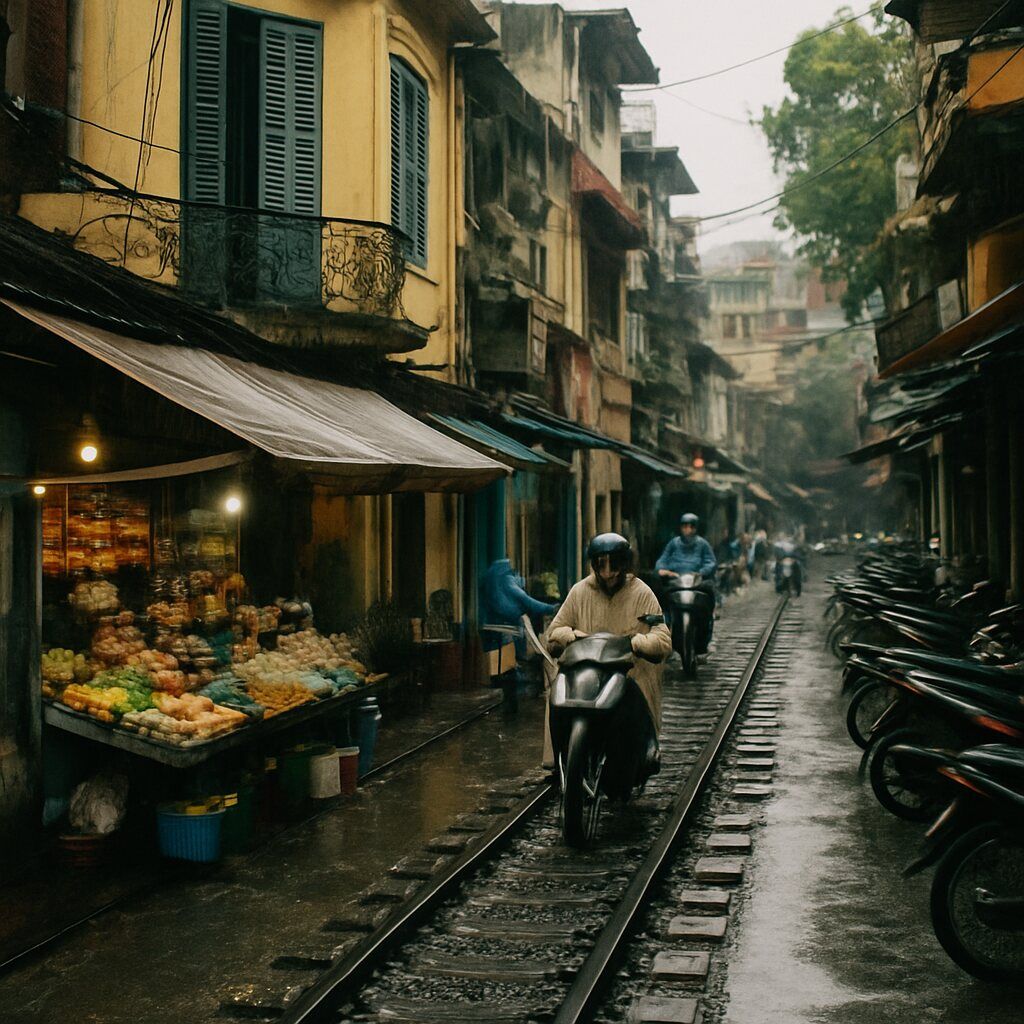
The local culture is deeply rooted in tradition, heavily influenced by French colonial history, Chinese Confucianism, and Southeast Asian resilience. You will see this blend vividly in the architecture—yellow-walled colonial villas standing next to narrow "tube houses" and ancient pagodas. To get oriented, first-time visitors should spend time wandering the Old Quarter, where each street historically specialized in a specific craft, from silk to silver to shoes.
When Is the Best Time to Visit Hanoi?
The best time to visit Hanoi is during the autumn months from September to November. During this window, the city experiences low humidity, comfortable temperatures between 20°C and 28°C (68°F to 82°F), clear blue skies, and minimal rainfall, creating ideal conditions for walking and outdoor sightseeing.
While autumn is the undisputed champion, spring (March to April) offers a strong alternative. Spring brings warmer weather and the famous blooming of flowers, though it also comes with high humidity and occasional drizzles. Choosing between the two depends on your tolerance for muggy weather. If you prefer crisp air and comfortable walking conditions, stick to the autumn months. If you want to see the city painted in vibrant floral colors and do not mind a little moisture in the air, spring is an excellent choice. For official planning context, check World Meteorological Organization climate guidance.
Summer (May to August) is the toughest season for visitors not accustomed to extreme heat. Temperatures frequently exceed 35°C (95°F), and the air feels thick and heavy. The trade-off is that the surrounding countryside, including the famous rice terraces in places like Mu Cang Chai, is a lush, vibrant green. Winter (December to February) is surprisingly cold and damp. Temperatures can drop to 10°C (50°F), and the lack of indoor heating in many Vietnamese buildings means you will feel the chill indoors just as much as outside. For official planning context, check Vietnam Tourism things to do guide.
What Is the Weather Like in Hanoi by Season?
Hanoi experiences four distinct seasons: a hot, wet summer; a cool, dry winter; a warm, humid spring; and a pleasant, sunny autumn. The tropical monsoon climate means heavy rainfall dominates the summer months, while winter brings a penetrating, damp cold.
Understanding the nuances of each season helps you align your travel dates with your comfort level and desired activities.
| Season | Months | Avg. Temp (°C) | Weather Characteristics | Best For |
|---|---|---|---|---|
| Spring | March to April | 20°C - 25°C | High humidity, light drizzle, blooming flora | Photography, cultural festivals |
| Summer | May to August | 30°C - 38°C | Intense heat, heavy monsoon rains, high humidity | Indoor attractions, lush landscapes |
| Autumn | September to November | 22°C - 28°C | Low humidity, clear skies, mild temperatures | Walking tours, outdoor dining, sightseeing |
| Winter | December to February | 10°C - 20°C | Cold, damp, overcast, occasional light rain | Enjoying hot pot, fewer crowds |
Does Hanoi Have a Rainy Season?
Yes, the rainy season spans from May to September, with the heaviest downpours occurring in July and August. These storms can be intense, often dropping a month's worth of rain in a few hours and causing localized flooding in low-lying areas of the Old Quarter. The showers usually arrive in the late afternoon, meaning you can often plan your mornings for outdoor exploration and reserve the afternoons for cafes or museums.
What Should You Book Before Visiting Hanoi?
Travelers should book flights, accommodation, and popular day tours (like Ha Long Bay or Ninh Binh) well in advance if visiting during the peak autumn season. Securing these elements early ensures better pricing and availability, particularly around Vietnamese national holidays.
Building a solid itinerary requires balancing the chaotic urban sprawl with the serene countryside. If you are looking for the perfect weekend plan, Hanoi offers enough to keep you busy. For a standard three-to-four-day trip, dedicate your time to specific zones rather than trying to crisscross the city endlessly.
How Do You Structure a Hanoi Itinerary?
- Day 1: The Historic Core. Focus on the Old Quarter and Hoan Kiem Lake. Walk the 36 ancient streets, visit the Dong Xuan Market, and watch the water puppet show at the Thang Long Water Puppet Theatre.
- Day 2: French Colonial and Political Landmarks. Visit the Ho Chi Minh Mausoleum, the One Pillar Pagoda, and the Temple of Literature. Spend the late afternoon exploring the French Quarter's wide boulevards and enjoying egg coffee at Cafe Giang.
- Day 3: Day Trip to Ninh Binh. Take a two-hour train or bus ride to Ninh Binh (often called "Ha Long Bay on land") to boat through the Trang An Grottoes and cycle through limestone karst landscapes.
- Day 4: West Lake and Local Life. Rent a bicycle and ride around West Lake (Tay Ho), the largest lake in the city. Visit Tran Quoc Pagoda and explore the vibrant Tay Ho neighborhood, known for its expat community and diverse dining scene.
When booking your international flights, timing your purchase can lead to significant savings. Check out our guide on the best day of week to book flights to optimize your travel budget. Once you arrive, booking local experiences through your hotel or verified online platforms is straightforward.
What Should You Pack for Hanoi?
Packing for Hanoi requires lightweight, breathable clothing for the day and modest layers for visiting temples, regardless of the season. You must also include comfortable walking shoes, high-SPF sunscreen, and a reliable umbrella to handle sudden weather shifts.
The biggest mistake travelers make is assuming Southeast Asia is uniformly hot year-round. Hanoi's winter can be genuinely cold, and the summer monsoons will soak through unprotected luggage. Smart packing is essential. For a deeper dive into travel organization, our smart packing for travel and airport security guide offers comprehensive strategies.
What Are the Essential Packing Categories?
- Clothing: Pack loose, breathable fabrics like linen and cotton. If visiting between December and February, bring a warm fleece or insulated jacket, as indoor heating is rare. Modest clothing (pants and shirts covering shoulders) is required for entering temples and the Ho Chi Minh Mausoleum.
- Footwear: Comfortable, closed-toe walking shoes are non-negotiable. The streets are uneven, and you will walk extensively. Avoid open-toed shoes if you plan to cross busy streets, as the proximity of motorbikes can be hazardous to exposed toes.
- Rain Gear: A compact, high-quality umbrella and a lightweight rain jacket are vital from May to October. Avoid heavy rain boots; quick-drying sneakers or sandals are more practical for the sudden deluges.
- Health and Safety: Bring mosquito repellent with DEET, a basic first-aid kit, and hand sanitizer. The tap water is not safe to drink, so pack a reusable water bottle with a built-in purifier if you want to stay hydrated sustainably.
- Daypack: A secure, anti-theft daypack is crucial for carrying your essentials while navigating crowded markets. Learn exactly what to carry in your daily bag with our daypack packing guide.
How Can You Stay Connected While Traveling in Hanoi?
Staying connected in Hanoi is best achieved by activating a travel eSIM before you arrive. This digital solution lets you bypass expensive roaming charges and avoid the hassle of finding a local physical SIM card at the airport.
Reliable mobile data is the backbone of modern travel. You will need it for booking Grab rides, translating menus, navigating the winding alleys of the Old Quarter, and finding highly-rated street food stalls. Relying on public Wi-Fi is risky and limits your mobility. By using an eSIM vs physical SIM alternative, you keep your primary phone number active for urgent calls while securing affordable mobile data.
Yoho Mobile offers flexible eSIM plans that cover Vietnam and over 200 other countries. You can freely choose your destination, data allowances, and usage duration without being locked into rigid contracts. Explore the available options and secure your connectivity through the Yoho Mobile eSIM plans page. To manage your connection easily, download the Yoho Mobile app on iOS or Android. If you are new to this technology, you can try a free eSIM trial before your trip, and travel with peace of mind knowing Yoho Care emergency data service has your back if unexpected connectivity issues arise.
Frequently Asked Questions
How many days do you need in Hanoi?
Three to four days is the ideal amount of time to spend in Hanoi. This gives you enough time to explore the Old Quarter, visit the Ho Chi Minh Mausoleum, take a day trip to Ninh Binh, and enjoy the street food scene without feeling rushed.
Is the rainy season a bad time to visit Hanoi?
The rainy season (May to September) is not necessarily a bad time to visit. Showers are usually heavy but brief, often occurring in the late afternoon. This period also coincides with warm temperatures and lush green landscapes, making it a great time for photography and avoiding peak tourist crowds.
What is the hottest month in Hanoi?
June and July are typically the hottest months in Hanoi, with average high temperatures reaching around 33°C to 35°C (91°F to 95°F). The heat is often compounded by high humidity.
Do I need a visa to visit Hanoi?
Visa requirements depend on your nationality. Many countries are eligible for visa-free entry for up to 45 days. Check the official Vietnam immigration website or consult your local embassy for the most current regulations before your trip.
Is Hanoi safe for solo travelers?
Hanoi is generally very safe for solo travelers, including women. Violent crime is rare. The main concerns are petty theft, such as pickpocketing in crowded markets, and traffic safety when crossing the busy streets.
What area is best for tourists to stay in Hanoi?
The Old Quarter (Hoan Kiem) is the best area for first-time visitors due to its central location, walkability, and abundance of dining and shopping options. The French Quarter is ideal for travelers seeking quieter streets and colonial architecture.