
Exploring the Best Neighborhoods in Beirut: A Travel Guide
Planning a trip to Lebanon's capital means navigating a sprawling, chaotic city where choosing the right district dictates the entire tone of your visit. Pick the wrong area and you will spend hours stuck in legendary traffic, overpaying for generic hotel rooms, and missing the authentic energy that makes the city famous. This guide breaks down the distinct character of the best Beirut neighborhoods so you can match your travel style to the perfect local atmosphere.
What Makes Beirut a Must-Visit Destination?
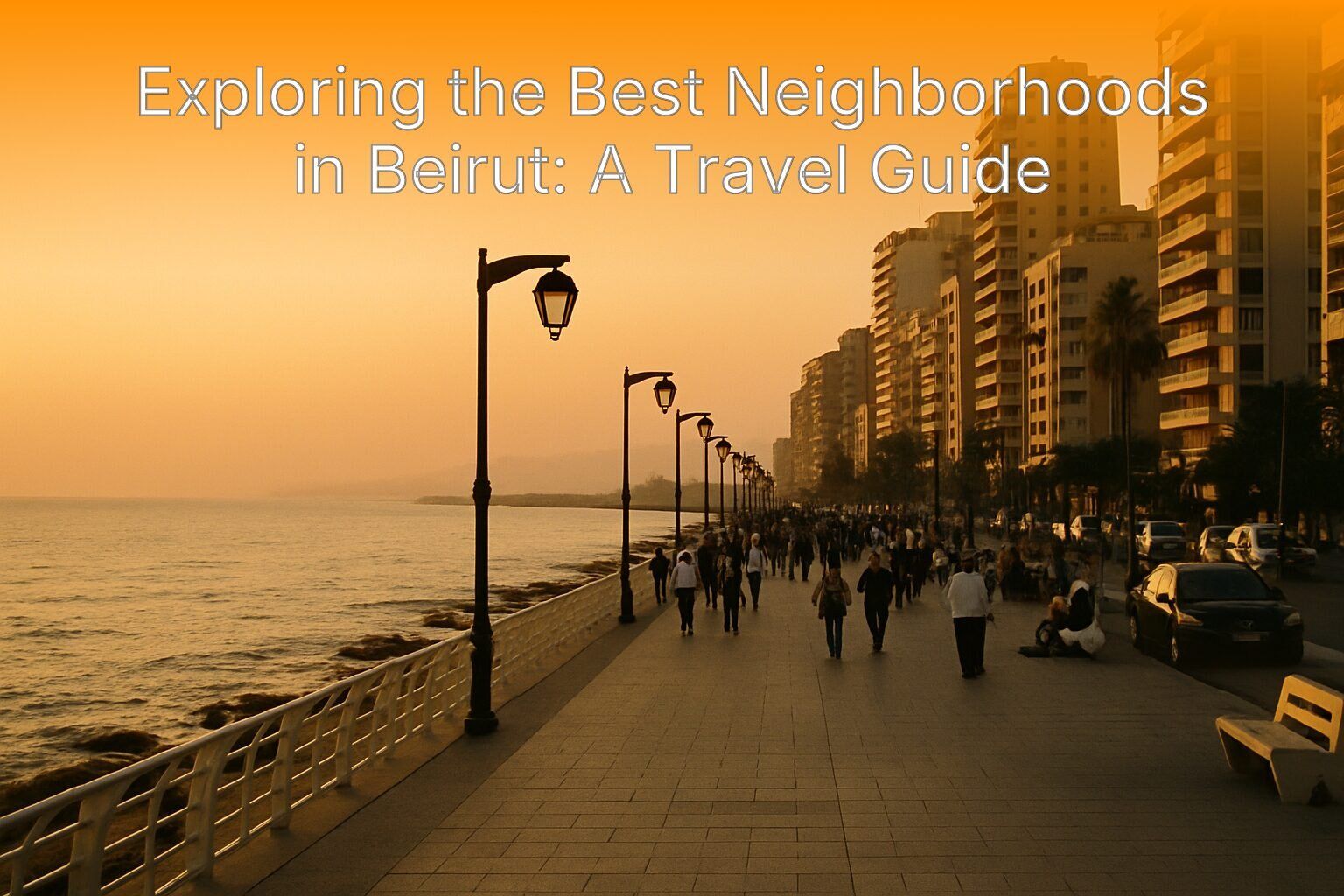
Beirut is a coastal metropolis defined by its resilience, culinary excellence, and layered history spanning Roman, Ottoman, and French Mandate eras. It serves as the cultural and economic hub of Lebanon, offering visitors a dense concentration of art, architecture, and nightlife within walkable Mediterranean shores.
The city operates on a rhythm that is entirely its own. It is a place where ancient Roman ruins sit directly beneath modern glass skyscrapers, and where traditional Levantine mezze is served just streets away from cutting-edge molecular gastronomy. When you visit, you are not just looking at history; you are walking through a living, breathing timeline. The energy here is palpable, driven by a population that is famously hospitable and deeply proud of their cultural heritage.
Understanding the geography of the city is essential for any visitor. The layout is shaped by the Mediterranean coast to the north and the Mount Lebanon range to the east. This geography means the city stretches horizontally, with distinct neighborhoods flowing into one another, each retaining a unique personality shaped by decades of local history and urban development. Whether you are looking for high-end fashion, underground art, or quiet seaside coffee, the city accommodates.
When Is the Best Time to Visit Beirut?
The best time to visit Beirut is during spring (April to May) and autumn (September to October). During these months, temperatures range from 20°C to 25°C (68°F to 77°F), providing comfortable conditions for walking through hilly neighborhoods and enjoying outdoor dining without the oppressive humidity of summer.
Summer in the city (June through August) brings intense heat that often exceeds 32°C (90°F), coupled with high humidity that rolls in straight off the Mediterranean. While the summer draws massive crowds to the beach clubs and rooftop bars, it can make midday exploration of outdoor sites like the Roman Baths a sweaty, exhausting endeavor. If you choose to visit in summer, plan your walking tours for the early morning and dedicate your afternoons to air-conditioned museums or the seaside Corniche. For official planning context, check Time Out travel guides.
Winter (December to February) is mild but wet. Daytime temperatures usually sit around 15°C (59°F), but heavy downpours are common and can disrupt outdoor plans. The benefit of a winter visit is the lack of tourist crowds and lower accommodation rates. You will have the major historical sites largely to yourself, though you should pack a sturdy waterproof jacket.
What Are the Top Neighborhoods to Explore in Beirut?
The top neighborhoods to explore include Gemmayzeh for historic architecture, Mar Mikhael for nightlife, Hamra for intellectual and student energy, and the Beirut Central District for upscale shopping and ancient ruins. Each area offers a distinct atmosphere, catering to different travel styles and interests.
Gemmayzeh
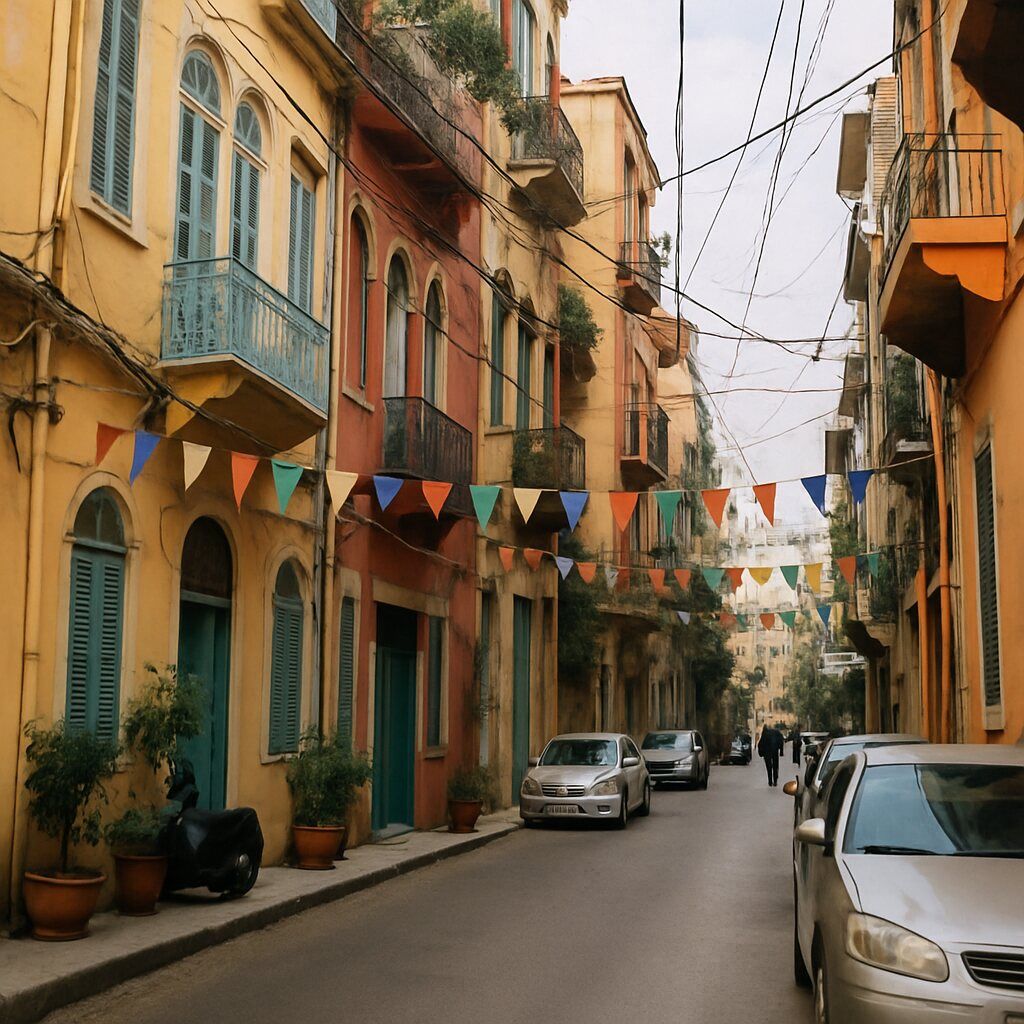
Gemmayzeh is the architectural jewel of the city. Located just east of the Central District, it is characterized by narrow, winding streets lined with beautifully preserved Ottoman-era and French Mandate buildings. Many of these historic structures feature the iconic triple-arched windows and distinctive red-tiled roofs. During the day, it is a quiet, photogenic area perfect for a walking tour. By night, the streets come alive as locals and tourists spill out of the numerous pubs and jazz bars. It is an ideal base if you want to be walking distance from both historical sites and vibrant nightlife.
Mar Mikhael
Adjacent to Gemmayzeh, Mar Mikhael has evolved into the epicenter of the city's creative and nightlife scene. The neighborhood is famous for its high concentration of bars, clubs, and alternative art spaces. It is distinctly grittier and more energetic than Gemmayzeh. On weekends, the main streets become a massive, flowing street party. If your primary goal is to experience the legendary social scene of the city, Mar Mikhael is where you should spend your evenings. Accommodation options here lean heavily toward trendy boutique hotels and short-term apartment rentals.
Hamra
Often referred to as the "Champs-Élysées of the Middle East" in its mid-century heyday, Hamra remains the intellectual heart of the city. Anchored by the presence of the American University of Beirut (AUB), the neighborhood buzzes with student energy. The streets are lined with independent bookshops, traditional coffee houses where intellectuals play backgammon, and affordable eateries serving authentic Lebanese street food. Hamra is an excellent choice for budget-conscious travelers and those who prefer a more authentic, less polished atmosphere over luxury.
Beirut Central District (Downtown)
The Beirut Central District represents the commercial and historical core of the capital. Following the civil war, this area underwent massive, highly controversial reconstruction. Today, it presents a striking juxtaposition: meticulously restored Ottoman mosques and Roman ruins sit alongside ultra-modern skyscrapers and high-end luxury boutiques. While some critics find the area too sterile compared to the chaotic charm of other districts, it remains essential for first-time visitors. The Martyrs' Square and the Mohammad Al-Amin Mosque are unmissable landmarks that anchor the city's historical narrative.
Achrafieh
Achrafieh is a predominantly residential, upscale district characterized by quiet, leafy streets and elegant apartment buildings. It offers a more relaxed pace compared to the bustling nightlife hubs. The neighborhood is home to the Sursock Museum, a leading modern and contemporary art museum housed in a stunning Venetian-style mansion. Achrafieh is the perfect area for travelers who prefer quiet luxury, high-end dining, and a more localized, residential feel during their stay.
What Cultural and Historical Sites Define the City?
Key cultural and historical sites include the National Museum of Beirut for Phoenician artifacts, the Roman Baths downtown, and the Sursock Museum for modern art. These locations provide a comprehensive overview of the region's 5,000-year history and its contemporary artistic movements.
The National Museum of Beirut is an absolute necessity for understanding the depth of Lebanese history. Located on the former Green Line that divided the city during the civil war, the museum itself is a symbol of survival. Its collection spans prehistoric times through the Ottoman era, with standout pieces including Phoenician sarcophagi and intricate Byzantine mosaics. Plan to spend at least two hours here to fully absorb the chronological layout of the exhibits.
For a more immersive outdoor historical experience, head to the archaeological site of Baalbek in the Beqaa Valley. While this requires a day trip outside the city, the sheer scale of the Roman temples dedicated to Jupiter and Bacchus makes it one of the most impressive historical sites in the world. The acoustics inside the Temple of Bacchus remain flawless after two millennia, highlighting the engineering prowess of the era.
Back in the city center, the Sursock Museum offers a sharp pivot to the contemporary. The museum focuses on modern and contemporary Lebanese art, hosting a permanent collection as well as rotating international exhibitions. The building's architecture alone is worth the visit, blending Venetian and Ottoman styles. After exploring the museum, take time to wander the nearby streets of Achrafieh to see how the wealthy elite of the city live behind high stone walls and lush gardens.
Where Can You Find the Best Dining and Nightlife?
The best dining and nightlife are concentrated in Gemmayzeh, Mar Mikhael, and the Zaitunay Bay marina. Visitors can enjoy everything from traditional Lebanese mezze to high-end international gastronomy, with nightlife typically starting late and continuing until the early morning hours.
Lebanese cuisine is globally celebrated, and the capital is its epicenter. For an authentic, unpretentious experience, head to the bustling streets of Hamra or the casual eateries in the Bourj Hammoud district, where you can find incredible Armenian-Lebanese fusion. You must try the manakish (a flatbread topped with za'atar or cheese) for breakfast, and feast on a massive spread of hot and cold mezze for dinner. According to the Time Out Beirut guide, the culinary scene here is constantly evolving, blending traditional flavors with modern techniques.
When the sun sets, the dynamic shifts entirely. The city is famous for its relentless nightlife. Start your evening with a quiet drink at a rooftop bar overlooking the Mediterranean, then head down to the narrow streets of Mar Mikhael. Here, the bars are packed, the music is loud, and the energy is infectious. The nightlife in this city does not truly get going until midnight, so pace yourself accordingly. Whether you prefer sophisticated cocktail lounges or packed underground techno clubs, the city accommodates every taste.
What Should You Pack for a Trip to Beirut?
You should pack lightweight, breathable clothing for the day, a modest layer for visiting religious sites, and smart-casual outfits for the evening. Comfortable walking shoes are essential due to the hilly terrain and uneven sidewalks found across many districts.
The dress code in the capital is generally modern and fashionable, particularly in neighborhoods like Achrafieh and the Central District. People take pride in their appearance, and you will rarely see locals wearing athletic wear outside of the gym. For evenings out in places like Gemmayzeh or Zaitunay Bay, smart-casual attire is the standard. For a deeper dive into organizing your luggage efficiently, check out our smart packing for travel and airport security guide.
Despite the modern vibe, you must remember that Lebanon is a country with significant religious diversity. If you plan to visit any mosques, churches, or conservative neighborhoods, you need to pack clothing that covers your shoulders and knees. A lightweight scarf or pashmina is highly versatile for this purpose. Women should carry a scarf that can easily be draped over the head when entering a mosque, and men should avoid wearing shorts when visiting religious sites.
How Do You Stay Connected While Traveling in Lebanon?
Staying connected in Lebanon is best achieved by activating an eSIM before you arrive. This allows you to instantly access mobile data for ride-hailing, digital maps, and translation apps without waiting in line at airport kiosks or swapping physical SIM cards.
Reliable mobile data is crucial for navigating the chaotic streets and arranging transportation. You will constantly need internet access to use ride-hailing apps, look up the opening hours of museums, translate Arabic signs, and finding the highest-rated local restaurants. Relying solely on public Wi-Fi is risky, as connections can be spotty and unsecure, leaving you stranded without a map in an unfamiliar district.
Yoho Mobile provides flexible eSIM plans that cover Lebanon and over 200 other countries. You can freely choose your destination, data allowances, and usage duration without being locked into a fixed plan. If you want to explore your options, you can browse available eSIM plans on the Yoho Mobile website. To manage your connection directly from your phone, download the Yoho Mobile app on iOS or Yoho Mobile app on Android.
If you are trying an eSIM for the first time, you can start with a free eSIM trial to test the setup process, and rest easy knowing Yoho Care emergency data service has you covered if you run out of data unexpectedly.
What Practical Travel Tips Should You Know Before Arriving?
Travelers to Beirut should know to carry cash in US Dollars or Lebanese Pounds, expect frequent power outages, and rely on ride-hailing apps rather than street taxis. The city is safe for tourists but requires standard urban situational awareness, especially when crossing busy streets.
The economic situation in Lebanon has drastically altered how transactions are handled. While credit cards are accepted at major hotels and high-end restaurants, cash is king everywhere else. You can pay in US Dollars or Lebanese Pounds, but having small denominations of both is highly recommended. ATMs are available but can have low withdrawal limits, so plan to exchange or withdraw money regularly.
Getting around the city requires a bit of patience. Traffic can be intensely congested, and street signs are often missing or obscured. Walking is the best way to explore individual neighborhoods like Gemmayzeh or Hamra, but moving between districts requires wheels. Avoid hailing taxis off the street, as negotiating a fair price can be difficult for foreigners. Instead, use a reliable ride-hailing app to ensure you get a metered, transparent fare. This small step saves significant money and stress.
Power outages are a reality of daily life in the city. Most hotels, restaurants, and larger shops have backup generators, but the switchover can cause brief interruptions. It is wise to carry a portable power bank to keep your phone charged, especially if you rely on it for navigation and ride-hailing. For more general advice on navigating international travel logistics, our best travel apps guide offers excellent recommendations to streamline your trip.
Frequently Asked Questions
What is the best neighborhood to stay in Beirut for first-time visitors?
First-time visitors should stay in the Beirut Central District (Downtown) or the Hamra district. Downtown offers proximity to major historical sites and upscale dining, while Hamra provides a lively, accessible atmosphere with easy access to the American University of Beirut and local bookshops.
Is Beirut a walkable city for tourists?
Beirut is partially walkable. Neighborhoods like Gemmayzeh, Mar Mikhael, and Downtown are highly pedestrian-friendly and best explored on foot. To travel between distinct districts, you will likely need a taxi, a ride-hailing service, or a local bus.
How many days do you need to explore Beirut?
You need three to four full days to explore Beirut thoroughly. This timeframe allows you to cover the major historical sites, experience the nightlife in Mar Mikhael, enjoy the culinary scene, and take a half-day trip to nearby attractions like the Jeita Grotto or Byblos.
What is the best time of year to visit Beirut?
The best time to visit Beirut is during the spring (April to May) or autumn (September to October). During these months, the weather is warm and pleasant, averaging between 20°C and 25°C, which is ideal for walking and outdoor dining without the intense heat of peak summer.
Do I need cash in Beirut neighborhoods?
Yes, carrying cash is essential in Beirut. While major hotels and some high-end restaurants accept credit cards, the economic situation means cash is heavily preferred. US Dollars and Lebanese Pounds are both widely accepted for everyday transactions.