
Best Time to Visit San Juan Puerto Rico
San Juan’s weather can look warm on every calendar month, but the real planning challenge is matching beach days, hotel prices, flight timing, cruise crowds, and hurricane-season risk to the trip you want. A poorly timed visit can mean paying winter rates without getting calmer streets, losing a beach day to heavy rain, or building an Old San Juan itinerary around a festival weekend you did not expect. This guide gives you the practical month-by-month trade-offs so you can choose the best window for San Juan, Puerto Rico, and plan with fewer surprises.

When Is the Best Time to Visit San Juan, Puerto Rico?
The best time to visit San Juan is mid-January to April for reliable beach weather, lively cultural events, and lower rain risk. Late April to early June is the best value window, with warm seas and fewer peak-season crowds before hurricane-season anxiety rises.
Mid-January to April is the safest all-round answer if you want San Juan to feel sunny, active, and easy to navigate. Daytime temperatures usually sit around 27°C–30°C (81°F–86°F), evenings are warm without being oppressive, and the driest part of the year typically falls across winter and early spring. You still need sunscreen, breathable clothing, and a flexible beach schedule, but your odds of getting the classic Caribbean city-and-coast trip are strong.
The main trade-off is price. January through March is popular with travelers escaping colder weather in the mainland United States, and San Juan’s hotel rates can reflect that demand. Old San Juan, Condado, Isla Verde, and airport-adjacent hotels fill quickly around holiday weekends, cruise-ship days, and major events. If you travel in this window, book hotels six to ten weeks ahead for better selection.
Late April to early June is the smarter window if you care about value and do not need the absolute driest odds. Temperatures climb into the 29°C–32°C (84°F–90°F) range, beach water feels warm, and spring-break pressure fades. Rain showers become more likely, but they often arrive in bursts rather than full-day washouts. For many travelers, this is the sweet spot: enough sun for beaches, enough availability for better rooms, and enough energy in the city without the busiest winter crowd pattern.
If your schedule is fixed by school holidays, June and July can still work. Treat them as hot-weather trips with early starts, midday breaks, and storm-aware planning rather than as effortless dry-season escapes.
Why Do December to March Work So Well for First-Time Visitors?
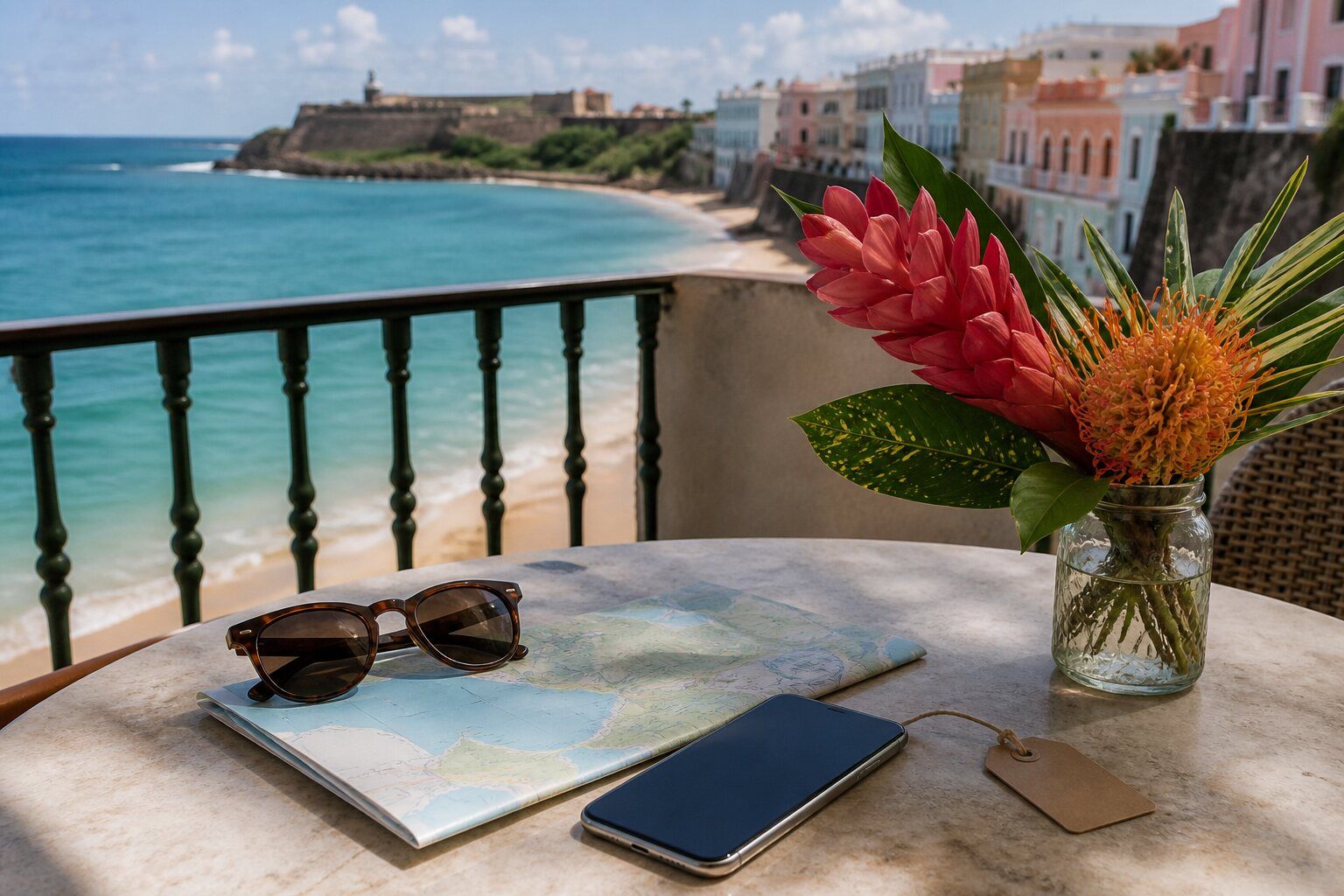
December to March is San Juan’s most dependable visitor season because rain is lower, humidity feels more manageable, and cultural calendars are active. It is also the busiest and often most expensive period, so the best experience comes from booking early and planning Old San Juan mornings.
December to March brings San Juan’s most comfortable rhythm for first-timers. Temperature: about 24°C–30°C (75°F–86°F). Daylight: roughly 11 to 12 hours. Crowds: moderate to high, with the highest pressure around Christmas, New Year, winter breaks, and long weekends. Price level: high compared with late spring and early fall.
This season works because it lets you combine the city’s greatest strengths in one trip. You can tour Castillo San Felipe del Morro in the morning, walk through Old San Juan before the harshest sun, spend the afternoon at Condado or Isla Verde, and still have energy for dinner in Santurce or a sunset stroll along the coast. The weather is warm enough for beach days without the heaviest summer humidity, and short showers are less likely to dominate your schedule.
January has extra cultural weight because San Juan celebrates the Fiestas de la Calle San Sebastián, one of the city’s biggest street festivals, usually in the second half of the month. The official tourism siteDiscover Puerto Rico events calendaris a useful place to check what overlaps with your dates before booking. Festival periods are memorable, but they can change hotel availability, traffic, restaurant demand, and the feel of Old San Juan after dark.
Winter is best for first-time visitors, couples, cruise extensions, and anyone who wants a high-probability beach-and-history itinerary. Pack light cotton or linen clothes, sandals that handle uneven streets, reef-safe sunscreen, sunglasses, and a thin layer for air-conditioned restaurants. If you dislike crowds, aim for late January after the holiday rush or early March before spring-break demand peaks.
How Does April to Early June Compare for Weather and Value?
April to early June is San Juan’s strongest value season because winter crowds ease while beach weather stays warm. Expect hotter afternoons and more showers than winter, but you can often get better hotel choice, calmer restaurants, and a more flexible itinerary.
April to early June is the best period for travelers who want San Juan without the full winter price tag. Temperature: about 26°C–32°C (79°F–90°F). Daylight: roughly 12.5 to 13 hours. Crowds: moderate in April, lower in May, rising slightly in early June. Price level: moderate, often better than January through March.
April still feels close to peak-season comfort, especially in the first half of the month. Beach mornings are usually pleasant, and Old San Juan’s streets feel less congested once Easter and spring-break weeks pass. May is warmer and wetter, but it can be one of the most practical months for travelers who prefer slower mornings, better room availability, and more space at popular restaurants.
The key is scheduling around heat. Start outdoor history sites before 10 a.m., move to shaded cafés or museums around midday, and save beach time for early morning or late afternoon if the sun feels intense. El Yunque day trips are especially sensitive to rainfall, road conditions, and reservation rules, so build a backup plan rather than packing your schedule too tightly.
Spring is a good match for food-focused travelers, remote workers adding a few vacation days, and couples who prefer lower-pressure travel. If you are booking flights around price, compare different departure weekdays; Yoho Mobile has a separate guide on how flight-booking timing can affect fares. For packing, bring breathable clothes, a compact umbrella, quick-dry swimwear, insect repellent for greener areas, and a reusable water bottle. You should also check current safety and entry information through official guidance such as the UK government foreign travel advice portal if Puerto Rico is part of a wider regional trip.
Should You Visit San Juan from Late June to August?
Late June to August can be a good time for San Juan if you want school-holiday travel, warm water, and lively beaches. The drawbacks are stronger heat, higher humidity, more afternoon rain, and rising tropical weather risk as August approaches.
Late June to August is not the easiest San Juan season, but it is far from unusable. Temperature: about 27°C–33°C (81°F–91°F). Daylight: around 13 hours in late June, gradually decreasing through August. Crowds: moderate to high in July, more variable in August. Price level: mixed, with family-holiday demand in July and more weather-sensitive pricing later.
July earns its popularity with warm beach water, energetic nightlife, and family-friendly scheduling. The challenge is stamina. Old San Juan’s stone streets and fortress walls radiate heat in the middle of the day, so a schedule that looks simple on a map can feel draining by noon. Families should plan one main outdoor activity per day, then leave space for pool time, naps, or shaded meals.
August is more complicated. It can deliver good deals and warm seas, but it sits closer to the heart of Atlantic tropical storm activity. You do not need to cancel August automatically, but you should avoid prepaid, nonrefundable commitments where possible. If your vacation dates are not flexible, choose a hotel with generous cancellation terms, keep day trips adjustable, and avoid building the whole trip around one weather-dependent excursion.
The U.S. National Weather Service office serving Puerto Rico provides local forecast and hazard information through NWS San Juan, which is worth checking before and during travel in summer. Pack lightweight clothes, strong sun protection, a waterproof phone pouch, a compact rain layer, and sandals or sneakers with grip. If you plan to visit beaches outside the metro area, check surf and rip-current conditions before swimming, especially after storms.
When Should You Avoid San Juan Because of Storm Risk?
September to October is the least predictable time to visit San Juan because it overlaps with the most anxious part of hurricane season. Prices can be attractive, but disruptions, heavy rain, rough seas, and last-minute itinerary changes are more likely than in winter or spring.
September to October is the window to avoid if this is your one big vacation of the year and you need dependable beach days. Temperature: about 26°C–32°C (79°F–90°F). Daylight: roughly 11.5 to 12.5 hours. Crowds: low to moderate. Price level: usually lower than winter, with more availability in many hotels.
The appeal is obvious: fewer people, softer prices, and a city that can feel more local than visitor-driven. The risk is equally clear. Tropical systems can change quickly, ferry schedules can be affected, beaches can be rough, and rain can interrupt day trips. Even when San Juan avoids direct storm impact, nearby weather can still affect flights, sea conditions, and outdoor plans.
If you travel during this period, choose flexibility over perfection. Book refundable lodging, leave gaps between major activities, and avoid tight same-day connections after arrival. A short urban stay centered on restaurants, museums, coffee shops, and Old San Juan can still work. A trip built around Culebra, Vieques, snorkeling, or multiple beach transfers is more exposed to weather disruption.
November is a transition month. It still belongs to the Atlantic hurricane season, yet conditions often begin shifting toward the drier, busier winter pattern. Temperature: about 25°C–30°C (77°F–86°F). Crowds: moderate, rising near U.S. Thanksgiving. Price level: moderate, then higher around holiday travel. If you want a calculated shoulder-season bet, late November can be better than September, but early December is usually safer for travelers who prioritize weather confidence.
Which San Juan Travel Month Fits Your Trip Style?
The best San Juan month depends on your travel style: February or March for first-timers, May for value, late January for culture, early June for families, and late November or early December for a quieter pre-peak trip with improving weather.
San Juan is easier to plan when you start with the trip you actually want, not with a single “best” label. A beach-heavy couple’s trip, a family school-break vacation, and a budget long weekend all reward different timing. Use the table below as a quick decision tool before you lock flights.
| Traveler type | Best timing | Why it works | Main trade-off |
|---|---|---|---|
| First-time visitors | February to March | Dry-season odds, strong beach weather, lively city calendar | Higher hotel prices and more visitors |
| Budget travelers | May or September | Better room availability and softer demand | More heat, rain, or storm-season planning |
| Families | Early June or July | School schedules align, water is warm, beach days are easy to plan | Heat and afternoon storms require breaks |
| Culture-focused travelers | Late January | Major festivals and energetic Old San Juan atmosphere | Busy streets and higher demand |
| Couples | April or early December | Good weather balance with slightly calmer pacing | Some dates still price close to peak |
| Beach-first travelers | February to early June | Warm conditions before the storm-risk peak | May and June bring more humidity |
If you are deciding between two nearby dates, choose the one with better cancellation flexibility rather than only the cheaper fare. San Juan rewards loose planning because weather, event crowds, and restaurant demand can shift the value of a day. For a three-day trip, prioritize Old San Juan, one beach base, and one food or nature outing. For five days, add El Yunque, Piñones, or a ferry-linked island plan if conditions look stable.
Travelers comparing San Juan with other warm destinations may also find timing lessons in Yoho Mobile travel guides such as the worst time to visit Hawaii, where similar weather-versus-price decisions appear in a different island context.
What Should You Book, Pack, and Prepare Before You Go?
Book San Juan hotels six to ten weeks ahead for winter, choose flexible reservations in hurricane season, and pack for heat, sun, showers, and cobblestone walking. Prepare mobile data before arrival because maps, rideshares, ferry updates, and restaurant bookings often matter from the airport onward.
Your pre-trip checklist should match your travel month. For December through March, reserve hotels and popular restaurants early, especially if you want Old San Juan, Condado, or Isla Verde as your base. For April through early June, compare hotel locations carefully; a slightly higher room rate near the beach or Old San Juan can save rideshare costs and time. For August through October, prioritize refundable hotel terms and avoid tight ferry or island-transfer plans on your first or last day.
Packing for San Juan is less about heavy gear and more about staying comfortable in heat, humidity, and sudden rain. Bring:
- Lightweight shirts, shorts, dresses, or linen trousers for humid afternoons.
- Comfortable walking shoes for Old San Juan’s hills and uneven streets.
- Swimwear that dries quickly, plus a small beach towel if your lodging does not provide one.
- Reef-safe sunscreen, sunglasses, and a hat for exposed fortress and beach time.
- A compact umbrella or rain shell from May through November.
- A small daypack for water, sunscreen, and a portable charger.
If you want a deeper packing framework for airport screening, carry-on planning, and daypack decisions, read Yoho Mobile guides to smart packing for travel and airport security and what to carry in a practical daypack.
Mobile data is useful in San Juan from the moment you land because rideshares, restaurant reservations, weather alerts, Spanish-English translation, and map directions can all be time-sensitive. If you are new to digital SIM technology, start with this guide to eSIM basics before you travel. Yoho Mobile lets you choose destination coverage, mobile data amount, and validity days separately, which is useful if your Puerto Rico stop is three days, ten days, or part of a wider United States itinerary. You can browse a United States eSIM plan, or use Yoho Mobile eSIM plans for multi-destination planning.
Download the Yoho Mobile app on iOS or Yoho Mobile app on Android before departure so you can manage your eSIM plan while you still have reliable Wi-Fi. If you want to test the process before your trip, Yoho Mobile also explains how to start with a free eSIM trial and includes Yoho Care emergency data service information for supported travel situations.
Device compatibility still matters. Not every phone supports eSIMs, and some carrier-locked phones can limit activation. Check the eSIM-compatible device list before buying, then activate your eSIM profile only when your trip timing and instructions match the plan terms.
How Is San Juan, Puerto Rico Different from Other “San Juan” Destinations?
San Juan, Puerto Rico is a Caribbean capital with tropical beach weather, while other “San Juan” destinations have very different timing logic. San Juan del Sur, the San Juan Islands, San Juan Capistrano, and the San Juan Mountains require separate planning for surf, whales, missions, or alpine seasons.
Travelers often compare similarly named destinations, but the best time to visit San Juan PR does not translate directly to other places with “San Juan” in the name. San Juan, Puerto Rico is shaped by Caribbean dry and wet seasons, Atlantic hurricane risk, cruise patterns, and year-round warm temperatures. Other destinations follow different weather, wildlife, and activity calendars.
If you are looking at the best time to visit San Juan del Sur Nicaragua, think in terms of Pacific coast dry season rather than Puerto Rico’s winter tourism cycle. San Juan del Sur is often favored during Nicaragua’s drier months from roughly November to April, especially for beach time, surf, and boat days. The rainy season can bring greener landscapes and lower prices, but roads, storms, and beach conditions can shape the trip differently.
The best time to visit San Juan Islands Washington is a separate question again. The San Juan Islands in the Pacific Northwest are cooler, greener, and more seasonal than Puerto Rico. Summer brings the warmest weather and the busiest ferry demand, while late spring and early fall can offer fewer crowds. If whale watching is your main goal, look at the best time to visit San Juan Islands for whale watching rather than using a generic beach-season calendar.
San Juan Capistrano in California has a mild coastal-inland climate and is often tied to mission visits, gardens, and the famous seasonal return of swallows. The best time to visit San Juan Capistrano is usually spring or fall for comfortable walking weather, not Caribbean beach heat. The best time to visit San Juan Mountains in Colorado is different again: summer and early fall favor hiking and scenic drives, while winter belongs to snow sports.
The name overlap matters because it can distort booking expectations. If you want pastel streets, Caribbean beaches, salsa nights, and a quick airport-to-city arrival, this guide is focused on San Juan, Puerto Rico. If you want orcas, alpine passes, mission history, or Nicaragua’s Pacific coast, use destination-specific seasonal advice before booking.
Frequently Asked Questions
What is the cheapest month to visit San Juan?
September is usually one of the cheapest months for San Juan because it sits inside hurricane season and outside the winter demand period. You may find lower hotel prices, but you need flexible plans, travel insurance, and realistic expectations about rain or schedule changes.
Is San Juan better in January or March?
March is usually better if you want a balance of sunshine, beach weather, and slightly simpler planning after the holiday rush. January can be excellent for culture, especially around major festivals, but early January often carries peak holiday pricing and heavier demand.
How many days do you need in San Juan?
Three full days are enough for Old San Juan, one or two beach sessions, and a day trip to El Yunque or nearby coastal areas. Five days are better if you want a slower pace, food-focused evenings, or possible add-ons such as Vieques or Culebra.
Does San Juan get hurricanes every year?
San Juan does not receive a direct hurricane hit every year, but hurricane-season planning matters from June through November. The most cautious approach is to treat August through October as the highest-risk travel window and book flexible reservations.
Is San Juan a good family destination in summer?
San Juan can work well for families in summer if you avoid overloading the itinerary. Plan outdoor sightseeing early, take midday breaks, keep beach expectations flexible, and choose lodging with easy access to food, shade, and a pool or beach.