
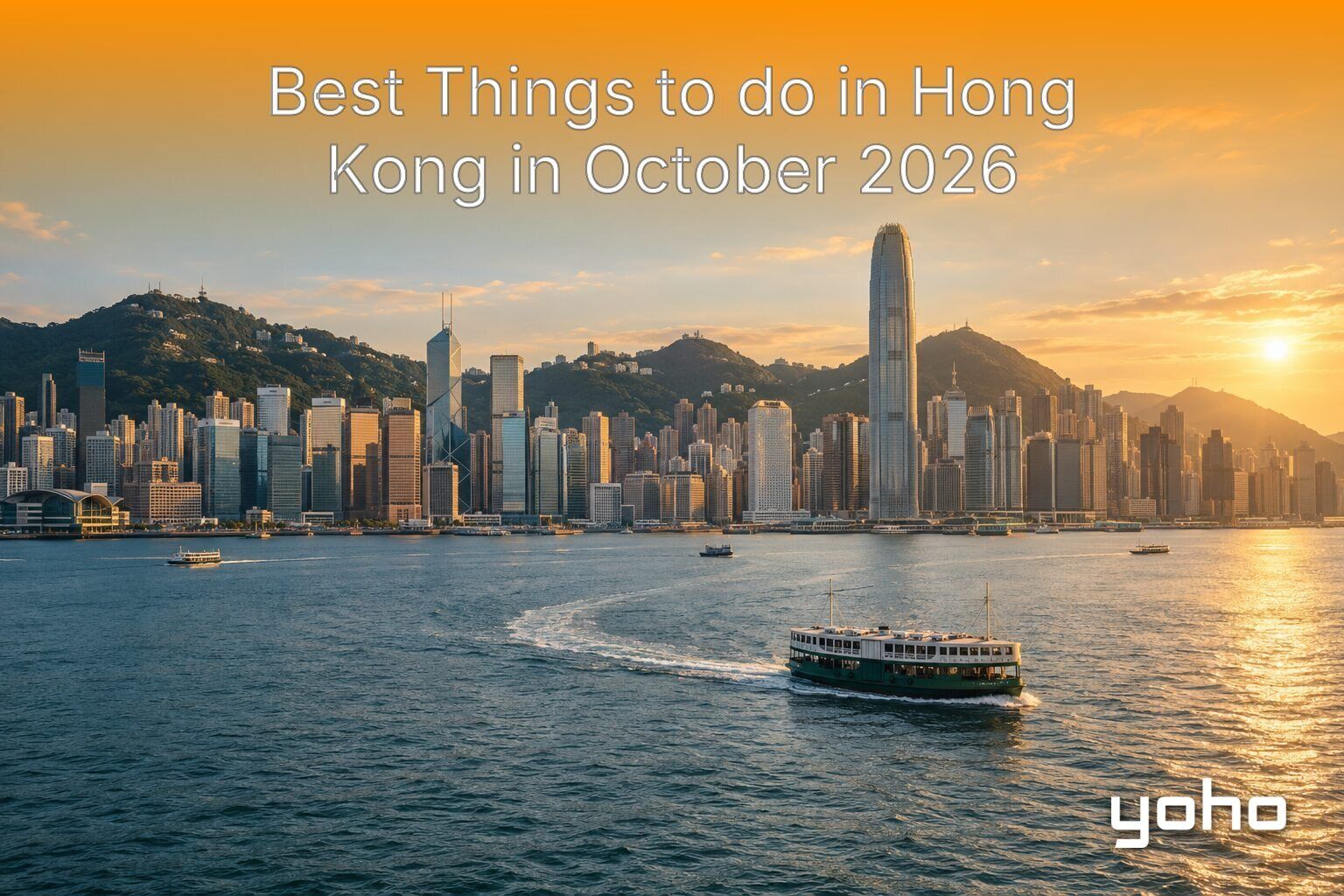
Best Things to Do in Hong Kong in October 2026
Planning what to do in Hong Kong in October 2026 can feel uncertain when the weather, event dates and crowded holiday periods may affect your options. Without a clear plan, you may spend too much time crossing the city or arrive when an attraction is busy, closed or unsuitable for the day’s conditions. In this guide, we cover the best things to do in Hong Kong in October 2026, including weather-friendly sightseeing, family and cultural attractions, and seasonal events.
What are the best things to do in Hong Kong in October 2026?
The best October activities include walking beside Victoria Harbour, visiting The Peak in clear weather, exploring Central and Sheung Wan, seeing an exhibition in Tsim Sha Tsui or West Kowloon, taking a ferry and attending a confirmed seasonal event. Organize these experiences as compact district days instead of attempting an all-in-one city loop.
For a first visit, choose one signature experience each day and add nearby food, cultural or waterfront stops. A Hong Kong Island day can combine Central, Tai Kwun, Sheung Wan and The Peak, while a Kowloon day can connect the Tsim Sha Tsui promenade with a museum or West Kowloon exhibition.
Hong Kong in October is particularly suited to mixing outdoor views with indoor culture. You can schedule a harbor walk or viewpoint when conditions are clear, then move into a museum, shopping arcade or café if the afternoon becomes hot or wet. Evenings can work well for waterfront walks, neighborhood dining and seasonal entertainment, although daily conditions still deserve a fresh check.
Allow time for local food rather than treating every meal as a transfer between attractions. Sit down for dim sum, visit a cha chaan teng or explore a market respectfully within the district already on your itinerary. Keeping meals close to the day's main activity reduces backtracking and leaves more time to experience the neighborhood.
| Traveler | October priority | Useful daily pace |
|---|---|---|
| First-time visitor | Harbor, skyline and central neighborhoods | One major sight plus two nearby stops |
| Family | Interactive attractions and easy transport | One booked activity plus a flexible backup |
| Culture-focused traveler | Museums, galleries and heritage streets | One district with scheduled indoor time |
| Returning visitor | Outlying areas, food and current exhibitions | One neighborhood or island per day |
Which outdoor activities fit Hong Kong's October weather?
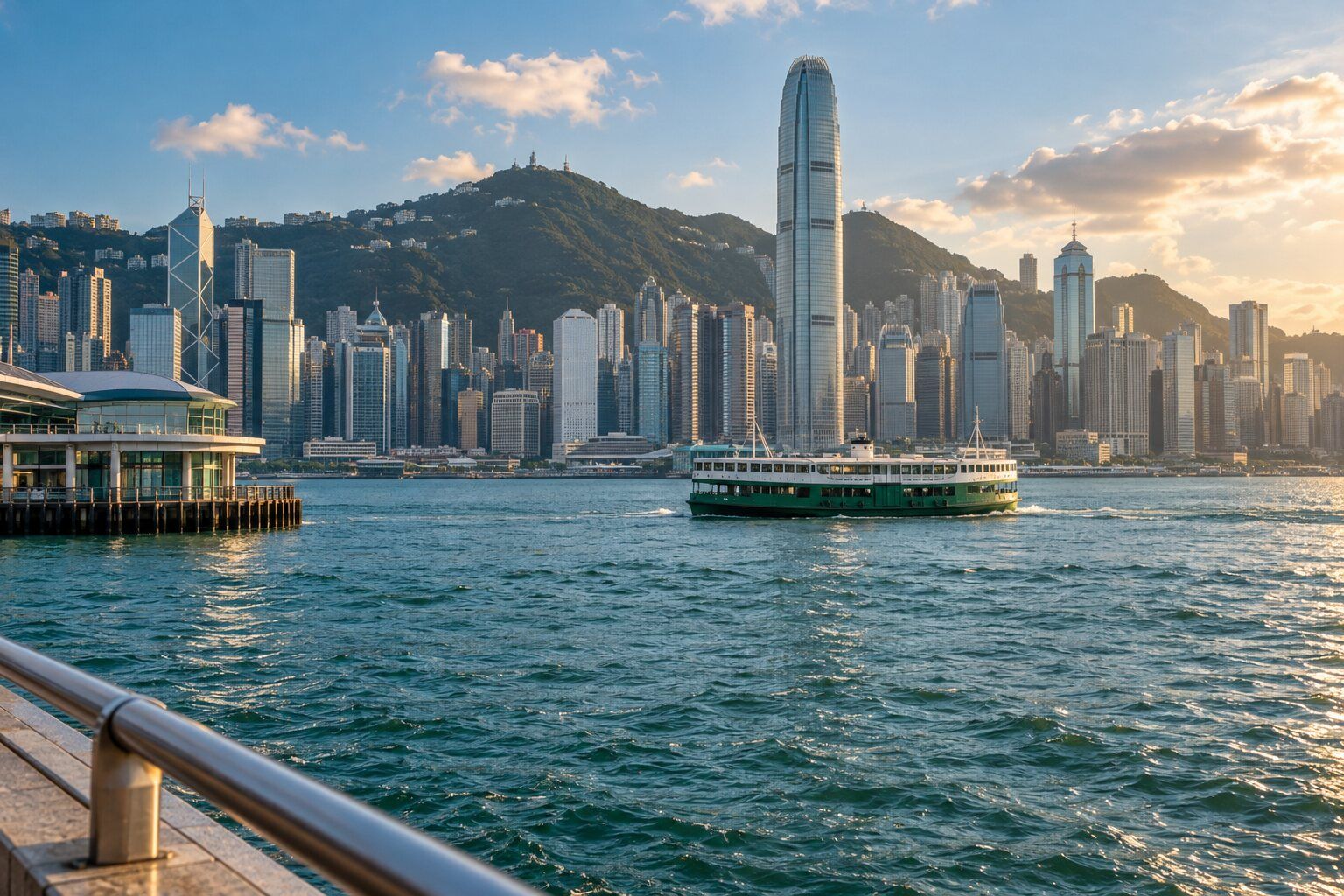
Use the clearest part of the day for Victoria Harbour, The Peak, an island outing or a suitable walking route, but keep a nearby indoor alternative. Hong Kong's October weather can support outdoor sightseeing, yet heat, humidity, rain and tropical weather may still affect plans. Check official forecasts and warnings rather than relying on monthly averages.
The Hong Kong Observatory is the government department responsible for monitoring and forecasting weather and issuing warnings about weather-related hazards. Its current forecast should guide decisions about exposed viewpoints, ferry trips, hiking and theme-park days.
Clear-weather walks and harbor views
On a clear morning, consider The Peak, the Tsim Sha Tsui promenade or a ferry crossing before moving indoors later in the day. A longer hike or outlying-island visit requires more preparation because heat, route conditions, daylight and transport schedules can all affect the outing. Carry water, use sun protection and select a route appropriate for everyone in your group.
Weather-aware planning does not mean filling the itinerary with backup reservations. It means pairing activities that are close together. If the sky is clear around Central, take the Peak Tram or walk the waterfront first, then keep Tai Kwun or nearby shopping areas available for later. In Tsim Sha Tsui, combine the promenade with the Hong Kong Museum of Art or another cultural venue.
Clothing for warm streets and cool interiors
Pack light, breathable clothes for daytime walks, plus a thin layer for heavily air-conditioned trains, museums and restaurants. Comfortable shoes matter because stations can involve long passages and some older neighborhoods have steep streets. A compact rain shell is usually more practical than a heavy jacket.
- A breathable shirt and lightweight trousers or shorts
- Walking shoes with grip for wet paving and slopes
- A light cardigan or overshirt for indoor venues
- A compact rain shell or small umbrella
- Sun protection and a refillable water bottle
- A small dry pouch for tickets, a power bank and documents
Indoor alternatives for unsettled mornings
Move an exposed hike, island outing or panoramic viewpoint if an official warning affects travel. Museums, covered markets and major shopping districts are easier alternatives, but confirm whether individual venues have changed their operations. Weather warnings can affect ferries and outdoor attractions differently, so do not assume every service follows the same schedule.
October is also a busy period around public holidays and large events. Leave extra time at popular viewpoints and transport interchanges, especially when a pleasant forecast draws more people outside. An early start can help, but a district-based route matters more than racing between opening times.
Follow a harbor-to-city sightseeing route
A strong first-time sightseeing route connects the Victoria Harbour waterfront with either Central and The Peak or Tsim Sha Tsui and West Kowloon. Treat these as separate half-day clusters rather than crossing repeatedly. That gives you skyline views, local streets and cultural stops without turning transport into the main activity.
Start by deciding which side of Victoria Harbour deserves the longer block. Central and Sheung Wan suit travelers interested in hillside streets, heritage buildings, markets and contemporary dining. Tsim Sha Tsui and West Kowloon make a better cluster for promenades, museums and sunset views back toward Hong Kong Island.
Central, Sheung Wan and The Peak
Victoria Peak 太平山is the classic broad city view, but visibility determines its value. Check conditions before committing your clearest hours.
- Hours: Check the Peak Tram and chosen viewing platform schedules for your date.
- Entry price: The district can be explored freely; transport and ticketed viewing areas charge separately.
- Transport: Reach the lower terminus from Central, or use a public bus or taxi depending on conditions.
Tai Kwun 大館combines restored heritage spaces, courtyards and contemporary arts programming. It fits naturally between Central and the Mid-Levels rather than as a separate cross-city trip.
- Hours: Check daily opening times and individual exhibition schedules before visiting.
- Entry price: General access and ticketed programs can have different arrangements.
- Transport: Walk from Central through the escalator area, allowing for slopes and stairs.
Continue toward Sheung Wan 上環 for dried-goods streets, small temples and cafés. Be considerate when photographing active shops or places of worship. This is a working neighborhood, not an open-air exhibit.
Tsim Sha Tsui and West Kowloon
Tsim Sha Tsui Promenade 尖沙咀海濱花園offers an easy introduction to Victoria Harbour. Visit during daylight if you want clear architectural detail, or near evening for changing skyline color.
- Hours: The public waterfront is generally accessible throughout the day, subject to local restrictions.
- Entry price: Walking the promenade is free.
- Transport: Use Tsim Sha Tsui or East Tsim Sha Tsui station and follow waterfront directions.
Hong Kong Museum of Art 香港藝術館is a useful weather backup beside the harbor and works well for a slower cultural afternoon.
- Hours: Confirm the museum calendar because closing days and exhibition hours can vary.
- Entry price: Admission depends on the exhibition, with some areas or programs handled separately.
- Transport: Walk from the Tsim Sha Tsui waterfront or nearby MTR stations.
West Kowloon 西九文化區 deserves its own block if an exhibition interests you. Trying to combine it with The Peak, Mong Kok and an evening theme-park event creates unnecessary backtracking. Pick the exhibition first, then build the meal and harbor walk around its timed entry.
Plan family days, museum visits and seasonal exhibitions
The best family activities in Hong Kong pair one high-energy attraction with one simple nearby experience. Theme parks, science-focused venues, harbor rides and waterfront spaces all work, but children usually gain more from a focused day than from a long chain of disconnected landmarks.
For a full attraction day, choose between Hong Kong Disneyland 香港迪士尼樂園 and Ocean Park Hong Kong 香港海洋公園 based on your family's interests. Both may run seasonal programming in October, and operating calendars, attraction availability and event tickets can differ from ordinary admission. Check the official terms before promising a particular character, show or evening program.
A balanced theme-park schedule
- Hours: Use the park calendar for the exact October date, not a general listing.
- Entry price: Compare dated tickets, age categories and any separate event access.
- Transport: Hong Kong Disneyland has dedicated rail access; Ocean Park is connected through its MTR station.
- Pacing: Select a few priority attractions and leave room for meals, weather delays and rest.
If a full theme-park day feels too demanding, use a museum-and-harbor combination. The Hong Kong Science Museum 香港科學館 and Hong Kong Museum of History 香港歷史博物館 are convenient choices around Tsim Sha Tsui East when their galleries are open. Confirm current exhibition access, since renovation work or gallery changes can affect what families can see.
Low-pressure activities for younger children
A ferry ride can feel like an attraction without taking over the day. Pair it with an uncrowded section of the waterfront, a casual lunch and one indoor venue. Hong Kong Park 香港公園 is another useful pause near Central, especially when adults want a break from shopping or museum schedules.
For food, start with dishes the family can share. Dim sum gives children several small choices, while bakeries and cha chaan teng menus make snack stops easy. Peak dining periods can involve queues, so eat a little earlier or later if your day includes a timed exhibition.
Keep one child-friendly activity unbooked. A rigid schedule becomes difficult if the weather changes, someone needs a rest or a popular attraction takes longer than expected. That empty space is not wasted time; it lets the family enjoy the place they are already in.
Which Hong Kong events should you check for October 2026?
Check official October 2026 calendars for public celebrations, arts programs, exhibitions, sports and Halloween events before building your route. Some annual themes return, but dates, admission rules and venues can change. Treat any event without a confirmed organizer listing as a possibility, not a fixed itinerary item.
The official What's On In Hong Kong | Brand Hong Kong - Asia's World City calendar is a practical starting point for major scheduled events. Compare its listings with the organizer or venue calendar before buying tickets, since a broad event listing may not contain every session rule.
National Day schedules and harbor crowds
October begins with National Day on October 1, which can affect crowd levels, public-space access and transport patterns. Do not assume that a harbor performance or fireworks display will follow a previous year's format. Wait for an official 2026 announcement, then choose a viewing area with a clear exit plan rather than standing at the busiest interchange.
Halloween programs and evening tickets
Theme parks and entertainment venues often present seasonal Halloween programming, but the content may suit different age groups. Families should check age guidance, event hours and whether evening activities require separate access. Adults planning late events should also confirm the final practical route back to their accommodation.
Exhibitions, performances and pop-up events
October exhibition calendars can make West Kowloon, Tsim Sha Tsui or Central the anchor for an entire day. Book a limited-capacity show first, then add nearby meals and walks. This is more efficient than choosing restaurants and viewpoints before learning that the only available exhibition time sits across the harbor.
Seasonal markets and pop-ups are less dependable for early planning because locations and operating dates may be announced close to the event. Keep one free evening if these interest you. You can then choose from confirmed Hong Kong festivals in October without sacrificing a prepaid attraction.
Which neighborhoods should you explore, and how do you get around?
Explore Central and Sheung Wan for heritage streets and dining, Tsim Sha Tsui for harbor views and museums, Jordan and Yau Ma Tei for traditional street life, or Causeway Bay for shopping and late meals. Stay near the district where you expect to spend most evenings, then use the MTR, buses, ferries and walking for daytime movement.
Central 中環 and Admiralty 金鐘 work well for business districts, hillside neighborhoods and transport connections. Tsim Sha Tsui 尖沙咀 is practical for the harbor, museums and shopping. Jordan 佐敦 and Yau Ma Tei 油麻地 place you closer to traditional street life, while Causeway Bay 銅鑼灣 suits shopping and late dining.
Do not choose accommodation using straight-line distance alone. A nearby MTR entrance, an easy airport connection and a flatter walk may matter more than being slightly closer to one landmark. Read recent accommodation details for construction, access and room configuration, especially when traveling with children.
The official Transport Department explains Hong Kong's public transport options, including rail, buses, minibuses, trams, taxis and ferries. Use it to understand available modes, then check the relevant operator for the current timetable or service notice.
Match transport to the district
- MTR: Best for longer urban transfers and predictable station-to-station travel.
- Ferry: Useful for harbor crossings and selected island routes, subject to weather and schedules.
- Bus: Helpful for scenic or hillside routes not served directly by rail.
- Tram: A slower option for short journeys across northern Hong Kong Island.
- Walking: Best within compact districts, though heat, slopes and station corridors add effort.
Make room for evening neighborhood activities
After the main attraction closes, stay within the same district for dinner, a market visit or a waterfront walk. Central and Causeway Bay offer late dining and shopping, while Jordan and Yau Ma Tei work well for an evening focused on local streets and casual food. Check current operating hours rather than assuming every market or restaurant stays open late.
Build transfer time into airport days and major event nights. Save your accommodation name and address in both English and Chinese, and keep a screenshot available in case you need to show it to a driver. For navigation, understanding how much mobile data Google Maps uses can help you estimate your daily needs before departure.
How do you stay connected between Hong Kong activities?
Arrange mobile access before departure if your itinerary depends on maps, attraction updates, restaurant bookings or family messages. A compatible phone can use a travel option without replacing its physical SIM, but you should confirm support, activation instructions and roaming settings before the flight.
A travel eSIM can be useful when you need directions immediately after arrival or expect event schedules to change. If the technology is new to you, read this guide to what an eSIM card is before choosing a plan. Some older or carrier-locked devices are not compatible, so check your phone rather than assuming support.
Your likely usage depends on the trip. A traveler mainly using maps, messages and occasional restaurant searches needs less mobile data than someone streaming video or sharing a hotspot. Hotel Wi-Fi can reduce usage, but it will not help while changing districts, finding an entrance or checking a weather warning outdoors.
If you want control over destination coverage, mobile data and validity days, that travel need is where Yoho Mobile fits. You can select Hong Kong, choose the amount you expect to use and set the duration independently rather than accepting a fixed bundle. Review the available Hong Kong eSIM plans once your itinerary length and expected usage are clear.
To manage the plan before and during the trip, use the Yoho Mobile app for iOS or the Yoho Mobile app for Android. Activate according to the supplied instructions and confirm which line your phone uses for mobile data before leaving airport Wi-Fi.
If you want to check the setup before relying on it for October event updates and navigation, the free eSIM trial from Yoho Mobile can help you test the process. Travelers concerned about unexpectedly exhausting an eligible plan can also review how Yoho Care provides a data fallback, then choose the option that fits their trip.
Save essential information offline even when you have mobile access. Keep screenshots of your hotel address, event ticket, return route and any weather-related venue notice. A connected phone is useful, but a simple offline backup makes last-minute changes much easier to handle.
Frequently Asked Questions
Is October a good month to visit Hong Kong?
October is a practical month for combining outdoor viewpoints, neighborhood walks and indoor exhibitions. Conditions can still change, so check official weather warnings each morning and keep one flexible indoor option. The month is especially suitable if you prefer district-based sightseeing over a tightly packed city loop.
What clothes should I pack for Hong Kong in October?
Pack breathable daytime clothing, comfortable walking shoes, a light layer for strong air conditioning and a compact rain shell. Sun protection and a refillable water bottle are useful for exposed promenades and hiking routes. Avoid filling your bag with heavy outerwear unless a current forecast gives you a specific reason.
Which Hong Kong attractions should be booked early?
Reserve timed attractions, major theme parks, popular seasonal programs and limited-capacity exhibitions once your dates are fixed. Ordinary neighborhood walks, public promenades and street markets usually allow more flexibility. Check cancellation conditions if an activity depends heavily on clear weather.
Are there good family activities in Hong Kong during October?
Families can combine waterfront walks, museums, theme parks, ferry rides and seasonal programs. Build the day around one major attraction and one nearby flexible stop so children are not spending most of the day in transit. A simple meal plan and scheduled rest break also make long sightseeing days easier.
How many days do you need in Hong Kong?
A focused visit needs several days to cover Hong Kong Island, Kowloon and one family, museum or nature day without rushing. Add more time if you want an outlying island, a long hike or multiple theme parks. The better measure is the number of distinct districts you want to explore, not the number of landmarks on a list.