
Vietnam Travel Guide: Using an eSIM for the Northeast Monsoon
Stay prepared for the Northeast Monsoon in Vietnam by using a reliable eSIM that helps you stay online, plan smart, and adjust your Hanoi winter travel itinerary with ease.
When you’re planning a trip during the Northeast Monsoon Vietnam season, weather plays a major role in shaping your experience. Hanoi winter travel includes cool winds, misty mornings, and unexpected showers, so you depend heavily on mobile data for maps, booking changes, and real-time forecasts.
If you want your journey to feel smooth from the moment you land, you can simplify everything by choosing a travel-ready eSIM for Vietnam before departure.
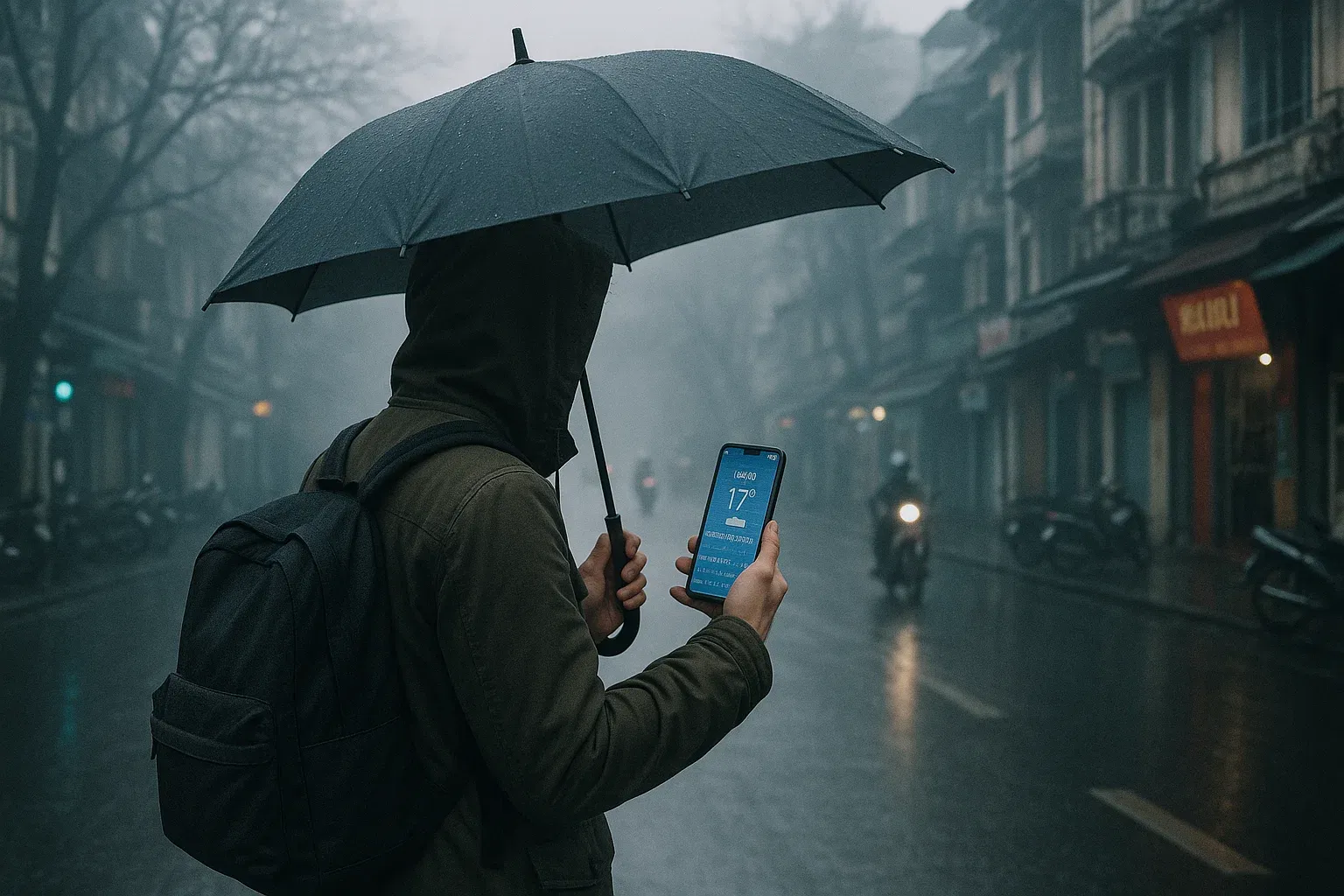
Why the Northeast Monsoon Impacts Your Vietnam Travel
Northern Vietnam experiences a unique winter pattern shaped by the Northeast Monsoon. It brings cooler temperatures, frequent drizzles, and low clouds that can affect transportation, outdoor plans, and photography. When visiting Hanoi, Sapa, or Ha Long Bay, your ability to stay connected becomes essential.
Before you adjust your route or plan indoor activities, it helps to understand what is an eSIM card. Unlike traditional SIM cards, an eSIM activates digitally and lets you switch between networks without visiting a store. This gives you a major advantage when the weather forces last-minute changes.
Why Mobile Data Matters During Hanoi Winter Travel
- Weather changes quickly during the Northeast Monsoon Vietnam season.
- You need updated conditions for tours, cruises, and mountain trips.
- Ride-booking apps depend on fast, stable connections.
- Misty and cold days make indoor alternatives more appealing.
- You can adjust schedules on the go through travel apps.
Staying connected in Vietnam becomes more than a convenience—it becomes a travel essential during winter months.
Why Choose an eSIM for Vietnam Instead of a Local SIM
Travelers visiting during monsoon season often want the fastest and simplest way to get online. A traditional SIM works, but buying one at the airport or from local stores can add unnecessary delays, especially if weather disrupts arrival times.
An eSIM for Vietnam allows you to activate service instantly and keep your home SIM available for calls or texting. You can skip the search for local SIM vendors and avoid dealing with physical cards in damp conditions.
Advantages of Using an eSIM During Winter in Hanoi
- Instant setup before or upon arrival.
- Reliable connections even when public Wi-Fi becomes unstable during storms.
- Better flexibility for multi-city travel.
- Fast speeds for video calls, weather apps, and cloud backups.
- No physical SIM swapping, which helps protect your device in rainy conditions.
If you want a deeper overview of regional plans and coverage, you can check out how Yoho Mobile works. This gives you a clearer idea of which package best supports your Vietnam travel data needs.
Step-by-Step: How to Activate Your Vietnam eSIM
Setting up an eSIM is quick and easy, even if you’ve never used one before. You can prepare ahead of time so you’re ready for weather changes the moment you land in Hanoi.
-
Check device compatibility.
Ensure your phone supports eSIM technology. Most modern phones from Apple, Samsung, and Google do. -
Choose the right plan.
Select the best Vietnam travel data package for your trip’s duration and usage. -
Purchase online.
Visit the Yoho Mobile store and pick your Vietnam plan. You’ll receive an email with a QR code for activation. -
Scan the QR code.
Go to your phone’s mobile network settings and add the new plan. -
Enable data roaming.
Turn on roaming for the eSIM so it connects seamlessly to Vietnamese networks. -
Activate upon arrival.
Once you land in Hanoi, your phone connects right away, giving you instant access to weather alerts, navigation tools, and booking confirmations.
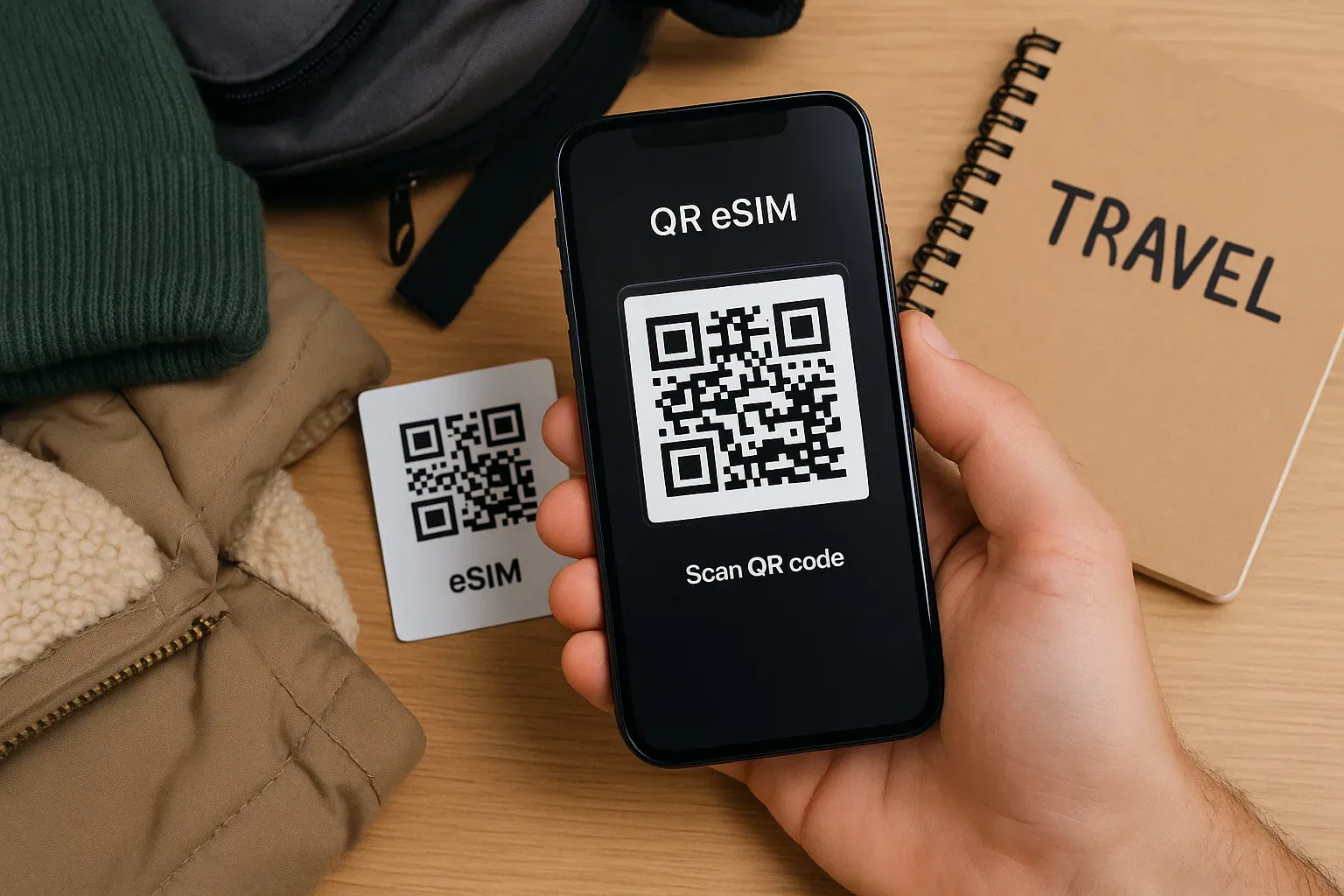
If you want to avoid Wi-Fi gaps during your journey, you can prepare early and activate your eSIM before the weather shifts unexpectedly.
Packing Smart for Hanoi Winter Travel
Weather during the Northeast Monsoon Vietnam season feels much cooler than in southern regions. Misty air, damp mornings, and low temperatures make a big difference in how you experience the city.
What to Pack for Hanoi
- Light winter jacket or insulated layers
- Waterproof shoes for wet streets
- Compact umbrella
- Warm hat and scarf for windy days
- Moisture-wicking layers for day trips
- Portable charger for long outdoor days
- Waterproof pouch for your phone
Packing smart ensures that you stay comfortable while exploring areas like the Hoan Kiem Lake district, the Vietnam Museum of Ethnology, or the scenic viewpoints in Sapa.
If you want your trip to flow smoothly regardless of the weather, you can prepare by packing essentials and activating a data plan that supports real-time updates.
How Fast Data Helps You Navigate Monsoon Conditions
The Northeast Monsoon Vietnam season influences everything from visibility to travel times. Cloud cover and rain can reduce clarity when navigating Hanoi’s narrow streets. Mobile data helps you stay aware of conditions and adapt.
Everyday Ways You’ll Use Your eSIM
- Tracking temperature drops before heading outdoors
- Checking fog levels for Sapa trekking routes
- Monitoring rainfall before Ha Long Bay cruises
- Searching for indoor cafés and museums during showers
- Booking transportation when walking conditions worsen
- Using live maps at night when visibility drops
Fast and reliable Vietnam travel data supports flexible decision-making throughout your trip. If you want to stay ahead of weather-related delays, you can rely on your eSIM to keep you informed.
Best Destinations to Visit During the Northeast Monsoon
While rain and mist shape northern Vietnam in winter, the season creates unique experiences worth exploring.
Top Picks for Winter Travelers
- Hanoi Old Quarter: Enjoy warm drinks, street food, and misty morning walks.
- Sapa: Cloudy mountain views and cool trekking routes.
- Ha Long Bay: Dramatic fog adds atmosphere to cruises (check weather conditions often).
- Ninh Binh: Scenic landscapes even in cooler months.
Strong connectivity makes these experiences easier to plan. If you want smooth travel across northern regions, you can set up your eSIM for Vietnam beforehand to handle on-the-go updates.
Summary of Key Monsoon Travel Tips
- Weather shapes daily plans during Hanoi winter travel.
- An eSIM for Vietnam offers instant connection and high flexibility.
- Reliable Vietnam travel data helps you adapt quickly.
- Packing warm, waterproof essentials keeps you comfortable.
- Connecting your phone through a digital SIM makes it easier to stay connected in Vietnam.
- Real-time alerts help guide your itinerary across northern provinces.
FAQ: Using an eSIM in Vietnam During Winter
1. Will my eSIM work outside Hanoi?
Yes. Your plan works across Vietnam, including Da Nang, Ho Chi Minh City, Sapa, and Ha Long Bay.
2. Is eSIM activation difficult?
Not at all. You install it by scanning a QR code and enabling the plan.
3. How much data do I need?
Most winter travelers use 3–10GB depending on maps, ride apps, and weather checks.
4. Can I keep my home SIM active?
Yes. Many phones support dual-SIM features, letting you use your home number for calls.
5. Will monsoon weather affect mobile data?
Rain can impact signals in some areas, but strong networks and eSIM flexibility keep you connected.
Conclusion
Winter in northern Vietnam is beautiful, atmospheric, and full of surprises. With the right eSIM for Vietnam, you stay informed, adaptable, and ready for every shift in monsoon weather.
If you want smoother travel and better planning during your Hanoi winter journey, you can choose a travel data plan that supports your needs from day one.
MORE CURATED TRAVEL TIPS
Business in Vietnam: Why an eSIM is Essential for Expats & Travelers
Read moreeSIM ComparisonsBest eSIM Providers for Vietnam in 2025
Read moreTravel TipsFlooding in Vietnam: A Tourist's Guide to Staying Safe & Connected
Read moreTravel GuidesFlying Vietjet to Vietnam? Get Yoho Mobile eSIM for Instant Data
Read moreFestivals & EventsRegional eSIM for Vietnam & Thailand Football Tour? | Yoho Mobile
Read more